




Your dishwasher isn’t just a time-saver — it’s a quiet workhorse that handles grime, grease, and dried-on messes every single day. But if you want it to keep doing that job well, you need to maintain your dishwasher with a few simple, regular care habits. Like any machine, it needs a bit of upkeep to stay efficient, hygienic, and long-lasting.
Neglect it, and you’ll soon notice cloudy glasses, food residue, funky smells, or worse — a costly breakdown that could’ve been avoided.
The good news? You don’t need a toolkit or hours of free time to keep your dishwasher running like new. In this guide, we’ll walk you through quick, effective maintenance steps that can extend the life of your machine and improve every wash cycle.
Before we jump in, if you’re curious how dishwashers actually work under the hood, check out our breakdown here: How Does a Dishwasher Work?
1. Clean the Filter Regularly
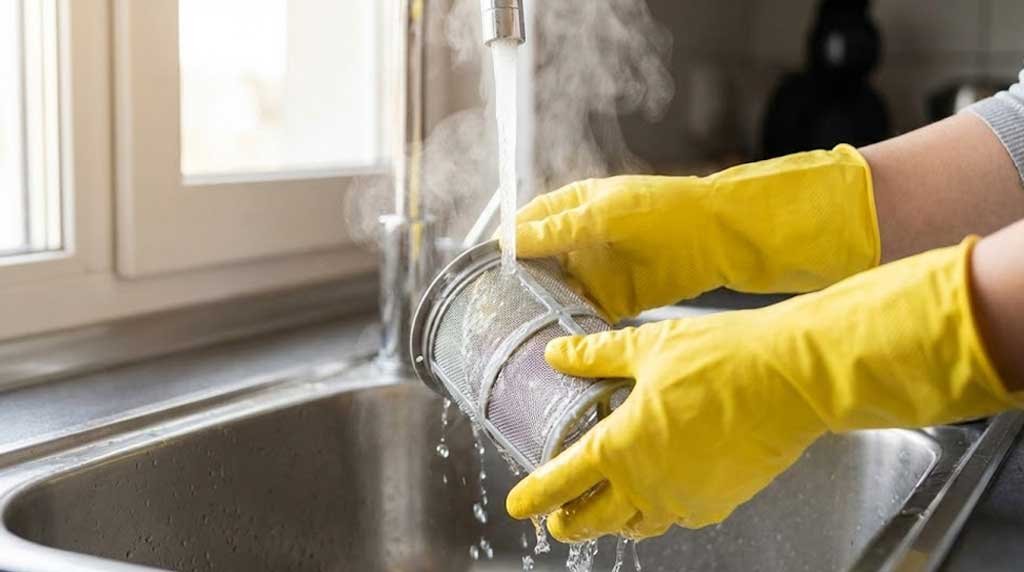
If there’s one task you shouldn’t skip, it’s this. The filter is the frontline defense between food scraps and your dishwasher’s pump system. A clogged or dirty filter doesn’t just reduce cleaning performance — it can also cause odors, standing water, and even damage over time.
Why the Filter Matters
Modern dishwashers rely on a fine mesh filter system to trap leftover food particles during each wash. Without regular cleaning, those particles build up, recirculate during the rinse cycle, and end up back on your dishes. Worse, it can strain the pump and shorten the life of your unit.
How Often Should You Clean It?
For most households, once every 2–4 weeks is enough. If you run your dishwasher daily or often load it with heavily soiled dishes, you may want to clean it weekly.
Pro tip: If your dishwasher smells or your glasses come out foggy — clean the filter first.
Step-by-Step: Cleaning the Filter the Right Way
You don’t need any tools for this, and the whole process takes under 5 minutes.
- Turn off the dishwasher. Wait until the interior is cool.
- Remove the bottom rack to access the filter (usually in the back corner or center).
- Twist and lift out the cylindrical filter. Some models also have a flat mesh screen underneath.
- Rinse under warm water. Use a soft toothbrush or sponge to gently scrub off debris.
- Avoid harsh cleaners. Mild dish soap is enough — never use bleach or metal tools.
- Dry and reinsert. Make sure it locks back into place securely.
🧼 Bonus Tip:
If you’ve never cleaned the filter before, brace yourself — it might be nastier than you think. But trust us: your nose and your dishes will thank you.
2. Check and Clean the Spray Arms
If your dishes are coming out with crusty spots or missed areas, don’t blame the detergent just yet — your spray arms might be clogged or blocked. These spinning arms are responsible for blasting water across your dishes, and even a few food bits or mineral deposits can disrupt that spray pattern.
What Clogs Them and Why It Matters
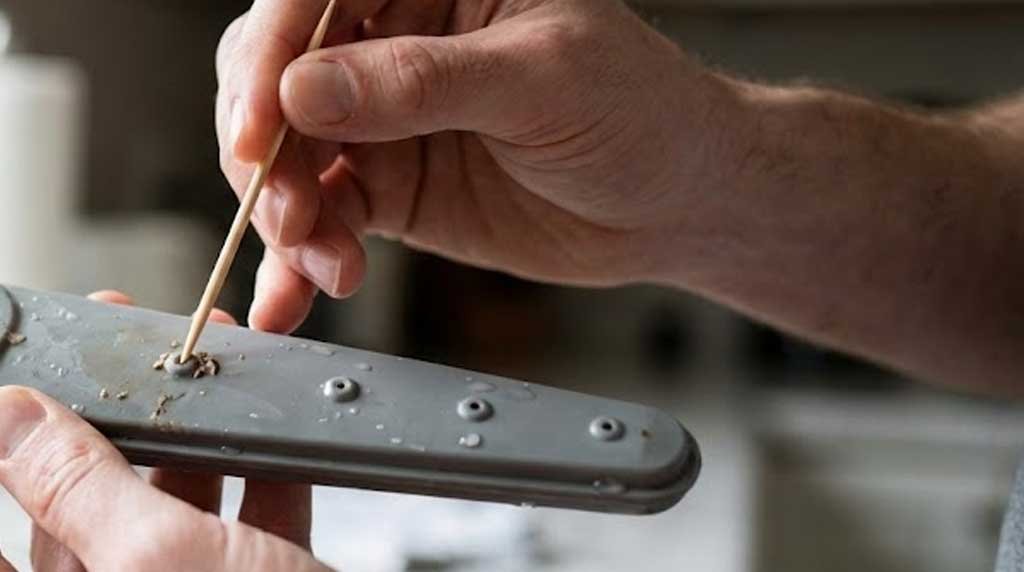
Over time, small particles — like rice, seeds, eggshell fragments, or even hard water minerals — can wedge into the tiny spray holes. When that happens, water pressure drops and coverage becomes uneven. That’s when you start seeing half-clean plates and still-dirty corners of your cutlery tray.
If you live in a hard water area (which includes large parts of the US), this step becomes even more important. You can read more about dealing with hard water residue in our guide: 👉 The Right Salt for My Dishwasher: Complete 2025 Guide
Quick Guide: How to Remove and Clean Spray Arms
Most dishwasher spray arms snap or screw off easily. You’ll usually find one under the bottom rack and one under the top rack. Here’s how to clean them:
- Remove both racks to access the spray arms.
- Unscrew or unlock each arm. Refer to your user manual if unsure.
- Run warm water through the arms to check if any jets are blocked.
- Use a toothpick or soft brush to gently clear any debris from the holes.
- Soak in white vinegar for 15–20 minutes to dissolve mineral buildup.
- Rinse, dry, and reinstall. Make sure they spin freely.
🧠 Pro Tip:
If the arms don’t spin easily when you flick them, something’s still blocking them — or your water pressure isn’t strong enough. In that case, it may be worth checking your home’s water line or contacting a technician.
3. Wipe the Door Seals and Interior
If you’ve ever opened your dishwasher and been hit with a musty or sour smell — this part is for you. The interior of your dishwasher might look clean after a cycle, but bacteria, grease, and food residue can build up in hidden places — especially around the rubber door seals.
Preventing Mold, Smells, and Mineral Buildup
Door gaskets and the edges of the tub don’t get rinsed the same way as your dishes do. Left alone, they become a breeding ground for mildew and unpleasant odors. This is one of the top reasons people ask, “Why does my dishwasher smell bad?”

To prevent this:
- Wipe down the door seals, edges, and detergent drawer weekly.
- Use a microfiber cloth and a mix of white vinegar and warm water.
- Avoid bleach — it can damage rubber seals and stainless steel.
–> Want a deeper dive into this topic? Check out our full guide: 👉 How to Clean My Dishwasher
Best Tools and Cleaners to Use
- Microfiber cloths or soft sponges (no abrasives)
- Vinegar and baking soda for natural cleaning
- Dishwasher-safe wipes for quick weekly upkeep
- Optional: Use dishwasher cleaner tablets monthly (see next section)
🧼 Quick Tip:
Leave the dishwasher door slightly ajar after cycles to let moisture evaporate. It helps prevent mold and prolongs gasket life.
4. Use the Right Detergent — and Don’t Overdo It
When it comes to detergent, more doesn’t mean cleaner. In fact, using too much detergent is one of the most common causes of poor dishwasher performance — leading to cloudy glassware, soap residue, and even clogged components.
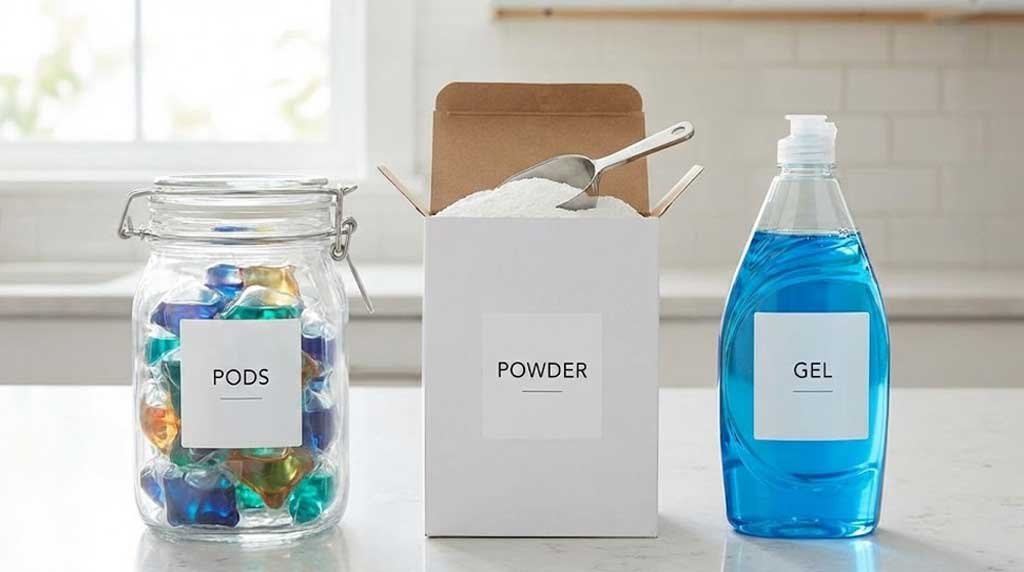
Powder vs. Pods vs. Gel
Each type has pros and cons:
| Type | Pros | Cons |
|---|---|---|
| Pods | Easy to use, pre-measured | Expensive, less flexible dosing |
| Powder | Cheap, customizable amount | Easy to overuse, can clump |
| Gel | Good for light loads | Less effective on heavy grime |
Most modern dishwashers work best with high-quality pods (like Finish Quantum or Cascade Platinum), especially when combined with rinse aid.
🛒 Recommended: Check Best-Selling Detergent Pods on Amazon →
How Much Is Too Much?
More detergent can cause:
- Soap scum and cloudy dishes
- Residue buildup in the filter and pump
- Excess suds = poor drainage
Stick to the manufacturer’s recommendation. If you have soft water, you’ll likely need even less detergent.
–>Curious about rinse aids and whether they’re necessary? Read: 👉 The Right Rinse Aid for My Dishwasher
💡 Alex Says:
“If your dishwasher looks clean but smells weird — it’s probably detergent buildup. Less is more when it comes to soap.”
5. Run a Monthly Maintenance Cycle
Even if you’re cleaning the filter and wiping the door seals, grime still finds its way into the hidden parts of your dishwasher — especially the spray arm channels, pump, and drain lines. That’s where a monthly maintenance cycle comes in.
What It Is and Why It Works
A maintenance cycle is a special wash you run with no dishes inside, designed to clean the interior parts you can’t reach manually. It removes:
- Grease and detergent buildup
- Hard water scale
- Odors from organic residue
Most modern dishwashers have a self-clean or machine care cycle — check your manual. If yours doesn’t, just run the hottest, longest cycle with a cleaner inside.
Best Products for Cleaning Cycles
Here are a few cleaners that consistently perform well in our tests:
| Product | Description |
|---|---|
| Affresh Dishwasher Cleaner | Tablets that break down limescale and food buildup |
| Finish Dual Action Cleaner | Combines degreaser and descaler |
| Glisten Dishwasher Magic | Liquid cleaner that targets hidden buildup |
🛒 Check Prices on Amazon: – Shop Dishwasher Cleaners →
Natural Alternatives: Vinegar + Baking Soda?
If you prefer natural methods:
- Place a bowl of white vinegar on the top rack (no dishes).
- Run a hot cycle.
- Then sprinkle baking soda on the floor of the tub and run a short rinse cycle.
While this works for light cleaning, it’s not as effective for deep buildup — especially in hard water areas.
🧪 Pro Tip:
If you see white film or feel greasy residue after cycles, your dishwasher is overdue for a cleaning run.
6. Inspect and Unclog the Drain
A slow or smelly dishwasher often points to a clogged drain. Bits of food, paper labels, or even broken glass can block the flow of water at the base of the tub.
Why Drains Get Blocked
Even with a filter in place, small debris slips through — especially if dishes aren’t scraped before loading. Over time, these particles collect near the drain pump area and restrict flow.
You’ll notice:
- Standing water at the bottom
- A sour or musty smell
- Gurgling or unusual draining noises
What to Do Before Calling a Plumber
Here’s a quick DIY process to check for blockages:
- Turn off the power to the dishwasher (safety first).
- Remove the bottom rack and unscrew the filter.
- Shine a flashlight around the drain area.
- Use gloves to remove any debris, food gunk, or labels.
- Wipe the area clean with paper towels or a sponge.
If it’s badly clogged, you can use a turkey baster to flush hot water down the drain opening — or even a small flexible cleaning brush.
–> If the problem persists, it may be time to consult our guide: 👉 When Should I Replace My Dishwasher?
Heads Up:
Never pour harsh drain cleaners into your dishwasher — they can damage internal components and void your warranty.
7. Keep the Exterior Clean and Rust-Free
A spotless interior won’t matter much if the outside of your dishwasher is stained, streaked, or — worst case — starting to rust. Fortunately, a little attention once a week keeps it looking brand new.
Best Practices for Stainless Steel Surfaces
Most modern dishwashers have a stainless steel front, and while it’s durable, it’s also a magnet for fingerprints, water spots, and smudges.
Here’s how to clean it the right way:
- Use a soft microfiber cloth (never abrasive pads)
- Apply a non-abrasive stainless steel cleaner or a mix of water and mild dish soap
- Always wipe in the direction of the grain
- Dry with a separate clean towel to prevent watermarks
🛒 Recommended Cleaner: Weiman Stainless Steel Spray on Amazon →
What NOT to Use
- No bleach
- No ammonia-based glass cleaners
- No steel wool or rough sponges
📌 For panel-ready dishwashers with custom cabinet fronts, just use a damp cloth and wood-safe cleaner.
🧼 Quick Tip:
Add the exterior wipe-down to your weekly kitchen reset — it keeps your space looking sharp and helps you spot leaks or door seal wear early.
8. Don’t Ignore the Noise — It’s a Clue
Dishwashers are getting quieter every year — some models run at just 42–46 dBA, which is practically a whisper. That’s why when you suddenly hear rattling, gurgling, or grinding, it’s time to listen.
Normal vs. Problematic Sounds
Here’s a quick comparison:
| Sound | Normal? | Possible Cause |
|---|---|---|
| Gentle swishing | ✅ Yes | Water spray |
| Low hum | ✅ Yes | Pump motor running |
| Loud grinding | ❌ No | Debris in pump or worn part |
| Thumping | ❌ No | Spray arm hitting dish |
| Gurgling or hissing | ⚠️ Maybe | Drain issues or inlet valve noise |
If the sound is new, recurring, or getting louder — it’s worth investigating.
🎧 Want to understand more about quiet dishwashers?
👉 Read: Noise Levels (dBA): How Quiet Is Quiet Enough?
When to Investigate or Call for Service
- If you hear grinding near the drain area, clean the filter and inspect the sump.
- If spray arms are hitting items, reposition your load or remove oversized dishes.
- If noise persists after cleaning, contact the manufacturer or a certified repair tech.
🧠 Alex’s Take:
“Think of noise like your dishwasher’s heartbeat. If it skips or races, it’s trying to tell you something.”
✅ Final Checklist: Dishwasher Maintenance at a Glance
Here’s a quick summary of what to do — and how often — to keep your dishwasher running at its best:
| Task | Frequency |
|---|---|
| Clean the filter | Every 2–4 weeks |
| Inspect spray arms | Monthly |
| Wipe door seals & interior | Weekly |
| Use correct detergent (not too much) | Every cycle |
| Run maintenance cycle (with cleaner tab) | Monthly |
| Inspect and clear drain | Every 1–2 months |
| Clean exterior (stainless steel or panel) | Weekly |
| Listen for unusual sounds | Ongoing |
🖨️ Want to print this list?
Download our Dishwasher Maintenance Checklist (PDF) [Coming soon]
❓ FAQ: Dishwasher Maintenance – People Also Ask
How often should I clean my dishwasher?
For most households, clean the filter and wipe the interior every 2 to 4 weeks. A deep clean with a maintenance cycle should be done monthly.
Can I use vinegar to clean my dishwasher?
Yes — white vinegar is safe and effective for natural cleaning. Just place a bowl of it on the top rack and run a hot cycle. Avoid using it too often if your machine has rubber seals, as prolonged exposure may weaken them.
What happens if I never clean the filter?
A clogged filter can cause:
- Poor cleaning results
- Cloudy glasses and dirty dishes
- Foul odors
- Potential pump damage over time
Why does my dishwasher smell bad?
Bad smells are usually caused by:
- A dirty filter
- Food buildup in the drain
- Mold/mildew around door seals
Check out our full guide:
👉 How to Clean My Dishwasher
Need a New Dishwasher?
Even the best maintenance can’t save a dishwasher past its prime. If your model is over 10 years old, noisy, or leaking, it might be time to upgrade.
👉 Check our expert picks:
Best Dishwashers for 2026 | Buying Guide