




Choosing the best baby bottles for newborns can feel surprisingly emotional. Feeding is one of the very first ways you connect with your baby, and when gas, fussiness, or colic enter the picture, it’s completely normal to pause and wonder whether you’re making the right choice.
Those early weeks are a learning curve for everyone. Thankfully, baby bottles in 2026 are safer, more thoughtfully designed, and better tested than ever before—especially when it comes to anti-colic systems and gentle, newborn-friendly flow. Today’s options are built to support both comfort and safety, helping feeding time feel calmer and more predictable.
In this guide, we focus on what truly matters during the newborn stage.
Safe materials, gentle milk flow, and bottle designs that help reduce swallowed air.
Every bottle featured here is widely available in the U.S. and meets current newborn feeding safety expectations.
For daily care, the Centers for Disease Control and Prevention offers clear guidance on how to safely clean and sanitize baby bottles during the first months.
This guide also fits naturally alongside our best baby gear for new parents, where we walk through the essentials step by step—so you can build a feeding setup that feels supportive rather than overwhelming.
Think of this as a gentle, practical walk-through—not a sales pitch. We’ll help you understand which bottles tend to work best for newborns, which features can make feeding more comfortable, and how to choose with confidence based on your baby’s cues, not marketing noise.
Quick Picks — Best Baby Bottles for Newborns (2026)
If you’re short on time or just want a clear starting point, these are our top baby bottle picks for newborns in 2026, chosen for safety, anti-colic performance, ease of use, and real parent feedback.
Each pick serves a slightly different need—because no two babies (or feeding journeys) are exactly the same.
Best Overall Baby Bottle
Dr. Brown’s Anti-Colic Options+
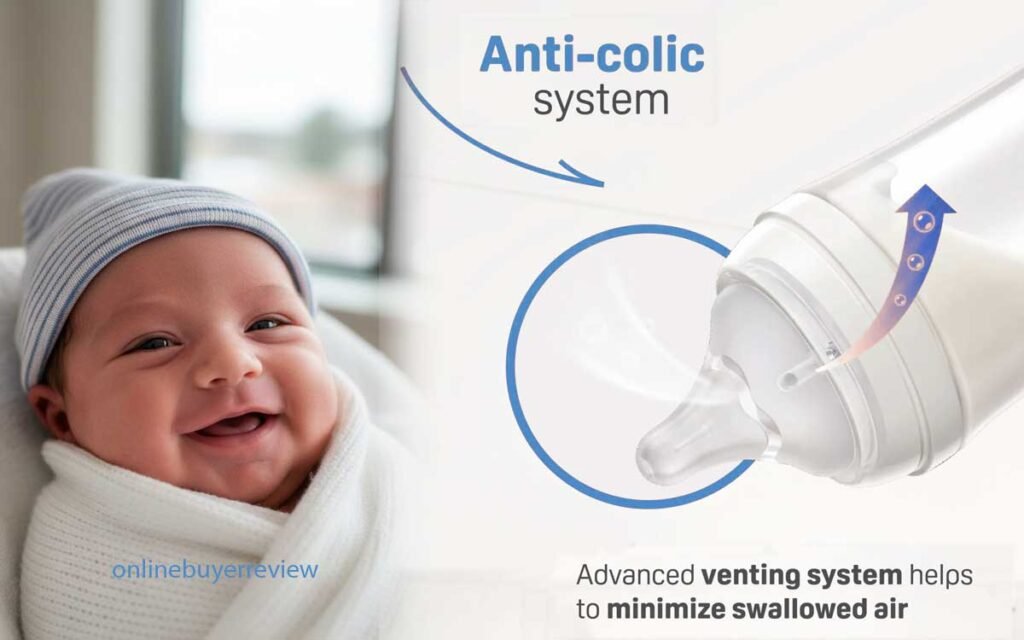
A long-time favorite among pediatricians and parents alike, this bottle is especially known for its internal vent system that helps reduce air intake during feeds.
Why parents trust it:
- strong anti-colic design
- consistent newborn nipple flow
- widely recommended and easy to find
Best for:
Families dealing with gas, spit-up, or colic symptoms during the newborn stage.
Best Anti-Colic Baby Bottle
Philips Avent Natural Response
Designed to mimic the natural pace of breastfeeding, this bottle releases milk only when your baby actively sucks—helping reduce overfeeding and swallowed air.
Why parents love it:
- responsive nipple design
- fewer leaks during feeding
- smooth transition between breast and bottle
Best for:
Newborns who are breastfed or combo-fed.
Best Bottle for Breastfed Babies
Lansinoh NaturalWave Baby Bottle
This bottle is designed specifically to support a baby’s natural sucking pattern, making it easier to switch between nursing and bottle-feeding.
Why parents appreciate it:
- soft, flexible nipple
- supports latch and tongue movement
- gentle flow for newborns
Best for:
Babies who primarily breastfeed but need occasional bottle feeds.
Best Silicone Baby Bottle
Comotomo Baby Bottle
Made from soft, squeezable silicone, this bottle feels different from traditional plastic—and some babies respond especially well to that texture.
Why parents love it:
- soft, skin-like feel
- wide neck for easy cleaning
- minimal parts
Best for:
Parents who prefer simple design and soft materials.
Best Glass Baby Bottle
Philips Avent Glass Natural Bottle
For parents who prefer to avoid plastic altogether, glass bottles offer peace of mind without sacrificing performance.
Why parents choose it:
- durable, heat-resistant glass
- easy to sterilize
- clean taste, no odor retention
Best for:
Families prioritizing material purity and longevity.
Best Budget Baby Bottle
Evenflo Balance+ Bottles
An affordable option that still focuses on healthy feeding mechanics and newborn comfort.
Why parents like it:
- gentle nipple shape
- affordable multi-packs
- reliable newborn flow
Best for:
Parents looking for a budget-friendly, newborn-safe bottle.
How We Chose the Best Baby Bottles (Our 2026 Methodology)
For this guide, we didn’t just look at popularity—we focused on what actually supports safe, comfortable feeding for newborns.
Our evaluation process is designed to reflect real-life parenting, not lab-only testing.
We also checked current U.S. Consumer Product Safety Commission guidelines and recall data to ensure all products meet current safety expectations.
Safety & Materials First
Every bottle included here is:
- BPA-free and phthalate-free
- designed for newborn use
- widely available from trusted U.S. retailers
We paid close attention to materials that are safe for frequent heating, washing, and sterilizing—because newborn bottles get a lot of daily use.
Newborn Flow & Feeding Comfort
Flow rate matters more than many parents realize. Bottles with too-fast flow can cause coughing, gas, or discomfort.
We evaluated:
- slow-flow nipple consistency
- milk release control
- how well the bottle supports paced feeding
Newborn-friendly bottles should work with your baby—not rush them.
Anti-Colic Design & Venting Systems
Not all “anti-colic” labels mean the same thing. We looked at how each system actually reduces air intake, including:
- internal vents
- nipple shape and flexibility
- bottle angle and milk flow behavior
While no bottle can eliminate colic entirely, thoughtful design can help reduce common feeding discomforts.
Ease of Cleaning & Daily Use
New parents are tired. Bottles that are frustrating to clean don’t last long in real homes.
We favored designs that:
- disassemble easily
- are dishwasher-safe
- don’t trap milk residue
Real Parent Feedback & Long-Term Use
Finally, we reviewed long-term parent experiences—not just first impressions. Patterns around leaks, durability, and newborn acceptance played a big role in our final selections.
A Gentle Note
No bottle is perfect for every baby. What matters most is choosing a safe, gentle starting point and watching how your baby responds. You can always adjust as you learn more—most parents do.
Anti-Colic Baby Bottles Explained (Do They Really Help?)
If you’ve heard the word colic more times than you can count, you’re not alone. Many parents hope that the right bottle will magically fix gas and fussiness. The truth is gentler—and more realistic.
Anti-colic bottles can help, but they’re not a cure-all. Understanding what they do (and what they don’t) makes choosing much easier.
What Causes Gas and Fussiness in Newborns
During feeds, babies can swallow air—especially if milk flows too quickly or the latch isn’t steady. That trapped air can lead to:
- gas and bloating
- spit-up
- discomfort during or after feeds
This is common in the early weeks while babies are still learning how to feed efficiently.
How Anti-Colic Systems Work
Anti-colic bottles are designed to reduce air intake, usually through:
- internal vent systems that separate air from milk
- nipples that release milk only when baby actively sucks
- designs that encourage a slower, more controlled flow
When less air goes in, there’s often less discomfort afterward.
What Anti-Colic Bottles Can’t Do
It’s important to set gentle expectations. Anti-colic bottles:
- won’t eliminate all crying
- won’t “fix” medical reflux
- won’t replace feeding cues or burping
They’re simply one supportive tool—often a helpful one—within a bigger feeding routine.
Bottle Materials — Plastic vs Glass vs Silicone
Choosing a bottle material can feel overwhelming, especially with so many opinions online. The good news? All three main materials can be safe for newborns when properly made and used.
Here’s how they compare in everyday life.
Plastic Baby Bottles
Modern plastic bottles are lightweight and durable—and today’s options are BPA-free by default.
Pros:
- lightweight and easy to handle
- less likely to break
- usually the most affordable
Cons:
- may retain odors over time
- need replacing sooner with heavy use
Plastic bottles work well for daily feeding and travel, especially in the newborn stage.
Glass Baby Bottles
Glass bottles appeal to parents who want minimal material exposure and long-term durability.
Pros:
- doesn’t absorb odors or stains
- easy to sterilize
- long lifespan
Cons:
- heavier
- can break if dropped
Many families use glass bottles at home and keep plastic ones for outings.
Silicone Baby Bottles
Silicone bottles are soft and flexible, which some babies find comforting.
Pros:
- soft, skin-like feel
- lightweight
- naturally BPA-free
Cons:
- fewer brand options
- can be more expensive
They’re a great choice for parents who value simplicity and easy squeezing during feeds.
Which Material Is Safest for Newborns?
Safety comes down to design and certification, not just material. As long as bottles are BPA-free and made by reputable brands, all three materials can be safe options for newborns.
Choosing the Right Nipple Flow for Newborns
Nipple flow rate is one of the most overlooked—and most important—parts of bottle feeding. For newborns, slower is almost always better.
What “Slow Flow” Really Means
A slow-flow nipple:
- releases milk gradually
- supports paced feeding
- helps babies coordinate sucking, swallowing, and breathing
This can reduce coughing, choking, and gulping during feeds.
Signs the Flow Is Too Fast
Your baby may be telling you the flow is too quick if you notice:
- frequent coughing or gagging
- milk leaking from the mouth
- increased fussiness during feeds
- excessive spit-up afterward
If this happens, switching to a slower nipple can make a noticeable difference.
When (and When Not) to Size Up
Many bottles suggest sizing up nipples by age, but babies don’t always follow those timelines.
A good rule of thumb:
- stay with slow-flow nipples as long as feeds are calm and comfortable
- size up only if your baby seems frustrated by the flow—not because of age alone
Let your baby’s cues guide you more than the packaging.
Gentle Reminder
Feeding doesn’t need to be perfect to be successful. Small adjustments—like changing a nipple flow or bottle style—can make feeding feel calmer for both you and your baby.
Cleaning, Sterilizing & Dishwasher Safety
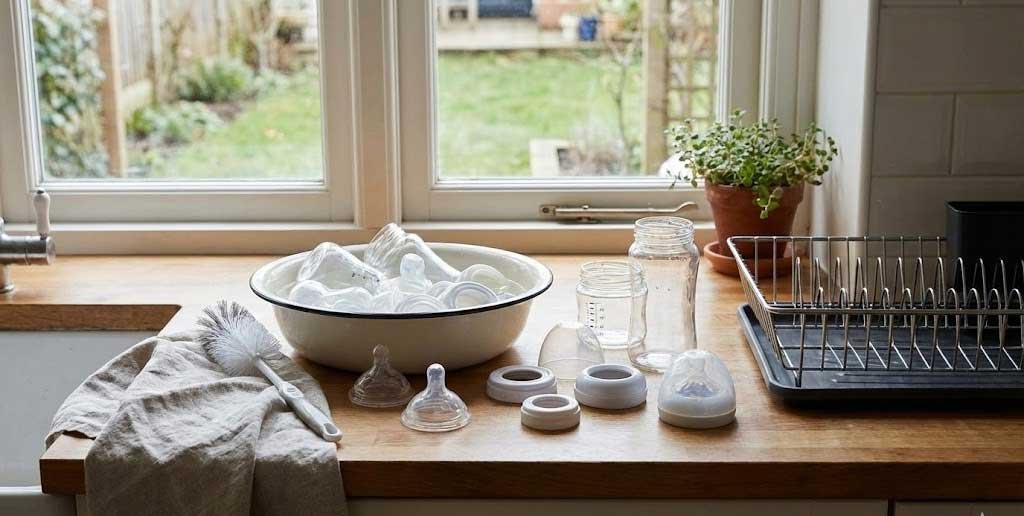
When you’re feeding a newborn, bottles quickly become part of your daily rhythm. That’s why easy cleaning and safe sterilization matter just as much as the bottle itself.
The goal isn’t perfection—it’s consistency and peace of mind.
How Often Should You Sterilize Baby Bottles?
For newborns, most pediatric guidance recommends:
- sterilizing bottles before first use
- continuing regular sterilization during the first few months, especially if your baby was born prematurely or has a sensitive immune system
After that, thorough washing with hot water and soap is usually enough for everyday use.
Dishwasher-Safe Bottles: What to Know
Many baby bottles today are dishwasher-safe, but a few simple tips help them last longer:
- place bottles on the top rack
- separate nipples and small parts
- avoid high-heat drying cycles when possible
If you rely on the dishwasher often, choosing bottles designed for repeated heat exposure can make daily life easier.
(Internal link opportunity: Best Dishwasher for Baby Bottles)
Do You Really Need a Sterilizer?
Bottle sterilizers aren’t mandatory—but they can be helpful, especially in the early weeks when time and energy are limited.
Parents often appreciate sterilizers because they:
- reduce manual scrubbing
- provide consistent results
- simplify nighttime routines
Think of sterilizers as a convenience tool, not a requirement.
Common Bottle-Feeding Mistakes (and How to Avoid Them)
Even with the best baby bottles, small habits can affect feeding comfort. The good news? These are easy to adjust once you’re aware of them.
Using the Wrong Nipple Flow
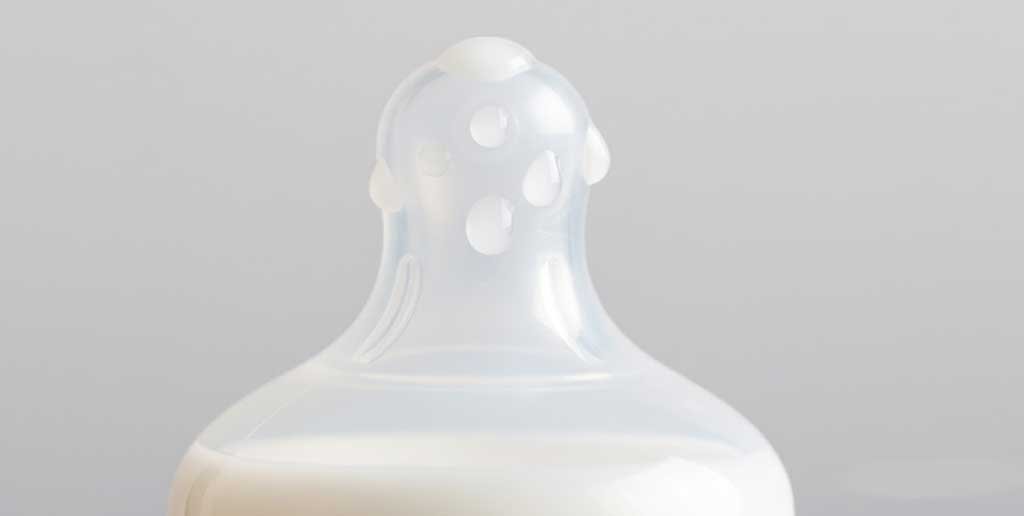
A nipple that’s too fast is one of the most common issues for newborns. Always start with slow-flow nipples and change only if your baby shows clear signs of readiness.
Over-Tightening the Bottle
Twisting the nipple ring too tightly can block airflow and increase swallowed air—undoing the benefits of anti-colic designs.
Switching Bottles Too Frequently
When feeding feels challenging, it’s tempting to switch bottles constantly. Try giving each option a few days before deciding whether it works for your baby.
Ignoring Baby Cues
Signs like pulling away, slowing down, or fussing are communication—not failure. Feeding should feel responsive, not rushed.
FAQs — Baby Bottles for Newborns (2026)
How many baby bottles do I need for a newborn?
Most families find that 6–8 bottles are enough for daily use, especially if you wash bottles once or twice a day.
Are anti-colic baby bottles worth it?
For many newborns, yes. Anti-colic bottles can help reduce swallowed air, which may ease gas and fussiness—especially in the early weeks.
Is glass safer than plastic baby bottles?
Both can be safe when bottles are BPA-free and well made. Glass offers durability and purity, while plastic is lighter and more travel-friendly.
Can newborns use regular baby bottles?
Newborns should always use bottles with slow-flow nipples designed specifically for early feeding.
How long can baby bottles be used?
Most bottles last several months, but nipples should be replaced regularly—especially if they show signs of wear or stretching.
Final Thoughts — Choosing Baby Bottles With Confidence
Choosing the best baby bottles for newborns doesn’t mean finding a perfect product—it means finding one that supports your baby and your routine.
Safe materials, gentle flow, and thoughtful design matter far more than trends or packaging. Once you have those basics covered, the rest becomes easier to navigate with time and experience.
If feeding feels calm and your baby is comfortable, you’re doing exactly what you should be doing. Trust that instinct. Adjust when needed. And remember—most parents refine their feeding setup as they go.
You might also find it helpful to explore our Newborn Essentials Checklist or our Best Baby Gear for New Parents guide as you build a routine that feels right for your family.
You’re doing a wonderful job—one feed at a time 🤍