




Running the dishwasher overnight is one of those habits that feels efficient—but also slightly uneasy. The house is quiet, everyone’s asleep, and an appliance is running unattended with water, heat, and electricity. So the question is fair and common: is it actually safe to run a dishwasher overnight, or is it a risk best avoided?
The short answer is: for most modern dishwashers in good condition, running them overnight is generally safe. But that answer comes with important conditions. Safety depends on the dishwasher’s age, installation quality, maintenance, and how it’s used. This guide breaks down what really matters so you can decide confidently for your own home.
Why Many People Run Dishwashers Overnight
There are practical reasons overnight cycles are popular. Electricity rates are often lower during off-peak hours, especially in parts of the U.S. with time-of-use pricing. Noise is less disruptive when the kitchen isn’t active, and dishes are ready to unload in the morning.
Modern dishwashers are also designed with long, low-energy cycles that run efficiently over time rather than aggressively in short bursts. From a performance and efficiency standpoint, overnight use makes sense.
The concern isn’t convenience—it’s what happens if something goes wrong while no one is watching.
How Safe Are Modern Dishwashers, Really?
Modern dishwashers are significantly safer than older models. Most units manufactured in the last decade include multiple built-in safety mechanisms:
- Automatic shutoff valves that stop water flow if a leak is detected
- Thermal protection to prevent overheating
- Sealed heating elements, reducing fire risk
- Error detection systems that stop cycles when something isn’t right
In normal operating conditions, these systems work quietly in the background. Statistically, serious incidents caused by dishwashers are rare, according to data from the U.S. Consumer Product Safety Commission; dishwasher-related hazards are among the least reported home appliance issues
That said, “safe by design” doesn’t mean “risk-free in every scenario.”
When Running a Dishwasher Overnight Is Generally Safe
You can feel comfortable running your dishwasher overnight if the following are true:
- The dishwasher is relatively new (roughly under 10–12 years old)
- It was properly installed, with correct plumbing and electrical connections
- The unit is well maintained (clean filter, no known leaks)
- You’re using manufacturer-recommended detergent
- There are no existing warning signs (burning smells, unusual noises, error codes)
In these conditions, overnight operation is considered normal use—not a risky shortcut. Keeping your dishwasher well maintained is key. Learn how to do it right in our Dishwasher Maintenance Guide.
Situations Where Overnight Use Is Riskier
There are cases where running a dishwasher unattended overnight isn’t the best idea.
Older or Poorly Maintained Units
Dishwashers that are well past their expected lifespan are more prone to hose failures, worn seals, or electrical issues. These problems don’t always announce themselves loudly.
Not sure if your machine is past its prime? Here’s how to tell when it’s time to replace your dishwasher.
Visible or Past Leaks
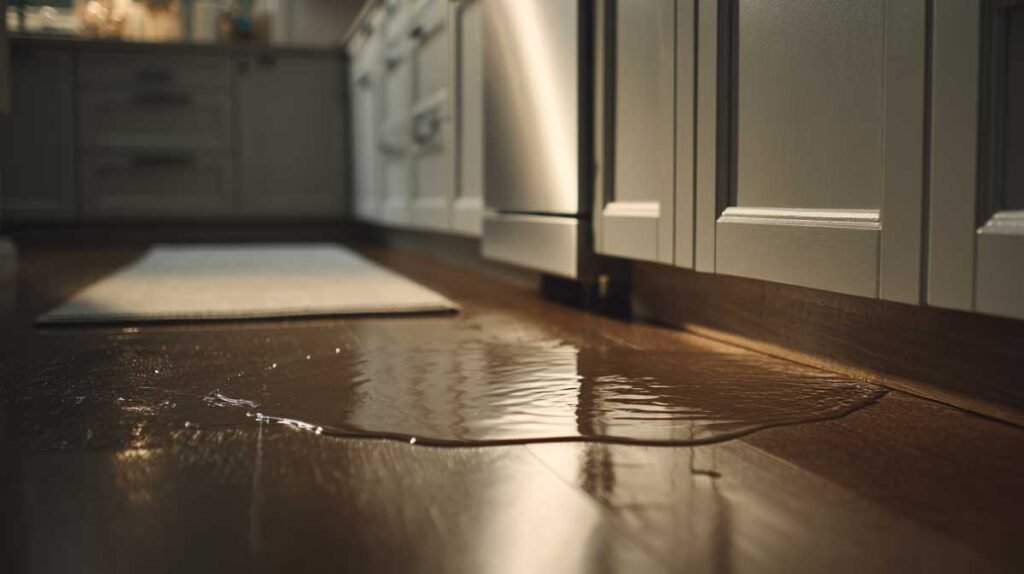
If you’ve noticed water pooling, damp cabinets, or unexplained moisture, running overnight increases the chance of waking up to water damage.
Improvised Installations
DIY installations without proper air gaps, drain loops, or electrical grounding introduce unnecessary risk. These setups may function fine during the day—but unattended operation magnifies the consequences of failure.
Fire Risk: How Real Is It?
Dishwasher-related fires are extremely uncommon, especially compared to appliances like clothes dryers. When they do occur, they’re usually linked to:
- Faulty wiring
- Defective control boards
- Improper repairs or modifications
Modern dishwashers use enclosed heating systems and temperature sensors designed to shut down before dangerous conditions develop. For a properly functioning unit, fire risk alone isn’t a strong reason to avoid overnight use.
Still, if your dishwasher has been repaired multiple times or shows electrical issues, caution is warranted.
Water Damage: The Bigger Concern
The more realistic risk with overnight dishwasher use is water damage, not fire. A failed hose or loose connection can release water continuously until someone notices—something that’s far more likely during waking hours.
This is why many homeowners who regularly run appliances overnight install leak detection devices or smart shutoff valves. These systems add a layer of protection, especially in homes with wood floors or kitchens above living spaces.
Does Using Eco or Delayed Cycles Change Safety?
Eco cycles and delayed start features don’t inherently make dishwashers more dangerous. In fact, eco cycles usually operate at lower temperatures and pressures, which can slightly reduce mechanical stress.
Delayed start simply shifts when the cycle begins—it doesn’t change how the dishwasher operates. The safety considerations remain the same: condition, installation, and maintenance matter far more than timing.
Practical Tips for Safer Overnight Use
If you plan to run your dishwasher while sleeping, these small steps can meaningfully reduce risk:
- Inspect hoses annually for cracks or bulges
- Clean the filter regularly to prevent overflow issues
- Avoid overloading, which strains pumps and seals
- Run the dishwasher before bed, not after leaving the house
- Leave the sink area clear, so leaks are visible
None of these require special tools—just basic awareness.
Should You Avoid Overnight Dishwasher Use Altogether?
For most modern households, there’s no need to avoid overnight use entirely. Millions of people do it daily without incident. The key is understanding that safety isn’t about the clock—it’s about the appliance’s condition.
If your dishwasher is newer, properly installed, and well maintained, running it overnight is a reasonable and common practice. If it’s older, unreliable, or showing warning signs, daytime use—or even an upgrade from our Dishwasher Buying Guide for 2025—makes more sense.

Final Verdict: Is It Safe to Run a Dishwasher Overnight?
Yes, it’s generally safe to run a dishwasher overnight—if the appliance is in good condition and properly installed.
Modern safety systems make serious incidents rare, but no appliance is completely risk-free. The biggest factor isn’t the time of day, but whether your dishwasher is maintained and functioning as intended.
If you’re ever unsure, trust your instincts. Unusual noises, leaks, or smells are signals worth paying attention to—day or night.
Dishwasher Overnight Safety FAQs
1) Is it safe to run a dishwasher overnight?
For most modern dishwashers in good condition, running overnight is generally safe. The main risk isn’t the time of day—it’s leaks, worn hoses, or an older unit with maintenance issues.
2) Is it safe to run a dishwasher while you sleep?
Yes, if the dishwasher is properly installed, maintained, and shows no warning signs like leaks, error codes, or unusual smells. If you’ve had drainage or leak issues, run it when you’re awake.
3) What’s the biggest risk of running a dishwasher overnight?
Water damage from a hose or seal failure is typically the biggest concern. Fire risk is much less common with modern dishwashers, but electrical problems should never be ignored.
4) Should I run the dishwasher overnight on an eco cycle?
Eco cycles are usually fine overnight. They tend to run longer but often at lower temps and pressures. Safety depends more on the condition of the unit than the cycle type.
5) Can I run the dishwasher overnight if I’m not home?
It’s better not to. Running a dishwasher unattended while you’re away increases the chance that a leak goes unnoticed for hours.
6) How can I make overnight dishwasher use safer?
Check hoses yearly, clean the filter regularly, avoid overloading, and consider a leak detector if your kitchen flooring is vulnerable to water damage.