



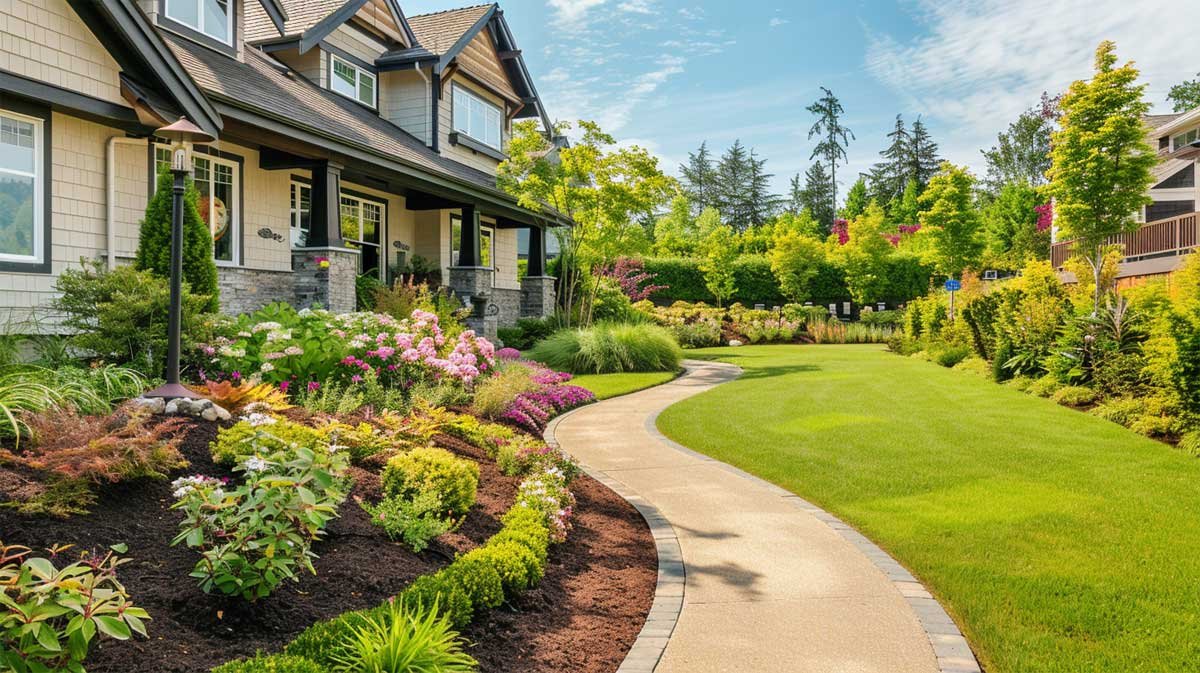
If you’ve ever pulled up to your house and thought, “This could look… better,” you’re definitely not alone. Front yards are tricky — they’re the first thing people see, yet they’re often the last thing we spend time improving. The good news? Landscaping your front yard doesn’t have to be expensive, complicated, or overwhelming.
Think of it as building a “welcome” message for your home. A few plants, a cleaner path, maybe some lighting — small changes that make your space feel intentional and well cared for. And trust me, you don’t need a professional landscaper to do it. With a little planning and a free weekend or two, you can give your home a fresh, polished look that boosts curb appeal instantly.
In this guide, I’ll walk you through the essentials: understanding your yard’s layout, choosing the right plants, and making small updates that create a big impact. Whether you’re starting from scratch or just refreshing what you already have, you’ll find plenty of ideas you can do yourself — on a real-world budget.
Understanding Layout Before Landscaping Your Front Yard
Before you jump into planting flowers or buying mulch, you need to understand what your yard is actually working with. This step sounds simple, but it’s the foundation of every great landscaping project. A little observation now saves you from dead plants, muddy walkways, or awkward designs later.
Assess the Sun, Shade, and Traffic Flow
Spend a day watching how sunlight moves across your yard.
- Does your front door get direct sun in the morning?
- Is one side always shaded because of a tree or roofline?
- Where do guests usually walk? Where do you walk every day?
Sun and traffic patterns decide everything — from which plants will thrive to where you should place pathways or borders.
💬 Mark’s note: “I once planted hydrangeas in what I thought was ‘partial shade.’ Turns out it was full sun at noon — they didn’t thank me for it.”
Take Simple Measurements and Make a Sketch
You don’t need fancy software. A notebook, a pencil, and a tape measure are enough.
Sketch the basics:
- driveway
- walkway
- porch
- any existing trees, slopes, or structures
This sketch becomes your roadmap. It helps you plan plant placement, avoid overcrowding, and see opportunities for symmetry or focal points. And don’t worry — it doesn’t need to be beautiful. Mine are usually scribbles, but they work perfectly.
Choosing the Right Plants When Landscaping Your Front Yard
Plants are the “face” of your landscaping — they set the tone, shape, color, and personality of your home’s exterior. Choosing the right ones makes your yard beautiful and easier to maintain. Pick the wrong ones, and you’ll be constantly battling overgrowth or replacing dead plants.
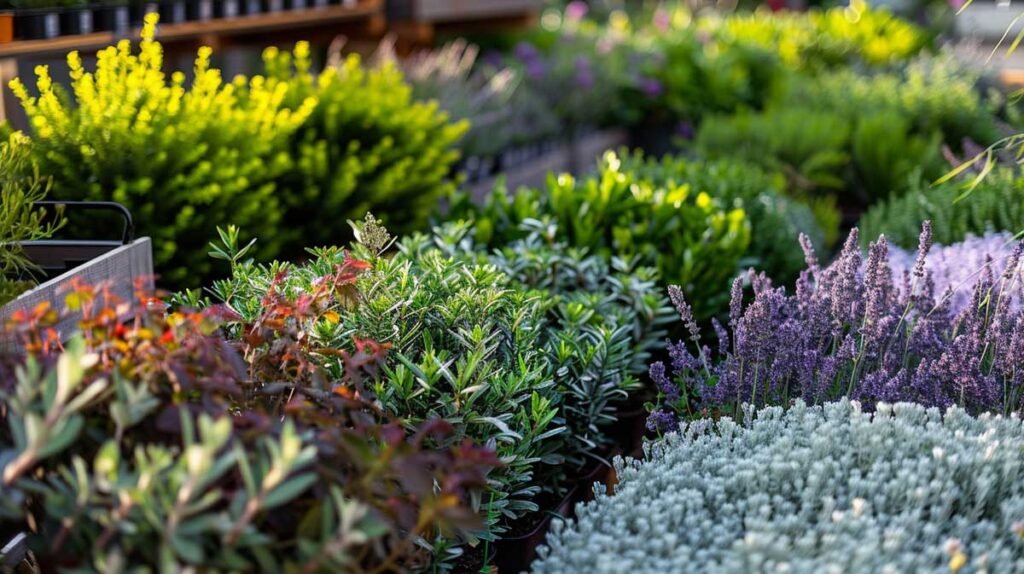
Here’s how to choose plants like a pro, even if you’re new to gardening:
Go for Low-Maintenance Plants (Especially in US Climate Zones)
Native or climate-adapted plants are your best friends. They require less water, less maintenance, and resist local pests naturally.
Some front-yard favorites include:
- Lavender (fragrant, hardy, great for borders)
- Boxwood shrubs (perfect for clean shapes and symmetry)
- Hydrangeas (big visual impact with little effort)
- Juniper and conifer varieties (year-round structure)
- Ornamental grasses (movement and texture without upkeep)
Choose plants that match your specific climate zone — this alone makes your yard look healthier for longer. When landscaping your front yard, the right plants can save you hours of maintenance each season.
Add Layers of Color and Texture
Great landscaping has depth. Combine plants with different heights, leaf shapes, and bloom times:
- tall shrubs in the back
- medium-sized perennials in the middle
- colorful low flowers or ground cover up front
This layered approach adds contrast and dimension without cluttering the space.
💬 Mark’s note: “I like to pick two main colors and one accent color — keeps the yard looking cohesive, not chaotic.”
Avoid These Common Planting Mistakes
- Planting too close to the house → roots get cramped, and plants grow into windows or gutters
- Overcrowding → looks nice at first, but quickly becomes a jungle
- Ignoring sun requirements → shade plants in sun = crispy leaves; sun plants in shade = no blooms
- Choosing plants that grow too large → always check mature size, not just how cute it looks in the pot
Choosing the right plants is half the battle — and once you master this part, the rest of your front yard design becomes much easier.
Budget-Friendly Ideas for Landscaping Your Front Yard
Landscaping your front yard doesn’t need to drain your wallet. You’d be surprised how many high-impact changes cost less than $50 — and still make your yard look polished and intentional. The trick is focusing on upgrades that give you the most visual “wow” for the smallest investment.

Here are a few budget-friendly ideas that consistently deliver great results:
1. Use Mulch to Instantly Clean Up Garden Beds
Fresh mulch is like a fresh coat of paint for your yard — it hides imperfections, enriches the soil, and makes everything look tidy and intentional.
Choose darker mulch for a modern look, lighter mulch for a natural, rustic vibe.
Cost: $10–$20 per bag
Mark’s tip: “I refresh my mulch every spring. It’s the cheapest way to make your yard look brand new overnight.”
2. Create Simple Garden Borders
Borders define your space and keep garden beds looking clean. And you don’t need fancy edging — reclaimed bricks, stones, or even wood scraps work beautifully.
Cost: Often free (if using leftover materials)
Time: 1–2 hours
3. Refresh Your Front Porch
Small touches like repainting the front door, replacing the doormat, or adding two symmetrical planters completely change the mood of your entryway.
Cost: $30–$60
Visual impact: Huge
4. Add Affordable Lighting
Solar lights are budget heroes. They require zero wiring, they’re energy-free, and they instantly elevate your curb appeal when the sun goes down.
Cost: $15–$40 for a set
5. Use Gravel for Driveway or Walkway Edges
Gravel is cheap, fast to install, and creates a clean visual separation between lawn and path. Add a few low plants, and suddenly your front yard looks curated.
💬 Mark’s note: “My gravel border project cost me about $35 — and it still looks professional years later.”
Hardscaping Basics – Pathways, Edging & Stones
Hardscaping isn’t just for professional landscapers. With a bit of patience and the right materials, you can add paths, borders, and stone features that look amazing — and last for years.
These additions create structure, guide foot traffic, and make your front yard feel more complete.
For climate-specific planting advice,
visit the USDA Plant Hardiness Zone Map.
For front yard safety guidelines, see EPA’s landscaping recommendations.
DIY Path Ideas That Are Actually Easy
A clean, well-placed path helps guests find your door and keeps shoes out of wet grass. Try one of these simple approaches:
- Stepping stones spaced over gravel
- Brick walkway using reclaimed bricks
- Crushed stone path with wood or metal edging
- Flagstone slabs for a natural, organic look
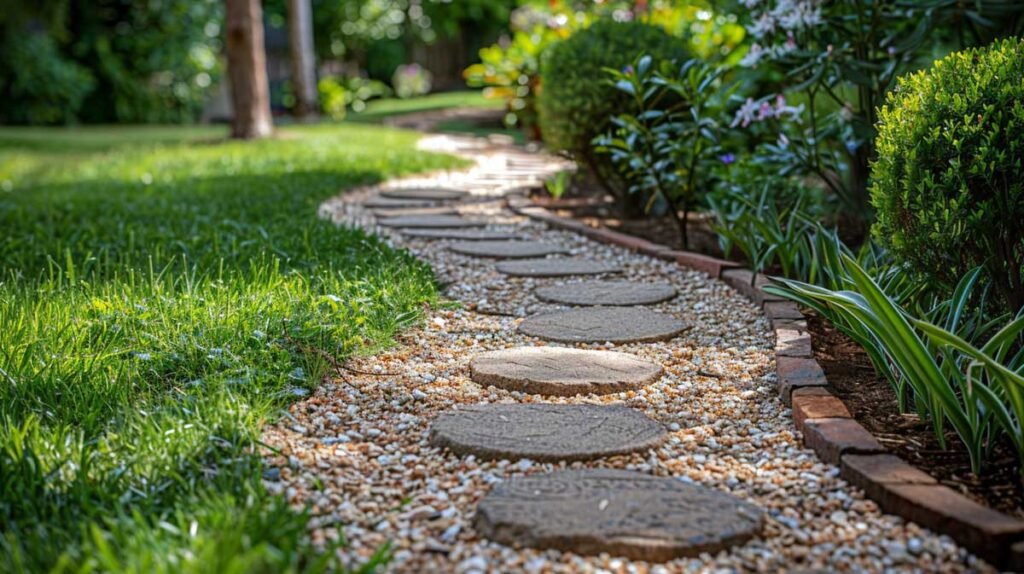
Pro tip: Lay landscape fabric beneath paths to prevent weeds — makes maintenance much easier.
Edging That Makes a Difference
Edging gives your front yard a sense of order. Options include:
- Natural stone
- Pressure-treated wood
- Metal landscape edging
- Plastic edging (cheap and surprisingly durable)
Choose a style that complements your home exterior.
Driveway Enhancements
Your driveway doesn’t have to be a plain slab of concrete. Add shrubs, small planters, or pathway lights along the edges to soften the look and create symmetry.
It’s a simple trick, but it pulls the entire front yard together.
💬 Mark’s note: “Two matching planters at the driveway entrance instantly made my front yard look more ‘designed’ — without any heavy work.”
Creating Curb Appeal with Simple Design Principles
Curb appeal isn’t about expensive landscaping — it’s about balance and intention. With the right layout, even a small or simple yard can look polished and welcoming.
Here are the design principles I rely on most when helping homeowners refresh their front yards:
1. Balance & Symmetry
Humans love symmetry — it feels stable and pleasing.
Try pairing elements:
- two matching planters
- shrubs on opposite sides of a walkway
- lights spaced evenly
Symmetry doesn’t mean “perfectly identical,” just balanced.
2. Create a Focal Point
A focal point gives the eye somewhere to land. This could be:
- a flowering tree
- a bold planter
- decorative house numbers
- a bench or small seating area
- a sculptural bush or topiary
Choose one main element and design around it.
3. Build a Cohesive Color Palette
Your yard should complement your home’s exterior.
For example:
- Gray house → purples, whites, and deep greens
- Beige house → pinks, pastels, and warm greens
- Red brick → whites, blues, and lush greenery
Stick to two main colors + one accent for a clean, intentional look.
4. Play with Height and Layers
Landscaping looks best when it has depth. Combine:
- tall shrubs in the back
- mid-height perennials in the middle
- low flowers or ground cover in front
This layered approach avoids that “flat” look and brings life to the space.
💬 Mark’s note: “The moment I added symmetry to my own entryway — two tall planters flanking the steps — the entire front yard suddenly felt put together.”
Easy Weekend Projects to Transform Your Front Yard
You don’t need a full renovation to make your front yard shine. A few small weekend projects can completely change the look and feel of your outdoor space — especially if you’re working with a tight budget. Here are some quick upgrades that deliver big results with minimal effort.
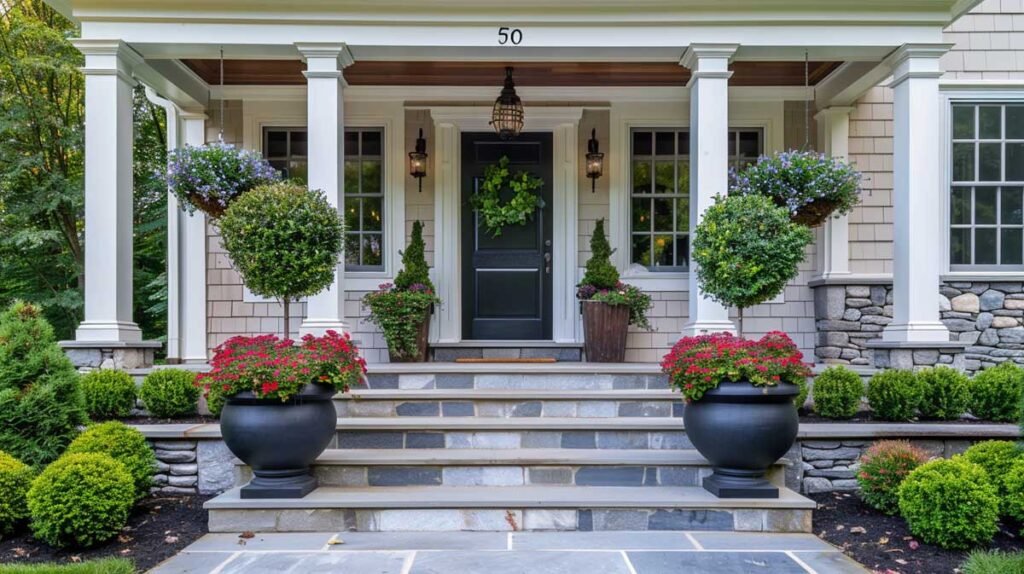
1. Paint Your Mailbox or Replace It Entirely
Mailboxes are underrated curb appeal boosters. A fresh coat of weatherproof paint or a modern replacement instantly updates your entryway.
Time: 1 hour
Cost: $15–$40
💬 Mark’s note: “My old mailbox went from rusty to eye-catching with one can of matte black spray paint.”
2. Add Solar Pathway Lights
Solar lights require zero wiring — just push them into the ground and let the sun do the rest. They make your walkway safer and create a warm, welcoming glow at night.
Time: 20 minutes
Cost: $20–$40
3. Build a Small Wooden Planter Box
A simple DIY planter box works great near the entryway, next to the driveway, or under a window. You can build one using reclaimed wood or leftover lumber.
Time: 1–2 hours
Cost: Under $30
4. Lay Fresh Mulch Around Trees and Beds
Mulch hides dry soil, controls weeds, and instantly makes your yard look more polished.
Time: 1 hour
Cost: $10–$20 per bag
5. Create a Stone Border or Edge
Outline garden beds with stones or bricks for a more organized, intentional look.
Time: 1–2 hours
Cost: Free to $25 depending on materials
💬 Mark’s tip: “Borders make even the simplest landscaping look ‘finished’ — one of the highest-impact, lowest-effort upgrades you can do.”
Front Yard Landscaping Mistakes to Avoid
Even the most enthusiastic DIY-er can slip into these common traps. Knowing what to avoid saves you time, money, and frustration later.
1. Planting Too Close to the House
It may look fine when plants are small, but shrubs grow — often a lot. Keep taller plants at least 2–3 feet away from walls to prevent mold, blocked windows, and overgrowth.
2. Choosing High-Maintenance Plants
Some plants look beautiful but require constant pruning, watering, or protection from pests. Stick to low-maintenance or native options unless you’re ready for extra work.
3. Ignoring Seasonal Changes
Landscaping isn’t just about how your yard looks in summer. Think year-round: evergreens add winter color, while perennials keep your yard alive without replanting.
4. Overcrowding Plants
Beginners often plant too much, too close. It looks full at first, but becomes messy fast. Always check the “mature size” on plant labels — future you will be grateful.
5. Neglecting the Walkway
A cluttered or cracked front walkway brings down curb appeal quickly. Keep it clean, edged, and free of overgrown plants.
💬 Mark’s note: “My first front yard was so crowded I couldn’t even mow properly. Spacing plants changed everything.”
Maintenance Tips to Keep Your Front Yard Looking Fresh
Great landscaping doesn’t end after planting — but maintenance doesn’t have to be hard. A simple routine keeps your yard looking sharp all year long.
1. Water Smart, Not More
Water deeply, less frequently. Morning is best — evenings can encourage mold.
If your budget allows, add a small drip irrigation kit for consistent watering.
2. Refresh Mulch Seasonally
A thin layer of fresh mulch in spring or fall revives your garden beds instantly.
3. Trim Regularly
Quick trims every 2–3 weeks keep shrubs from looking wild. Think tidy, not perfect.
4. Pull Weeds Early
Don’t wait until weeds spread. Removing them while small saves time and keeps your plants healthier.
5. Clean Pathways and Porch
Blow away leaves, hose down the walkway, shake out the doormat — small things that make the space look cared for.
💬 Mark’s tip: “Maintenance is less about time and more about consistency. Ten minutes a week goes a long way.”
Final Thoughts – A Front Yard That Feels Like Home
Landscaping your front yard doesn’t require a big budget or professional crew — it just takes a few weekends, a little planning, and a willingness to try new things.
With each small improvement, landscaping your front yard becomes less of a chore and more of a creative project you enjoy.
Every plant you choose, every stone you place, every light you add becomes part of your home’s personality. And the best part? You create something that greets you every day with a bit more beauty.
There’s no “perfect” front yard — only one that feels right to you. Start small, be patient, and enjoy watching your outdoor space come to life.
💬 Mark’s closing thought: “Beautiful front yards aren’t built in a day — they’re built in layers, with small decisions that add up to something you’re proud to come home to.”
❓ FAQ – Landscaping Your Front Yard (US Homeowners)
What is the cheapest way to landscape a front yard?
Mulch, gravel borders, solar lights, and low-maintenance plants. These upgrades cost little and have major visual impact.
Do I need a landscaper, or can I do it myself?
Most front yard projects are 100% DIY-friendly — especially pathways, borders, lighting, and planting.
What plants are best for easy, low-upkeep front yards?
Lavender, boxwood, ornamental grasses, hydrangeas, juniper, and native perennials.
How do I boost curb appeal quickly?
Fresh mulch, trimmed shrubs, two matching planters by the door, and clean walkways.
Ready to take your outdoor upkeep further? Learn how to protect and maintain your lawn tools with our guide:
How to Maintain Your Lawn Mower for Long-Term Performance