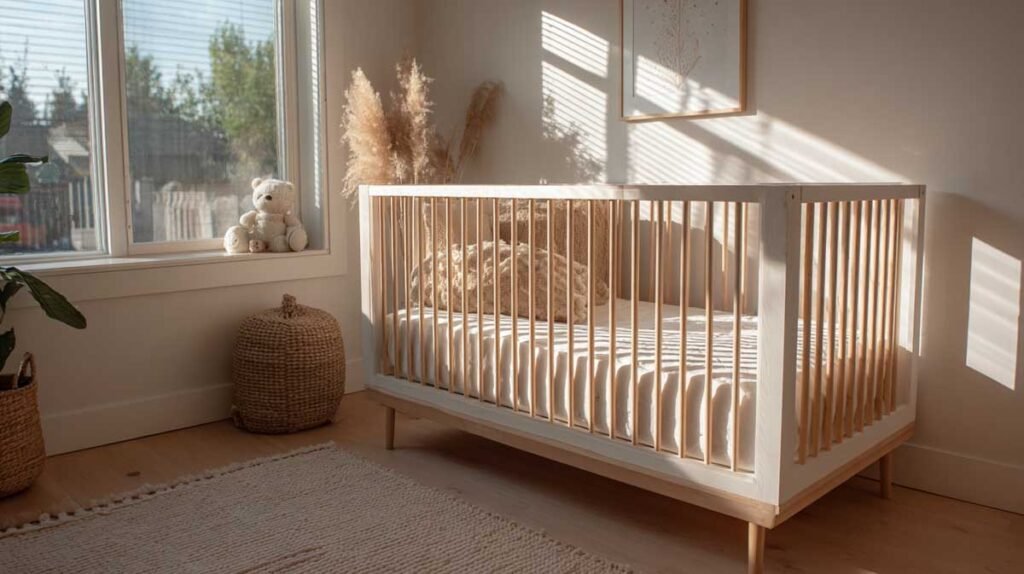



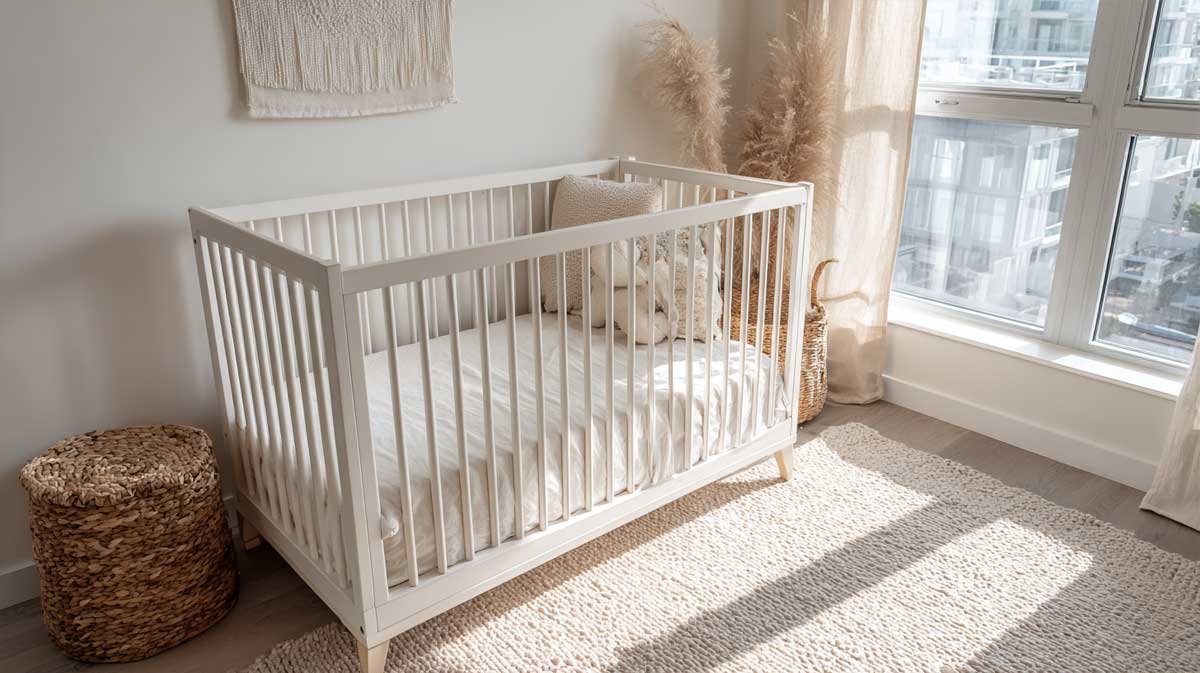
Understanding newborn safe sleep guidelines is one of the most important steps new parents can take to create a safer sleep environment from day one. This AAP-based newborn safe sleep guide is designed to walk you through everything gently, step by step, so you can feel confident and supported in your choices.
Safe sleep isn’t about complicated rules — it’s about a few clear principles that help your baby rest safely on every nap and overnight stretch. And when you understand these basics, everything else becomes easier: choosing the right crib, setting up the nursery, and even deciding on the best mattress or bassinet for your family’s routine.
If you’re still preparing your sleep space, you can explore parent-friendly guides like our
👉 Best Bassinets for Newborns – 2025 Buying Guide & Reviews.
Let’s walk through this together — calmly, clearly, and with your baby’s safety at heart.
1. What “Safe Sleep” Really Means (AAP Basics)
Safe sleep can sound intimidating at first, but the American Academy of Pediatrics (AAP) bases their recommendations on decades of research, all designed to keep your baby as protected as possible. That said, once you understand the core principles, everything becomes far less stressful — and far more manageable.
Here are the essentials, explained in a simple, parent-friendly way.
HThe AAP Sleep Position Rule: Back-to-Sleep, Every Time
The AAP recommends that all babies sleep on their backs for every nap and every overnight stretch.
This position helps keep airways open and reduces the risk of suffocation or rebreathing.
And don’t worry — babies adapt wonderfully to back-sleeping.
In fact, it’s the safest and most natural position for newborn sleep.
If you’re still setting up your crib or bassinet, you can explore safe sleep surfaces through our detailed guides:
👉 Best Baby Cribs for Newborns – 2025
Safe Sleep Surfaces: Cribs, Bassinets & Playards
Your baby should sleep on a firm, flat mattress inside a crib, bassinet, or federally approved playard.
Avoid sofas, adult beds, nursing pillows, loungers, or anything soft and sloped.
Room-Sharing vs Bed-Sharing
The AAP recommends room-sharing without bed-sharing for at least the first six months.
This means your baby sleeps in their own crib or bassinet, but in the same room with you.
Room-sharing helps you respond quickly during the night, supports feeding, and reduces the risk of sleep-related incidents.
However, sharing the same sleep surface — especially soft adult mattresses — increases risks, even when parents are nearby.
If you’re arranging your nursery or bedroom layout, this parent-friendly guide can help:
👉 Nursery Essentials Buying Guide (2025).
Safe Sleep Environment Setup (Step-by-Step)
A safe sleep environment doesn’t need to be fancy or expensive — just thoughtful and simple.
Most parents find that eliminating extra items, choosing the right mattress, and keeping sleep conditions consistent leads to calmer nights.
Here’s a gentle step-by-step breakdown.
Choose a Firm, Flat Mattress
A newborn needs a very firm mattress — firmer than what adults typically prefer.
Soft surfaces increase risks because newborns sink too easily into them.
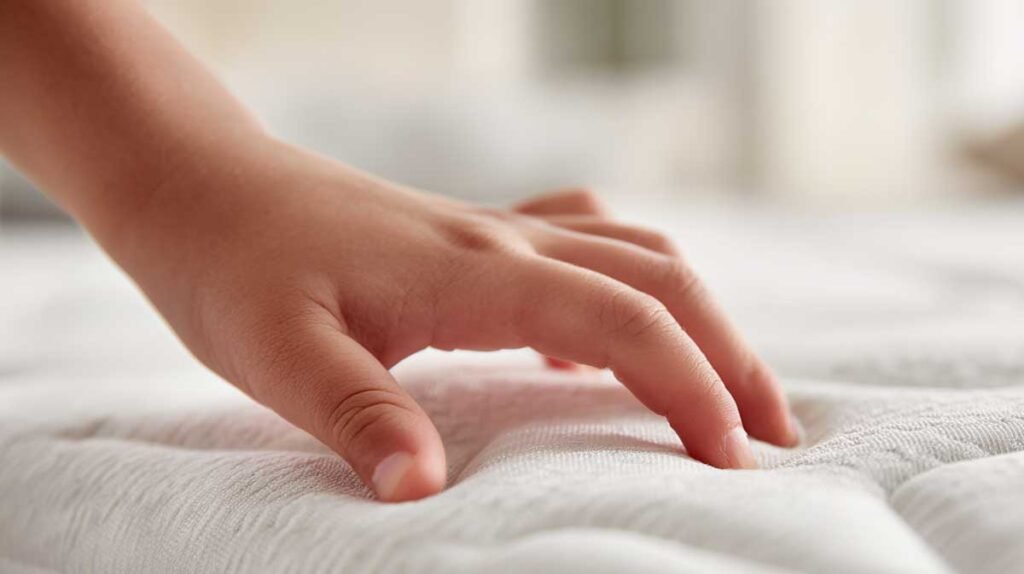
If you’re comparing options or want to make sure your mattress meets AAP standards, here’s a detailed guide:
👉 Best Crib Mattresses for Newborns – 2025.
Use Only a Snug, Fitted Sheet
Nothing else should go inside the sleep space — no blankets, no bumpers, no pillows, no toys.
In addition, sheets should fit tightly around the mattress with no loose edges.
Temperature & Overheating Prevention
Newborns sleep safest when they’re comfortably warm, not hot.
Signs of overheating include sweating, flushed cheeks, or a warm chest.
A good rule is simple:
If you feel hot in the room, your baby probably does too.
Wearable blankets or swaddles help regulate temperature more safely than loose blankets.
If you’re washing newborn bedding daily (which many families do), a baby-safe dishwasher guide can help keep bottles and accessories sterile:
👉 Best Dishwasher for Baby Bottles in 2025.
3. What NOT to Put in a Newborn Sleep Space
When you’re building a cozy nursery, it’s natural to want your baby’s sleep area to feel warm and inviting. However, the safest crib or bassinet is actually the simplest one. According to the AAP, anything beyond a firm mattress and a snug fitted sheet can increase risk — even items that seem harmless.
Let’s walk through what shouldn’t be in your newborn’s sleep space, and why.
No Pillows, Blankets, or Loose Bedding
Soft items may look comforting, but newborns can’t move their heads well enough to clear their airways if something presses against their face.
That’s why:
- no blankets
- no pillows
- no quilts
- no loose sheets
- no stuffed toys
Instead, a snug fitted sheet and a firm surface provide everything your baby needs.
For help choosing safe newborn bedding, you can explore parent-friendly options in our
👉 Nursery Essentials Buying Guide (2025).
No Crib Bumpers (Including Mesh Versions)
Bumpers have been marketed as safety products for years, but the AAP and CPSC now warn strongly against them.
Even breathable mesh bumpers increase risk, because they:
- reduce airflow
- add entrapment and suffocation hazards
- encourage babies to roll toward the crib edges
In other words, bumpers of any kind simply aren’t necessary.
No Positioners, Loungers, or Wedges
Products such as:
- newborn loungers
- sleep positioners
- anti-roll wedges
- semi-inclined sleepers
…are not safe for sleep — even if they look newborn-friendly.
They change a baby’s airway angle and increase the risk of suffocation.
4. How to Reduce SIDS Risk (AAP-Backed, 2025)
Talking about SIDS can be emotional for many parents, so let’s approach this gently.
The purpose of these guidelines isn’t to create fear — it’s to give you clarity and confidence.
The AAP highlights several ways to reduce risk through simple, everyday habits.
According to the American Academy of Pediatrics (AAP), following evidence-based newborn safe sleep recommendations is one of the most important ways to reduce sleep-related risks during infancy. These guidelines emphasize placing babies on their backs, using a firm sleep surface, and keeping the sleep space empty.You can review the official guidance here:
American Academy of Pediatrics — Safe Sleep Recommendations
Always Place Your Baby on Their Back
Back-sleeping keeps your baby’s airway open and reduces the chance of rebreathing.
Even if your baby seems to prefer side or tummy, always start them on their back.
Once your baby rolls independently, it’s okay to let them stay in their new position — just don’t use any items to “keep them in place.”
Maintain a Smoke-Free Environment
Exposure to smoke — during pregnancy or after birth — significantly increases the risks associated with infant sleep.
If you or someone in your home is quitting or cutting back, that’s a powerful step already.
Room-Sharing Helps Reduce Risk
Sharing a room (but not the same sleep surface) for the first six months can:
- support easier nighttime care
- reduce response time
- improve overall sleep monitoring
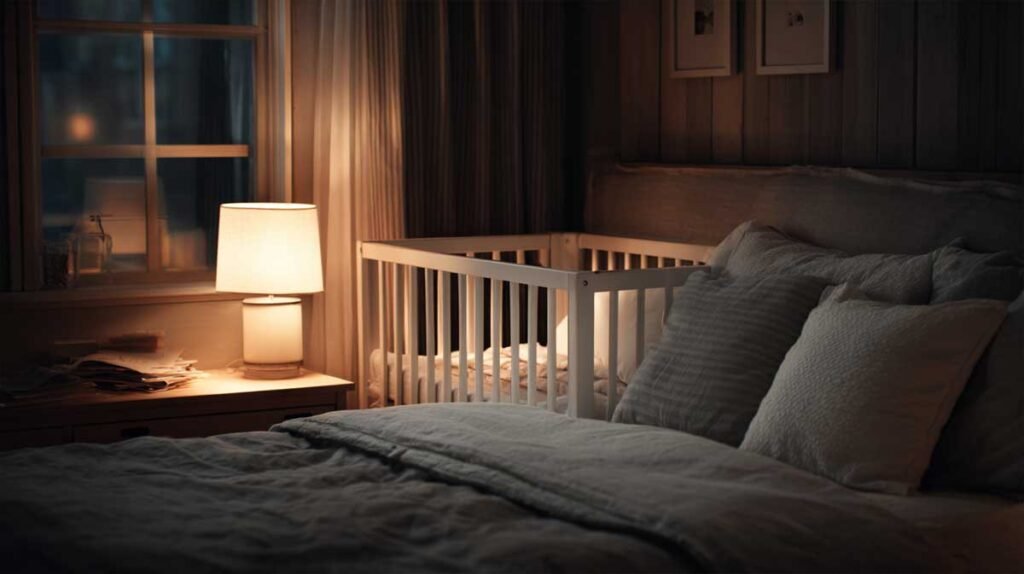
If you’re arranging your bedroom setup, this guide may support you:
👉 Best Bassinets for Newborns – 2025
Choose a Safe Crib Mattress
A firm mattress dramatically reduces suffocation risk. Soft or plush surfaces may feel cozy, but they’re unsafe for newborns.
For guidance on choosing a safe mattress, visit:
👉 Best Crib Mattresses for Newborns – 2025
Breastfeeding & Pacifier Use
Breastfeeding, when possible, has been shown to reduce SIDS risk.
Additionally, offering a pacifier at naps and bedtime can also provide protective benefits.
However, never attach pacifiers with clips, cords, or plush toys.
5. Swaddling, Wearable Blankets & Safe Soothing Techniques
Newborns are born with natural reflexes that can wake them easily, which is why many parents look for ways to soothe their little ones safely. Fortunately, swaddles and wearable blankets offer gentle support when used correctly.
Let’s look at how to use them safely.
When Swaddling Is Safe — And When It Isn’t
Swaddling can help calm your newborn by reducing the startle reflex.
However, the AAP recommends:
- swaddling only while the baby is on their back
- stopping immediately once baby begins to show signs of rolling
- ensuring the hips can move freely
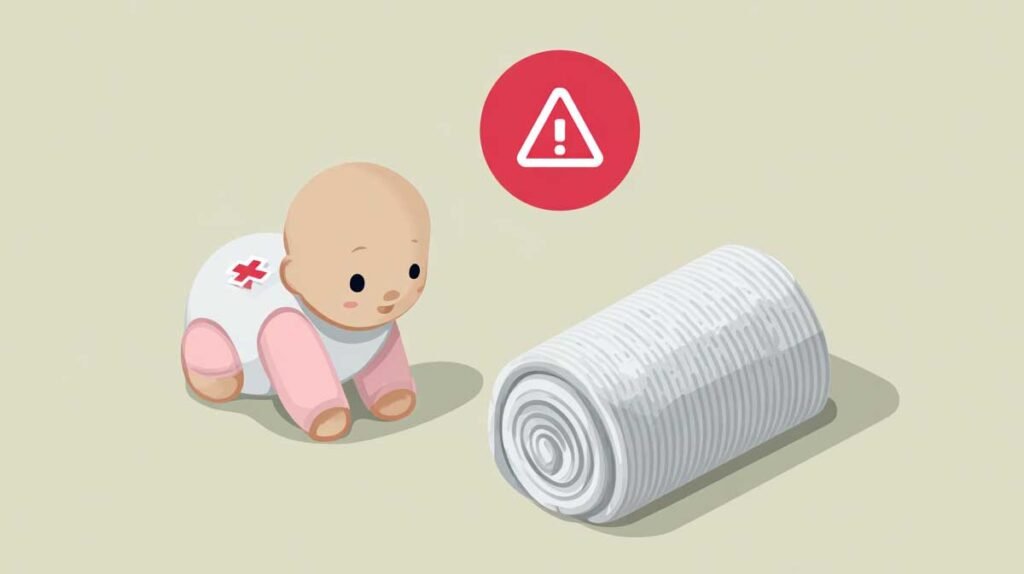
Swaddling should never replace a firm, safe mattress.
For mattress guidance:
👉 Best Crib Mattresses for Newborns – 2025
Wearable Blankets (Sleep Sacks)
Wearable blankets are a safer alternative to loose blankets because:
- they keep your baby warm
- they don’t cover the face
- they reduce overheating compared to heavy quilts
In addition, sleep sacks transition nicely from swaddling once your baby becomes more active.
Safe Soothing Techniques (AAP-Aligned)
You can gently soothe your newborn with:
- rhythmic shushing
- soft bouncing while awake
- holding your baby over your shoulder
- white noise (at safe volume)
- a predictable bedtime routine
But remember:
Soothing should always happen before placing your baby in the crib — not inside it.
For help choosing soothing-friendly nursery setups, here’s a warm guide:
👉 Nursery Essentials Buying Guide (2025)
6. Creating a Calming Newborn Sleep Routine
Newborns don’t follow predictable schedules, and that’s completely normal. Still, gentle routines can help your baby understand when it’s time to wind down — and they can also help you feel more grounded in those early weeks.
That said, think of routines as calming signals, not strict rules.
Here are simple ways to create a peaceful sleep rhythm that supports both you and your baby.
The Centers for Disease Control and Prevention (CDC) also provides clear, parent-friendly guidance on infant sleep safety and risk reduction.
CDC — Infant Safe Sleep
Use Soft, Predictable Sleep Cues
Your newborn learns through repetition. Small signals can go a long way:
- dimming the lights
- turning on soft white noise
- swaddling (if your baby is not rolling yet)
- a brief song or hum
- a few minutes of quiet cuddling
Even short cues help your baby transition from stimulation to rest.
For help setting up a soothing sleep space, you can explore ideas in our
👉 Nursery Essentials Buying Guide (2025).
Lay Your Baby Down Awake but Calm
This small habit encourages healthy sleep patterns over time.
In addition, it helps your baby learn to drift into sleep independently — something that becomes valuable during regressions and growth spurts.
Start slow. Even one calm put-down a day is a wonderful beginning.
Keep Night Wakings Low-Stimulation
Newborns wake frequently for feeding and comfort. When they do:
- keep lights dim
- speak softly
- avoid play or excitement
- make diaper changes quick and gentle
7. Common Safe Sleep Mistakes (and How to Avoid Them)
Every parent makes mistakes — especially when sleep-deprived — and you deserve compassion, not criticism.
However, understanding the most common pitfalls can help you avoid them, gently and confidently.
Using Soft Surfaces for Sleep
It can be tempting to let your newborn finish a nap on your chest, on the couch, or in your bed.
But unfortunately, these surfaces are too soft for safe sleep.
If your baby falls asleep there, simply transfer them to a safe crib or bassinet.
Here are guides to choosing safe sleep surfaces:
👉 Best Crib Mattresses for Newborns – 2025
Overheating from Too Many Layers
Newborns don’t regulate temperature well.
A good rule of thumb: dress your baby in one more layer than you’d wear comfortably in that same room.
Sleep sacks (wearable blankets) provide warmth without the risks of loose blankets.
Placing Baby at the Edge of the Crib or Bassinet
Your baby should always be centered in the crib or bassinet.
Edge-position sleeping increases the chance of the face pressing against the sides.
For crib setup help, see:
👉 A Buyer’s Guide to Buying the Best Baby Crib Pt. 2
Misunderstanding “Breathable” Products
Even breathable mattresses or mesh sides don’t change the core rules:
- always back to sleep
- firm, flat surface
- no soft accessories
Breathability improves comfort — but doesn’t override the basics.
8. Final Thoughts — A Calm, Safe Start for Your Baby
Safe sleep doesn’t have to be complicated. By focusing on a few core habits — back-sleeping, a firm mattress, a clutter-free crib, and a calm routine — you’re already creating the safest possible environment for your newborn.
And remember: You are learning. Your baby is learning. And both of you are doing beautifully.
Whenever you need more clarity, guidance, or gentle step-by-step support, you can explore these trusted parenting resources:
👉 Best Crib Mattresses for Newborns – 2025
You’re building a safe, loving world for your baby — one gentle decision at a time.
Full FAQ — Newborn Safe Sleep Guide (AAP-Based, 2025)
Q. What is the safest sleep position for newborns?
The safest position for every newborn — for every nap and every night — is on their back.
This position helps keep your baby’s airway open and reduces the risk of suffocation. Even if your baby seems to prefer the side, always start them on their back.
Once your baby can roll independently, it’s safe to let them remain in the position they choose — as long as you always place them down on their back.
Q. Where should my newborn sleep?
Your baby should sleep in a crib, bassinet, or approved playard with a firm, flat mattress and a snug fitted sheet. Nothing else should be inside the sleep space.
If you’re still choosing the best setup, these guides may help:
👉 Best Baby Monitors for Newborns: Safety-Focused Buying Guide
Q. What items are unsafe in a newborn’s crib?
Avoid all soft or loose items, including:
- pillows
- blankets
- quilts
- crib bumpers (even mesh bumpers)
- stuffed toys
- sleep positioners
- wedges or loungers
A safe newborn sleep space should be simple: firm mattress + fitted sheet only.
Q. How can I reduce SIDS risk?
You can gently reduce risks by:
- always placing baby on their back
- using a firm sleep surface
- keeping the crib clear of objects
- maintaining a smoke-free environment
- room-sharing without bed-sharing
- using a pacifier during naps and bedtime
- breastfeeding when possible
These everyday habits make a meaningful difference.
Q. Is swaddling safe for newborns?
Yes — swaddling is safe when done correctly and only while your baby is not rolling.
Swaddling helps reduce the startle reflex, but it must allow free leg and hip movement.
Stop swaddling as soon as your baby shows signs of attempting to roll.
Q. Should I use a sleep sack or wearable blanket?
Wearable blankets (sleep sacks) are a safe alternative to loose blankets, which are not recommended in a crib.
They help regulate temperature and keep your baby warm without covering their face.
Q. How firm should a crib mattress be for newborns?
A newborn mattress should be very firm.
If it feels comfortable for an adult, it’s probably too soft for a baby. Firmness is essential for safe breathing and proper spinal support.
Q. Can newborns sleep in car seats, swings, or bouncers?
These items are safe for awake time only.
They are not designed for sleep because they place babies at an incline, which can affect breathing.
If your baby falls asleep in a swing or car seat, gently move them to a flat, firm sleep surface as soon as you can.
Q. When should I transition my baby out of a bassinet?
Most babies outgrow their bassinet at 3–5 months, or earlier if they:
- begin rolling
- push up on hands or knees
- reach the bassinet’s weight limit
Q. What temperature should my baby’s room be?
Most US pediatricians recommend keeping the room between 68–72°F (20–22°C).
A comfortable rule is:
“If you’re warm in the room, your baby probably is too.”
Avoid overheating by choosing lightweight layers or a sleep sack.
Q. How long can a newborn sleep at night?
Newborns sleep in short cycles, usually waking every 2–3 hours to feed.
This is normal.
Over time, sleep stretches become longer — but every baby develops at their own pace.
If you’re building your gear list to support night care, explore:
👉 Best Baby Gear for New Parents: Complete 2025 Guide