



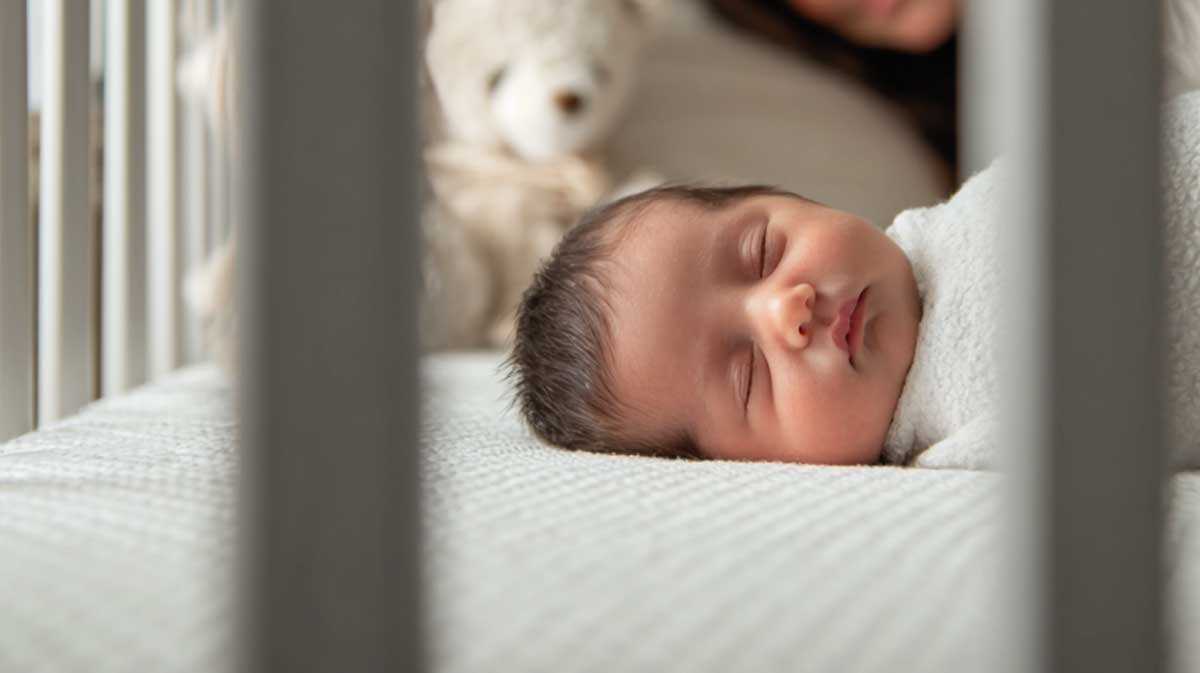
Updated for 2026: This guide reflects the latest U.S. crib safety standards, updated product availability, and current recommendations for newborn sleep.
When you start thinking about how to choose the best baby crib for newborns, it’s completely natural for the decision to feel bigger than expected. You’re not just choosing a piece of furniture — you’re creating a safe, comforting place where your baby can rest peacefully, grow, and begin their very first routines, while you feel reassured that you’ve made a thoughtful, loving choice.
If you feel unsure or overwhelmed, that’s completely normal. Most parents do. Safety standards, materials, mattress options, and endless product descriptions can quickly blur together. The good news is that choosing the right crib for your newborn doesn’t have to be complicated when you know what truly matters.
This step-by-step guide is designed to walk you through the decision calmly and clearly. We focus on safety, comfort, and real-world practicality — not marketing noise. By the end, you’ll have a solid understanding of what to look for and how to choose a crib with confidence, knowing you’ve put your baby’s well-being first.
Start With Safety — What Really Matters for Newborns
Before thinking about style, color, or extra features, safety should always come first. A crib’s primary job is simple but critical: to provide a secure, stable sleep space for your newborn.
Trusted U.S. safety references: For official guidance on safe sleep and crib safety, we recommend reviewing the U.S. Consumer Product Safety Commission (CPSC) crib safety guide.
In the U.S., all new cribs must meet federal safety standards, including rules about slat spacing, structural strength, and prohibited features like drop sides. Choosing a new, regulation-compliant crib already puts you on the right path.
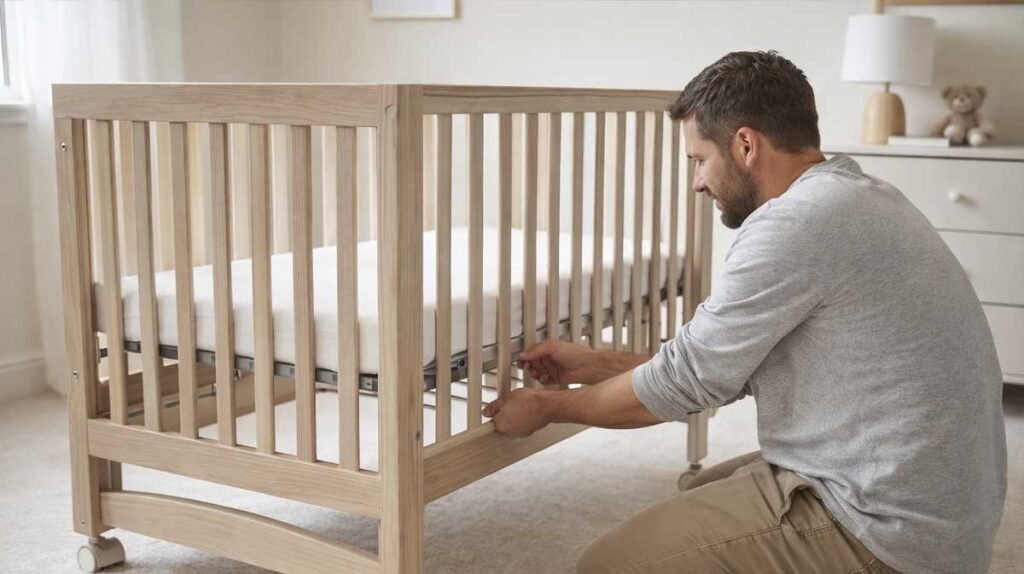
Beyond basic compliance, there are a few safety principles worth keeping in mind:
- a sturdy frame that doesn’t wobble or creak
- smooth finishes with no sharp edges
- a design that allows for a snug mattress fit
Safe sleep isn’t about adding more — it’s about keeping things simple. A well-built crib paired with a firm mattress and an empty sleep space is still the gold standard for newborn safety.
For a deeper look at safe sleep recommendations, our AAP-based newborn safe sleep guide explains current guidelines in a clear, parent-friendly way.
Step 1: Choose the Right Crib Type for Your Home
One of the first decisions parents face is deciding what type of crib makes the most sense for their space and lifestyle. There’s no single “best” option — only what fits your situation best.

Standard Cribs — A Long-Term Choice
Standard cribs are the most common option and work well for families who have enough space and want one crib to last for several years. They offer:
- a full-size sleep area
- wide mattress compatibility
- long-term use through toddlerhood
If you plan to set up a permanent nursery from the start, a standard crib can feel like a stable, reassuring foundation.
Mini Cribs — Flexible and Space-Saving
Mini cribs are smaller but still fully safe for newborns when they meet current safety standards. They’re especially helpful if you:
- live in an apartment
- plan to room-share during the early months
- want flexibility before committing to a full nursery setup
Many parents appreciate mini cribs for the newborn stage, then transition later as space or needs change.
Convertible Cribs — Planning Ahead
Convertible cribs are designed to grow with your child, transitioning from crib to toddler bed and beyond. While this can offer long-term value, it’s important not to overemphasize future stages at the expense of newborn safety and simplicity.
For the earliest months, how the crib functions right now matters most.
Step 2: Pay Attention to Materials, Finishes & Certifications
Newborns spend many hours sleeping, which is why materials and finishes deserve careful attention. Many parents today are especially mindful of what surrounds their baby — and that awareness is well-placed.
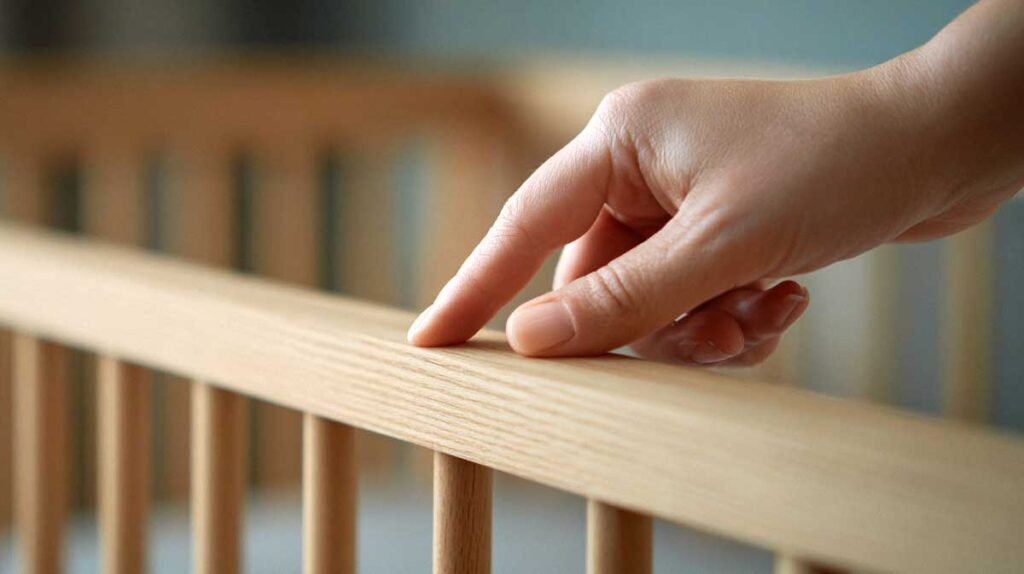
Understanding Wood Types and Finishes
Cribs may be made from solid wood, engineered wood, or a combination of both. What matters most isn’t the label, but how the materials are treated:
- smooth, sealed surfaces
- non-toxic, low-VOC finishes
- paints free from lead and harmful chemicals
These details help create a healthier indoor environment, especially in smaller nurseries.
What Safety Certifications Really Mean
You’ll often see terms like JPMA certified or GREENGUARD Gold. These indicate that a crib has been independently tested for safety, durability, and low chemical emissions.
While certifications aren’t the only measure of quality, they provide additional reassurance — particularly for parents who want to minimize exposure to unnecessary chemicals during the newborn stage.
A Reassuring Perspective
Choosing a crib with safer materials doesn’t mean you need to chase perfection. Even small, thoughtful decisions can help you feel more at ease about the space where your baby sleeps each night.
Step 3: Mattress Fit, Firmness & Height Adjustability
A crib is only as safe as the mattress inside it. This step is often overlooked, but it plays a major role in newborn sleep safety and daily comfort.
Why Mattress Fit Matters
A properly fitting mattress should sit snugly inside the crib with no gaps along the edges. Gaps can create unsafe sleep positions, which is why size compatibility is so important.
Always choose a mattress designed specifically for your crib’s dimensions.
Firmness Is Essential for Newborns
Choosing a firm, properly sized crib mattress for newborns is just as important as the crib itself. If you’d like extra guidance, our guide to the best crib mattresses for newborns walks through firmness, materials, and proper fit in a clear, parent-friendly way.
A firm sleep surface helps support safe breathing and reduces the risk of unsafe sleep positions — especially during the newborn stage.
A simple test many parents find helpful is gently pressing down on the mattress. It should spring back immediately without leaving any indentation.
Mattress Height and Parent Comfort
Cribs with multiple mattress height settings make daily life easier:
- higher positions support safe lifting in the early weeks
- lower settings become important as babies grow more mobile
This adjustability helps protect both your baby’s safety and your own back and shoulders.
Gentle Pause
If this feels like a lot to consider, take a breath. Choosing a crib isn’t about getting everything perfect — it’s about making informed, caring choices step by step.
Step 4: Learn From Real-World Examples (What Parents Appreciate Most)
Once you understand the basics of crib safety and design, it helps to see how these principles show up in real products — and why certain features consistently matter to parents over time.
The goal here isn’t to sell you a specific crib, but to highlight patterns parents tend to appreciate after weeks, months, and even years of daily use.
Example 1: DaVinci Kalani — Why Durability and Adjustability Matter
Many parents appreciate cribs like the DaVinci Kalani because they balance stability, adjustability, and long-term usability. One feature that stands out is the four-level mattress height system, which gives parents flexibility as their baby grows.
Parents often mention:
- how sturdy the crib feels once assembled?
- how easy it is to adjust mattress height without stress?
- how reassuring it feels to use a crib that doesn’t shift or wobble?
Another commonly appreciated point is ease of assembly. During the newborn stage, parents don’t want complicated instructions or heavy lifting. A crib that comes together smoothly can reduce frustration at a time when energy is already limited.
Example 2: StockCraft Tuscany — When Heavier Construction Is a Benefit
Some parents prefer a crib with a heavier, more solid feel. In those cases, models like the StockCraft Tuscany often stand out.
Parents who choose this style frequently value:
- a wide, stable sleep surface
- a solid, grounded feel that doesn’t move easily
- additional storage options built into the design
While heavier cribs can take up more space, many families feel the added stability is worth it — especially if their baby is sensitive to movement.
What These Examples Teach Us
Across different brands and styles, the same themes come up again and again:
- stability builds confidence
- adjustability supports both baby safety and parent comfort
- simple, thoughtful design matters more than extra features
Looking at real-world use helps shift the focus from marketing claims to what truly supports families day to day.
Common Mistakes Parents Make When Choosing the Best Baby Crib for Newborns
Even well-intentioned parents can feel overwhelmed by options and end up focusing on the wrong details. Learning from common mistakes can help you avoid unnecessary stress — and choose more confidently.
Focusing Too Much on Appearance
A beautiful crib can be appealing, but design should never come at the expense of safety or usability. Decorative elements don’t improve sleep — sturdy construction and proper mattress fit do.
Overvaluing Future Conversions
Convertible cribs can be helpful, but many parents overestimate how much they’ll actually use every conversion stage. For newborns, it’s far more important that the crib is:
- easy to use right now
- safe at the highest mattress setting
- simple to adjust as needed
Future flexibility is a bonus, not a requirement.
Ignoring Mattress Compatibility
Some parents choose a crib first and worry about the mattress later. This can lead to gaps, poor fit, or confusion during setup.
Choosing both together — or at least checking compatibility early — makes the process smoother and safer.
Buying Too Early or Too Quickly
It’s easy to feel pressure to buy everything at once. But taking a little extra time to understand your space, your routine, and your priorities often leads to better decisions.
There’s no rush to get everything perfect on day one.
Final Thoughts About Choosing a Baby Crib With Confidence
Choosing a crib is one of those early parenting decisions that quietly sets the tone for many days and nights ahead. It’s not just about measurements or materials — it’s about creating a space where your newborn can rest safely, and where you can feel at ease placing them down each time.
When you focus on the essentials — safety standards, a firm mattress, thoughtful materials, and practical design — the decision becomes much clearer. You don’t need the most expensive crib or the one with the longest list of features. You need one that fits your home, supports safe sleep, and feels right for your family.
If there’s one thing most parents discover over time, it’s this: confidence grows with clarity. The more you understand what truly matters, the less overwhelming the choices feel. A well-chosen crib becomes a steady part of your routine — something you trust, rather than question.
Take your time. Trust your instincts. And remember that choosing a crib with care is already a meaningful step toward giving your baby a safe, calm start.
If you’re building your nursery step by step, our baby gear guide for new parents can help you prioritize what truly matters in the early months.
Helpful Next Steps for New Parents
If you’d like to continue learning and feel even more confident, these guides can help:
- Best Baby Cribs for Newborns (2026 Buying Guide & Reviews) — for side-by-side comparisons and top-rated picks
- Best Crib Mattresses for Newborns — to make sure your crib setup is complete and safe
- Newborn Safe Sleep Guide (AAP-Based) — for clear, reassuring guidance on sleep safety
Each of these resources is designed to support you gently, without pressure — so you can make choices that feel informed and comfortable.
💬 A Gentle Reminder
Every parent’s journey looks a little different. There’s no single “right” way — only thoughtful decisions made with care. You’re doing exactly that, one step at a time.
Frequently Asked Questions About Choosing a Baby Crib
Q: What type of baby crib is best for a newborn?
A: A standard or mini crib that meets current U.S. safety standards is best for newborns. The most important factors are sturdy construction, proper mattress fit, and a firm sleep surface.
Q: Are convertible cribs safe for newborns?
A: Yes, convertible cribs are safe for newborns as long as they meet current safety regulations. However, parents should focus on newborn safety and usability first, not future conversion features.
Q: How do I know if a crib mattress fits properly?
A: A crib mattress should fit snugly with no gaps along the edges. If you can fit more than two fingers between the mattress and the crib frame, the fit is too loose.
Q: Is solid wood better than engineered wood for baby cribs?
A: Both can be safe when properly manufactured. What matters most is a non-toxic finish, sturdy construction, and compliance with U.S. safety standards.
Q: Do I need certifications like JPMA or GREENGUARD?
A: Certifications aren’t required, but they provide extra reassurance that a crib has been independently tested for safety, durability, and low chemical emissions.