



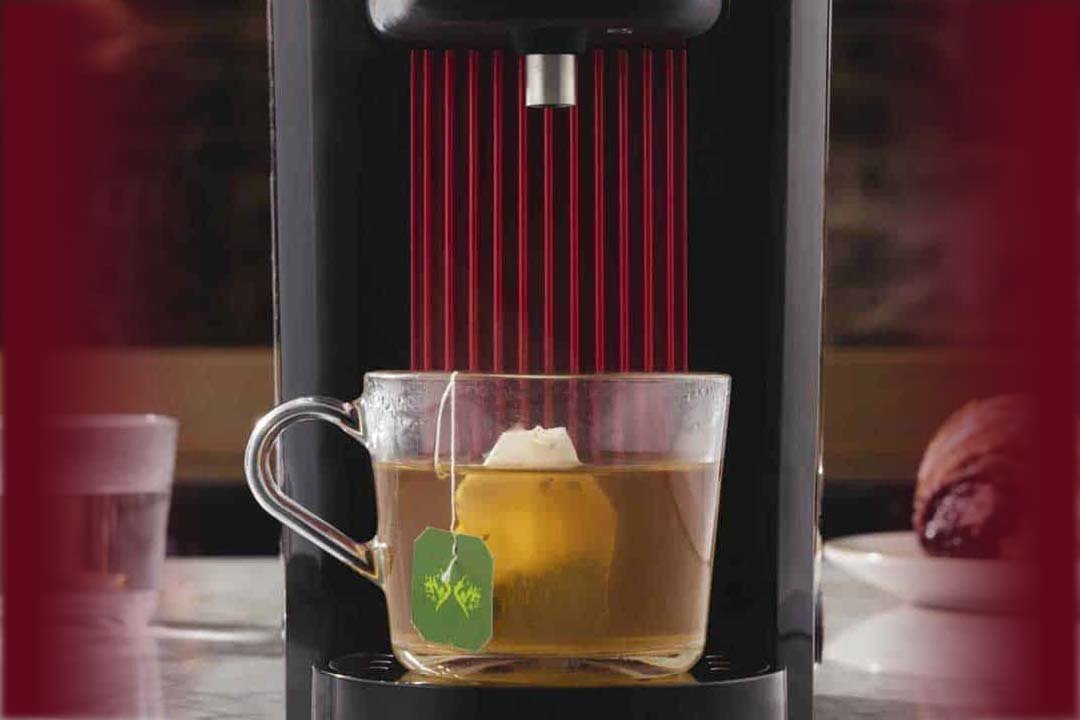
A hot and cold water dispenser sounds like a small convenience—until you live with one for a while. After testing and using these dispensers in apartments, family kitchens, and home offices, I’ve learned that the real value isn’t just instant hot water or chilled drinks. It’s how seamlessly the dispenser fits into your daily routine.
Updated January 7, 2026
Some households use hot water multiple times a day for coffee, tea, or quick meals. Others barely touch the hot option and rely almost entirely on cold water. And then there’s the big question many buyers ask upfront: Is hot water from a dispenser actually safe for home use?
This guide breaks down how hot and cold water dispensers work, when they make sense, and what safety features really matter—so you can decide whether this type of dispenser is right for your home before you buy.
What Is a Hot and Cold Water Dispenser?
A hot and cold water dispenser is a freestanding or countertop appliance designed to provide instant access to both heated and chilled drinking water from a single unit. Unlike basic water coolers, these models actively heat and cool water internally, keeping it ready at the push of a button.
How Hot and Cold Water Dispensers Work
Inside the dispenser, two separate systems operate at the same time:
- The cooling system chills water using a compressor or thermoelectric unit, similar to a small refrigerator.
- The heating system warms water in a sealed tank, typically reaching temperatures between 170°F and 200°F—hot enough for beverages, but not always a full rolling boil.
From real-world use, this setup works best for households that want convenience without juggling kettles, ice trays, or refrigerator space. The water is always ready, which subtly changes how often people actually drink water throughout the day.
What Makes These Dispensers Different From Cold-Only Models
Cold-only dispensers focus on hydration. Hot and cold models expand that role by supporting everyday routines like:
- morning coffee or tea
- instant soups or oatmeal
- quick baby bottle preparation (with proper cooling)
That said, the added heating element increases complexity, energy use, and price—making it important to know whether you’ll truly benefit from the hot water feature.
Is Hot Water from a Dispenser Safe for Home Use?
This is the most common—and most important—question buyers ask. The short answer is yes, hot water dispensers are safe for home use when they include modern safety features and are used properly.
Temperature and Burn Risk Explained
Most hot water dispensers heat water to a range designed for beverages, not industrial boiling. While this water is hot enough to cause burns if mishandled, it’s generally less aggressive than boiling kettle water.
In testing, the risk comes not from the temperature itself, but from accidental activation—especially in homes with children.
Built-In Safety Features That Matter
Modern hot and cold water dispensers typically include:
- child safety locks on hot water buttons
- recessed or dual-action hot water controls
- slower hot water flow compared to cold taps
These features significantly reduce the chance of accidental dispensing. In family homes, I strongly recommend choosing a model with a clearly labeled, tactile safety lock that requires intentional pressure to activate.
Certifications and Safety Standards to Look For
For US households, look for dispensers that meet recognized standards such as:
- UL certification for electrical safety
- Energy Star ratings for efficiency
- clear manufacturer guidelines for home use
These certifications don’t just protect the appliance—they protect your household from long-term reliability and safety issues.
Real-World Safety Takeaway
From long-term use, hot water dispensers are no more dangerous than kettles or coffee machines when used responsibly. The key is choosing a model designed for home environments—not commercial use—and following basic safety and maintenance guidelines.
When a Hot and Cold Water Dispenser Makes Sense
A hot and cold water dispenser isn’t a luxury appliance—it’s a convenience upgrade. But it only pays off when it aligns with how you actually live.
From real-world use, these dispensers make the most sense for:
- Tea and coffee drinkers
If you’re boiling water multiple times a day, instant hot water quickly becomes one of those features you don’t want to give up. - Busy households and families
Between work, school, and daily routines, having hot and cold water ready saves small amounts of time that add up. - Home offices and remote workers
When your kitchen break is short, not waiting on a kettle or fridge makes hydration easier—and more frequent. - Homes without a reliable kettle or coffee machine
In many US households, the dispenser becomes the primary hot water source for drinks.
That said, convenience only matters if you actually use it. If the hot button rarely gets pressed, you’re paying for functionality you don’t need.
When You Don’t Need Hot Water at All
Hot water dispensers aren’t for everyone, and that’s perfectly fine.
You may not need the hot water feature if:
- you already use an electric kettle daily and are happy with it
- you primarily drink cold or room-temperature water
- you live alone and have low daily water use
- energy efficiency and simplicity matter more than convenience
In smaller apartments or minimalist setups, cold-only dispensers often provide a better balance of performance, cost, and simplicity.
Energy Use & Electricity Costs: What to Expect
One concern that comes up frequently is electricity use. Hot water dispensers do consume more energy than cold-only models—but usually not as much as people expect.
How Energy Use Breaks Down
- Heating elements draw the most power, especially when reheating water after use.
- Cooling systems cycle periodically, similar to a mini fridge.
- Standby consumption varies by model quality and insulation.
In everyday home use, electricity costs are typically modest—especially with Energy Star–rated models. Still, if energy efficiency is a top priority, cold-only or on-demand heating models may be a better fit.
Common Myths About Hot Water Dispensers
Let’s clear up a few misconceptions that often confuse buyers.
“The Water Is Always Boiling”
Not true. Most dispensers heat water to beverage-safe temperatures, not a rolling boil.
“They’re Unsafe for Homes With Kids”
Modern models include safety locks and controlled flow. When used responsibly, they’re no more dangerous than kettles or coffee machines.
“They Use a Lot of Electricity”
Compared to many kitchen appliances, their energy use is relatively moderate—especially when used efficiently.
Hot and Cold vs Cold-Only Water Dispensers
Choosing between these two comes down to priorities.
Hot and cold water dispensers offer:
- maximum convenience
- fewer appliances on the counter
- instant access to beverages
Cold-only water dispensers offer:
- lower upfront cost
- better energy efficiency
- simpler maintenance
If you’re unsure, think about how often you currently boil water. That single habit usually makes the decision clear.
Best Hot and Cold Water Dispensers (Quick Picks)
This article focuses on helping you decide whether a hot and cold water dispenser makes sense—not on listing dozens of models.
For detailed reviews, comparisons, and real-world pros and cons, see our dedicated guides:
- Best Water Dispenser with Hot and Cold Water
- Best Water Dispensers for Home Use
- Types of Water Dispensers Explained
👉 Check top-rated hot and cold water dispensers on Amazon
These pages break down the best options by household type, space, and budget—without the guesswork.
Conclusion: Is a Hot and Cold Water Dispenser the Right Choice for Your Home?
A hot and cold water dispenser makes sense when it simplifies your daily routine—not when it adds unnecessary features or cost. After real-world home use, the deciding factor almost always comes down to habit, not technology.
If you regularly prepare hot drinks, want instant access to cold water, and value convenience over minimalism, this type of dispenser can be a practical upgrade. It reduces small friction points throughout the day—waiting for kettles, refilling pitchers, or opening the fridge repeatedly.
On the other hand, if hot water is rarely part of your routine or you prioritize simplicity and energy efficiency, a cold-only model may be the better fit. In those cases, extra features don’t add real value.
The smartest choice isn’t about buying the most advanced dispenser—it’s about choosing the one that fits how you actually live. Once that match is clear, the decision becomes straightforward and confident.
FAQ: Hot and Cold Water Dispensers
1) Are hot and cold water dispensers safe for home use?
Yes. Most modern models are safe for home use when used properly and cleaned regularly. For homes with kids, choose a dispenser with a hot-water child safety lock and clearly separated controls.
2) How hot does the water get in a hot and cold water dispenser?
Most dispensers heat water to roughly 170°F–200°F, which is hot enough for tea and coffee. It may not always reach a full rolling boil like a kettle.
3) Do hot and cold water dispensers filter the water?
Some do, especially bottleless models with built-in filtration. Bottled dispensers usually depend on the quality of the water jug unless they include an extra filter stage.
4) Do these dispensers use a lot of electricity?
Not usually. Models with hot and cold functions use more power than cold-only units, but electricity costs are generally modest for typical home use—especially with energy-efficient designs.
5) Which is better: bottom-loading or top-loading?
Bottom-loading dispensers are easier to use because you don’t have to lift heavy bottles. Top-loading models are often cheaper but less convenient for everyday bottle changes.
6) How often should you clean a hot and cold water dispenser?
A deep clean every 3–6 months is a good rule for most homes, plus regular wipe-downs around the spouts and drip tray. Consistent cleaning helps prevent taste, odor, and buildup.
7) Is hot dispenser water safe for baby bottles?
It can be used, but you should always follow safe preparation practices and allow water to cool to the appropriate temperature. Many parents prefer using dispenser hot water for convenience, then cooling it properly.
8) Should I choose a hot and cold model or a cold-only dispenser?
Choose hot and cold if you regularly make tea/coffee or want instant hot water for quick meals. Choose cold-only if you want a simpler, more energy-efficient option mainly for hydration.