



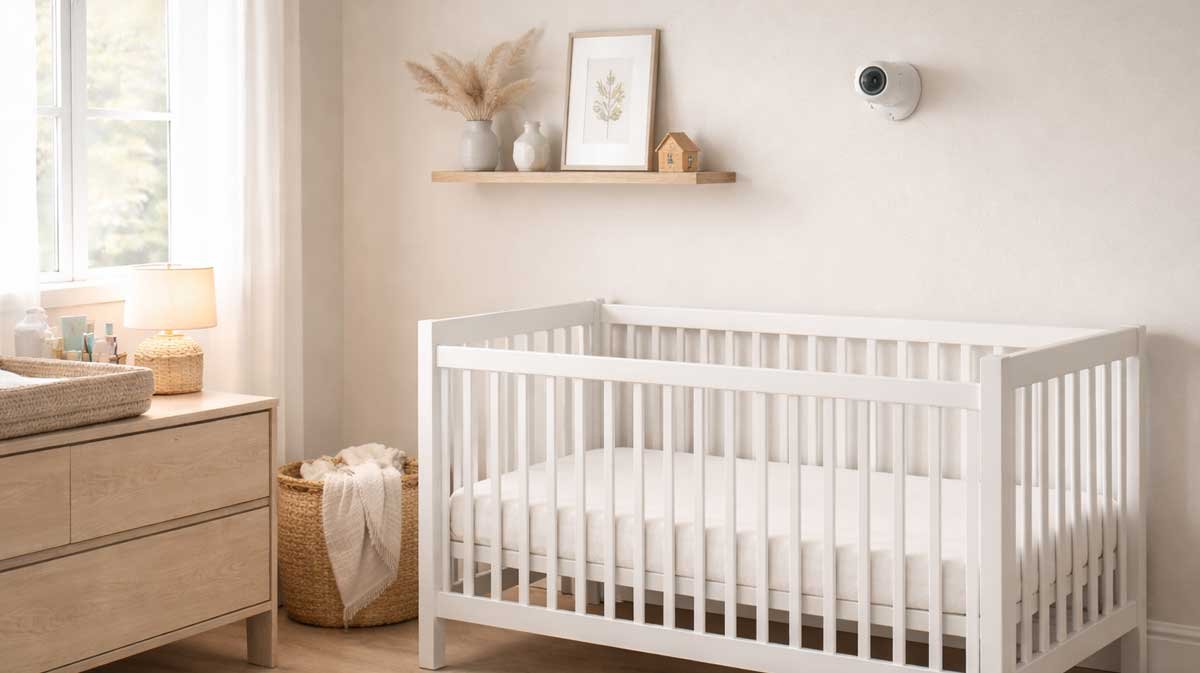
Choosing the best baby monitors for newborns can feel like one more big decision at a time when you’re already juggling a lot. If you’re wondering whether you really need a monitor, which type makes sense for your home, or how to choose one that supports safe sleep without adding stress—you’re not alone. Most new parents ask these exact questions.
This guide is designed to help you sort through baby monitor options with clarity and confidence. We’ll focus on what actually matters for newborn safety, how monitors fit into a healthy sleep setup, and which features are truly useful in real life—especially during those quiet nighttime moments. There’s no pressure here to buy the most advanced device on the market. The goal is to help you choose a monitor that supports your routine and gives you peace of mind, without overwhelming you with technical details.
If you’d like a broader look at essential gear that supports newborn care and sleep, this guide brings everything together:
👉 Best Baby Gear for New Parents: Complete Guide
Why a Baby Monitor Matters for Newborn Safety
A baby monitor doesn’t make your baby sleep safer on its own—but it can help you feel more aware and connected, especially when your newborn is sleeping in another room. For many families, that reassurance makes a real difference in the early weeks.
What a Baby Monitor Can (and Can’t) Do
A monitor allows you to hear or see your baby when you’re not in the same room. It can alert you to crying, restlessness, or changes in sound, which is helpful when you’re cooking, showering, or resting nearby. However, it’s important to remember that a monitor does not replace safe sleep practices.
Safe sleep always comes first: placing your baby on their back, using a firm mattress, and keeping the sleep space empty. A monitor is simply a supportive tool layered on top of those basics.

Reassurance for Real Life
Many parents find that a monitor helps them relax a little more—especially during naps or at night. Being able to quickly check in without entering the room can reduce unnecessary wake-ups and give you a better sense of your baby’s rhythms.
Types of Baby Monitors for Newborns (Choosing the Best Option)
Before comparing specific models, it helps to understand the main types of baby monitors available. Each type serves a slightly different purpose, and the best choice depends on your space, lifestyle, and comfort level.
Audio Baby Monitors
Audio-only monitors transmit sound from your baby’s room to a parent unit. They’re simple, reliable, and often budget-friendly. Many parents appreciate how straightforward they are—especially if they don’t feel the need for video.
Best for:
- room-sharing households
- parents who want minimal features
- smaller apartments where range isn’t an issue
Video Baby Monitors
Video monitors add a camera and screen, allowing you to see your baby as well as hear them. This can be reassuring for parents who want visual confirmation without entering the room.
Best for:
- parents who prefer visual check-ins
- babies sleeping in a separate nursery
- families who value night vision features
Wi-Fi vs Non-Wi-Fi Baby Monitors for Newborns
One of the most common decisions new parents face is whether to choose a Wi-Fi or non-Wi-Fi baby monitor. Both options can work well for newborns, but they support slightly different lifestyles and comfort levels.
Wi-Fi Baby Monitors
Wi-Fi monitors connect to your home internet and stream video or audio through a smartphone app. This allows you to check in on your baby from anywhere, which some parents find reassuring—especially if they travel frequently or want access while away from home.
However, Wi-Fi monitors rely heavily on internet stability. Connection drops, app updates, or delayed notifications can occasionally interfere with real-time monitoring. Privacy is another consideration. While many brands use encryption, Wi-Fi monitors require extra steps like secure passwords and regular software updates to keep data protected.
Best for:
- parents who want remote access
- tech-comfortable households
- situations where off-site monitoring is useful
Non-Wi-Fi Baby Monitors
Non-Wi-Fi monitors use a dedicated parent unit that connects directly to the camera. They don’t require internet access, which often makes them more reliable for overnight use. Many parents appreciate their simplicity—turning the monitor on and knowing it will just work.
These monitors are also commonly chosen for privacy reasons, since the signal stays within your home. While they don’t offer remote viewing, they tend to deliver consistent performance without app notifications or software updates.
Best for:
- newborn stage and overnight monitoring
- parents who prefer simplicity
- households with unstable Wi-Fi
Which Is Better for Newborns?
For many families, non-Wi-Fi monitors feel like the calmer choice during the newborn phase. That said, the best option is the one that fits your routine and helps you feel confident—not overwhelmed—during those early weeks.
What to Look for in a Baby Monitor for a Newborn
When evaluating baby monitors for newborns, it’s easy to get distracted by long feature lists and technical specs. In real life, though, a few core factors tend to matter far more—especially during those first months when you’re often checking in while tired or half-asleep.
Clear Audio and Video
You want to hear your baby’s sounds clearly without constant static, delays, or false alerts. Subtle noises—like fussing or light movement—should come through naturally, without sudden volume spikes that cause unnecessary anxiety. If you’re choosing a video monitor, smooth and reliable visuals are more important than ultra-high resolution. A steady image that loads quickly is far more helpful than crystal-clear video that lags or freezes.
Night Vision That Actually Works
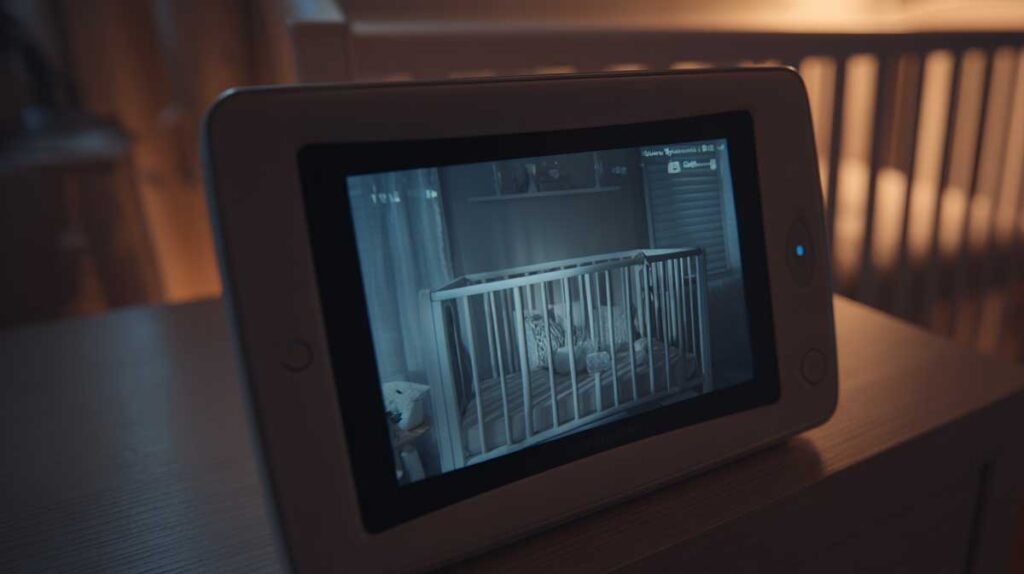
Most newborn sleep happens in low light or complete darkness. A good monitor should switch automatically to night vision and provide a clear, evenly lit view without harsh glare or grainy shadows. Many parents find that softer infrared night vision makes it easier to check in without fully waking themselves—or their baby.
Range and Connectivity
Your home layout plays a big role here. Apartments and smaller homes usually don’t need long-range monitors, while multi-story houses benefit from stronger, more stable signals. Look for a monitor that comfortably covers your space without pushing its maximum range, which can reduce reliability.
Safety and Ease of Use
The best baby monitor for a newborn is one you can operate instinctively. Simple controls, clear alerts, and safe cable placement matter far more than advanced extras. Fewer steps often mean less frustration—especially at night.

If your baby is sleeping in a crib or bassinet, it’s also helpful to understand how monitor placement works alongside safe sleep furniture. These guides offer practical context:
👉 Best Baby Cribs for Newborns
Battery Life & Overnight Reliability
When it comes to baby monitors for newborns, battery life and overnight reliability often matter more than any advanced feature. Nighttime is when you rely on your monitor the most—and the last thing you want is a dead screen or dropped signal at 3 a.m.
A monitor with strong battery performance allows you to move freely around your home without constantly worrying about charging. Many parents find it helpful to choose a model that comfortably lasts through an entire night, even with video and sound enabled. This way, you can place the parent unit on a nightstand or carry it with you during evening routines without keeping it permanently plugged in.
Overnight reliability goes beyond battery life alone. A dependable monitor should maintain a stable connection without frequent dropouts or delayed audio. Sudden disconnections or lag can create unnecessary stress, especially when you’re half-asleep and trying to decide whether your baby needs attention or is simply shifting between sleep cycles.
For families who prefer to leave the monitor plugged in overnight, thoughtful cord management is still important. Cables should be positioned safely and well out of reach, particularly if the monitor is used near a crib or bassinet. Choosing a monitor with flexible charging options—such as USB charging or a docking base—can make everyday use much smoother.
In real life, the best baby monitor for a newborn is one that works quietly in the background. Reliable overnight performance means fewer disruptions, calmer check-ins, and one less thing to think about during those long nights of early parenting.
Best Baby Monitors for Newborns: Our Top Safety-Focused Picks
Rather than listing dozens of models, we focus on a small group of baby monitors that consistently meet newborn needs: clear audio/video, dependable night performance, simple controls, and thoughtful safety features. These picks are chosen to fit different homes and comfort levels—without unnecessary complexity.
Infant Optics DXR-8 PRO
Overview: A reliable, non-Wi-Fi video monitor known for strong signal stability and excellent night vision.
What We Like:
- Dedicated parent unit (no internet required)
- Clear night vision with minimal glare
- Interchangeable lens options for flexible viewing
What Could Be Better: - Higher price than basic models
- Fewer “smart” app features
Best For: Parents who want simplicity, privacy, and dependable overnight monitoring.
VTech DM221 Audio Baby Monitor
Overview: A straightforward audio monitor that focuses on sound clarity and long range.
What We Like:
- Strong audio transmission
- Long battery life
- Easy, intuitive controls
What Could Be Better: - No video feed
Best For: Room-sharing families or parents who prefer minimal tech.
Nanit Pro Smart Baby Monitor
Overview: A Wi-Fi video monitor with advanced tracking features and app-based viewing.
What We Like:
- Crisp video quality
- Sleep analytics (used thoughtfully)
- Flexible mounting options
What Could Be Better: - Requires stable Wi-Fi
- Subscription needed for some features
Best For: Tech-comfortable parents who want app access and data insights.
Tip: If you’re still deciding between a crib or bassinet—and how a monitor fits into that setup—this overview can help you see the bigger picture:
👉 Newborn Essentials Checklist for New Parents
Baby Monitor Safety Tips Every New Parent Should Know
A baby monitor should support safe sleep—not introduce new risks. A few simple placement and usage habits make a meaningful difference.
According to the American Academy of Pediatrics (AAP), baby monitors should never replace safe sleep practices such as placing babies on their backs on a firm, empty sleep surface. Monitors can support awareness, but safe sleep habits remain the foundation of newborn sleep safety.You can review the official AAP safe sleep recommendations here:
American Academy of Pediatrics — Safe Sleep Guidelines
Mounting & Cable Safety
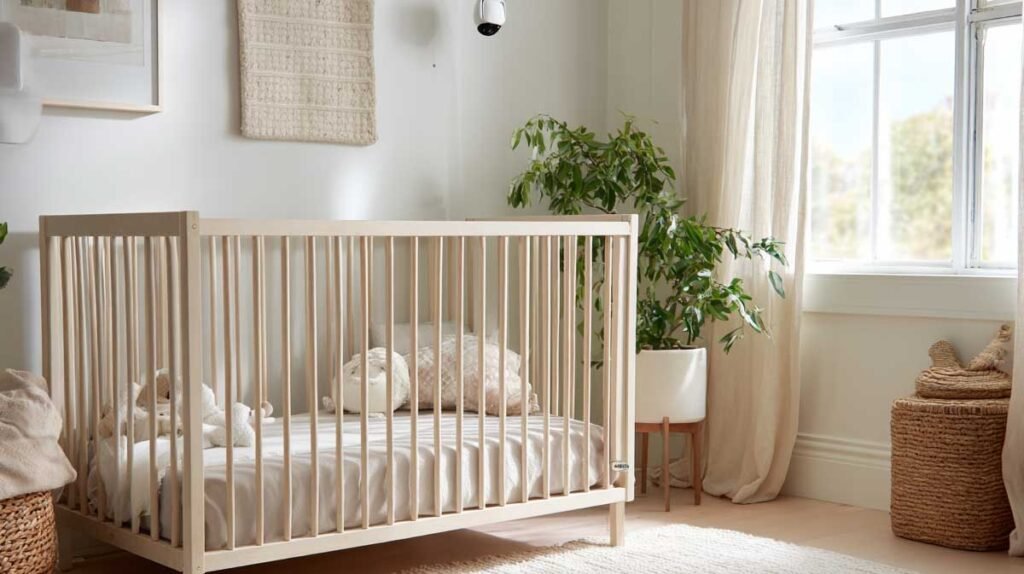
Always keep cords well out of reach. Wall-mounted cameras should be positioned high and secured, never within arm’s length of the crib. If a monitor includes long cables, use clips or cord covers to keep them tidy and inaccessible.
Distance & Field of View
Place the camera far enough away to capture the sleep surface clearly without hovering directly above the crib. A wide, stable view is more helpful than constant zooming.
Volume & Alerts
Set alerts high enough to hear genuine needs, but not so sensitive that normal sleep noises trigger constant alarms. Many parents find a balanced setting helps everyone rest better.
For a deeper look at how monitors fit alongside safe sleep practices—what they do and don’t replace—this guide offers clear, parent-friendly context:
👉 Newborn Safe Sleep Guide (AAP-Based)
Do You Really Need a Baby Monitor for a Newborn?
The honest answer: it depends on your home and your comfort level. Some families feel perfectly at ease without a monitor during the first weeks, especially when room-sharing. Others appreciate the reassurance it provides when their baby sleeps in a separate space.
A monitor can be helpful if:
- your baby naps in a different room
- your home has multiple levels
- you want to check in without entering the nursery
It’s okay to start without one and add it later—or to begin with a simple audio monitor and upgrade only if you feel the need.
If your newborn is sleeping in a dedicated crib or nursery, understanding how monitors work alongside sleep furniture can be helpful. These guides break that down clearly:
👉 Best Crib Mattresses for Newborns
Baby Monitor vs. Safe Sleep Practices (An Important Reminder)
It’s worth pausing here for an important clarification: a baby monitor supports awareness, but it does not create a safe sleep environment on its own. Even the most advanced monitor can’t replace the basics that truly matter for newborn sleep safety.
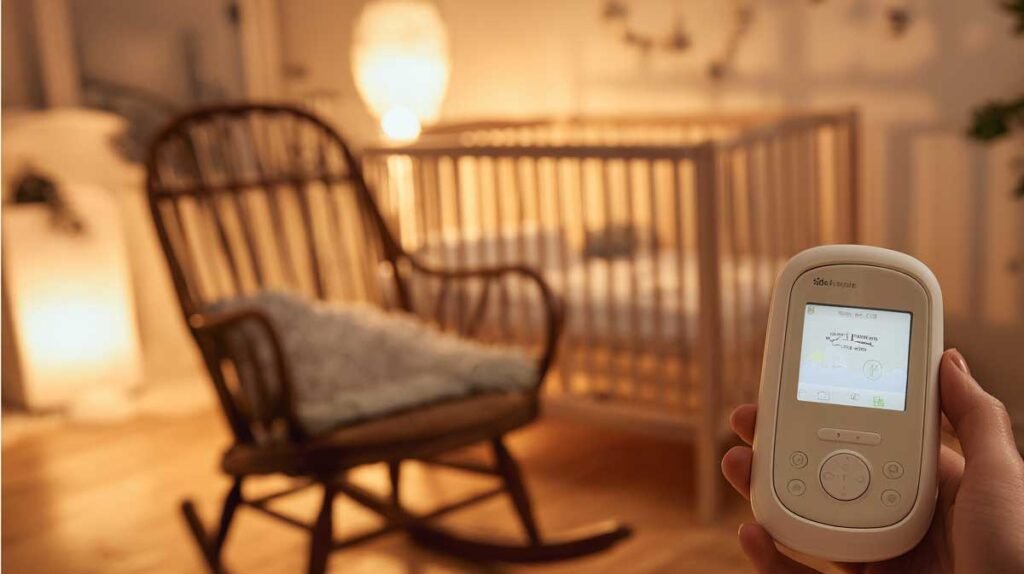
Safe sleep starts with a firm, flat mattress, a snug fitted sheet, and an empty sleep space. Monitors simply help you stay connected when you’re not in the same room. Many parents find this distinction reassuring—because it keeps expectations realistic and stress levels lower.
Think of a monitor as a helpful assistant, not a safety guarantee. Used thoughtfully, it can reduce unnecessary check-ins and give you confidence during naps and nighttime. Used as a replacement for safe sleep practices, it can create a false sense of security.
If you’re setting up or adjusting your baby’s sleep space, these guides walk through the essentials step by step:
👉 Best Bassinets for Newborns
FAQ — Baby Monitors for Newborns
Is a baby monitor safe for a newborn?
Yes, when used correctly. Place cameras and cords well out of reach, secure any mounting hardware, and follow manufacturer guidelines. Avoid positioning monitors directly inside the crib area.
Can baby monitors reduce the risk of SIDS?
No. Baby monitors do not prevent SIDS. Safe sleep practices—placing babies on their backs on a firm, empty sleep surface—are the most important factors. Monitors can provide reassurance but should not replace these guidelines.
Are Wi-Fi baby monitors safe to use?
They can be, as long as privacy and security settings are properly configured. Some parents prefer non-Wi-Fi monitors for simplicity and peace of mind, especially during the newborn stage.
How far should a baby monitor be from the crib?
Most experts recommend placing cameras several feet away and well above crib level. This allows a clear view without creating cable or mounting risks.
Do I need a video monitor, or is audio enough?
Many families do just fine with audio-only monitors, especially when room-sharing. Video can be helpful if your baby sleeps in a separate nursery or if visual reassurance helps you relax.
Final Thoughts: Choosing the Best Baby Monitors for Newborns
Choosing among the best baby monitors for newborns isn’t about finding the “perfect” device—it’s about finding what fits your home, your routine, and your comfort level. Some parents want the simplicity of audio-only monitoring. Others appreciate a clear video feed for quick check-ins. Both choices can be perfectly valid.
Start with safety fundamentals, layer in a monitor if it feels helpful, and give yourself permission to adjust as you go. Parenting is full of learning moments, and it’s okay if your needs change over time.
You’re doing a thoughtful job preparing for your baby—and that care matters far more than any single piece of technology.