



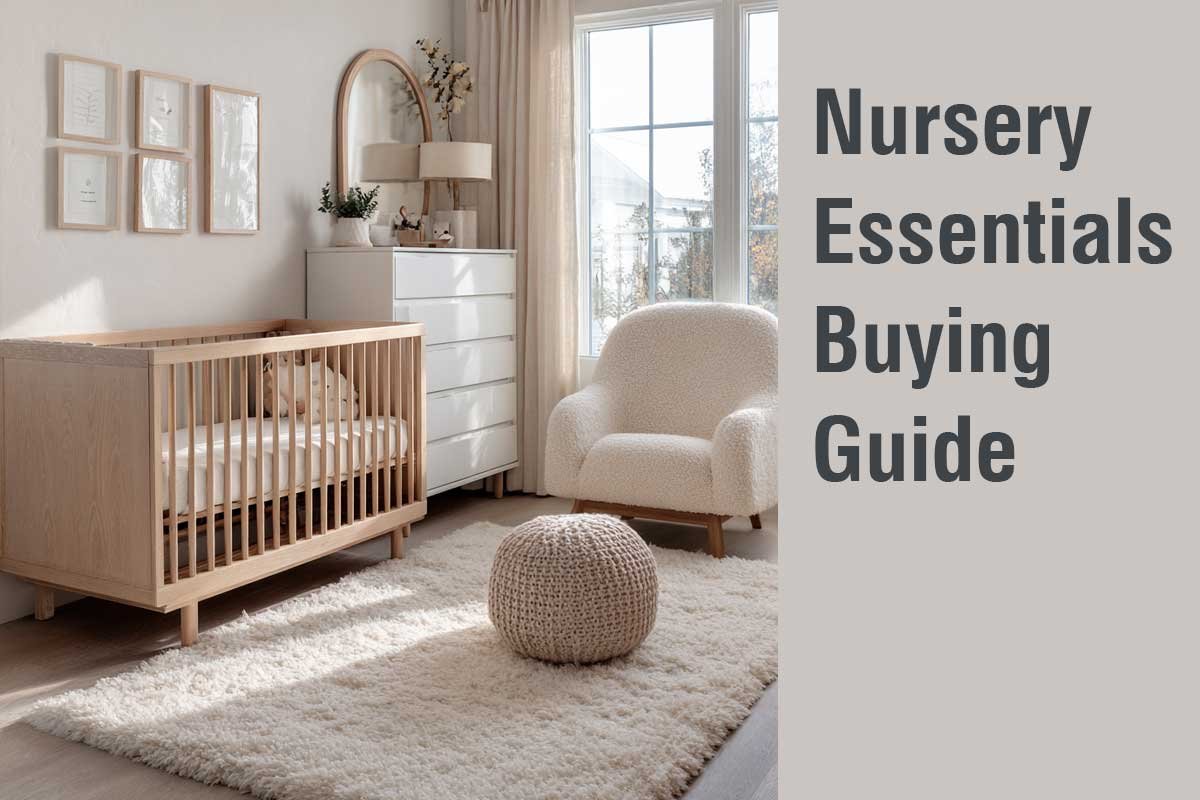
Planning a nursery is one of those beautiful, emotional moments in early parenthood—but it can also feel surprisingly overwhelming. And that’s exactly when a Nursery Essentials Buying Guide becomes your calm, grounding companion. You want your baby’s room to be safe, cozy, and functional, yet the internet is overflowing with checklists that make you feel like you need to buy half the store just to get started. Take a breath—you truly don’t. And that gentle reassurance is why this guide exists.
In this updated Nursery Essentials Buying Guide, we’ll walk through what you actually need for a newborn nursery in 2025, what’s optional, and how to set up a room that works beautifully for real life. We’ll start with safety—your foundation from day one—and then move through the sleep setup, diapering zone, feeding area, and simple storage solutions that make those early months feel calmer and far more manageable. Whether you’re tight on space, working with a budget, or simply unsure where to begin, think of this as your warm, practical roadmap to a nursery that truly supports your baby—and you—every single day.
Step 1 — Nursery Safety Essentials (Start With Safety First)
Before choosing colors, patterns, or the perfect chair, it’s essential to begin with the one thing that matters most in a nursery: safety. Creating a safe environment doesn’t have to be complicated, yet it’s the foundation that every other nursery decision builds on. Let’s break down the essentials simply and clearly.
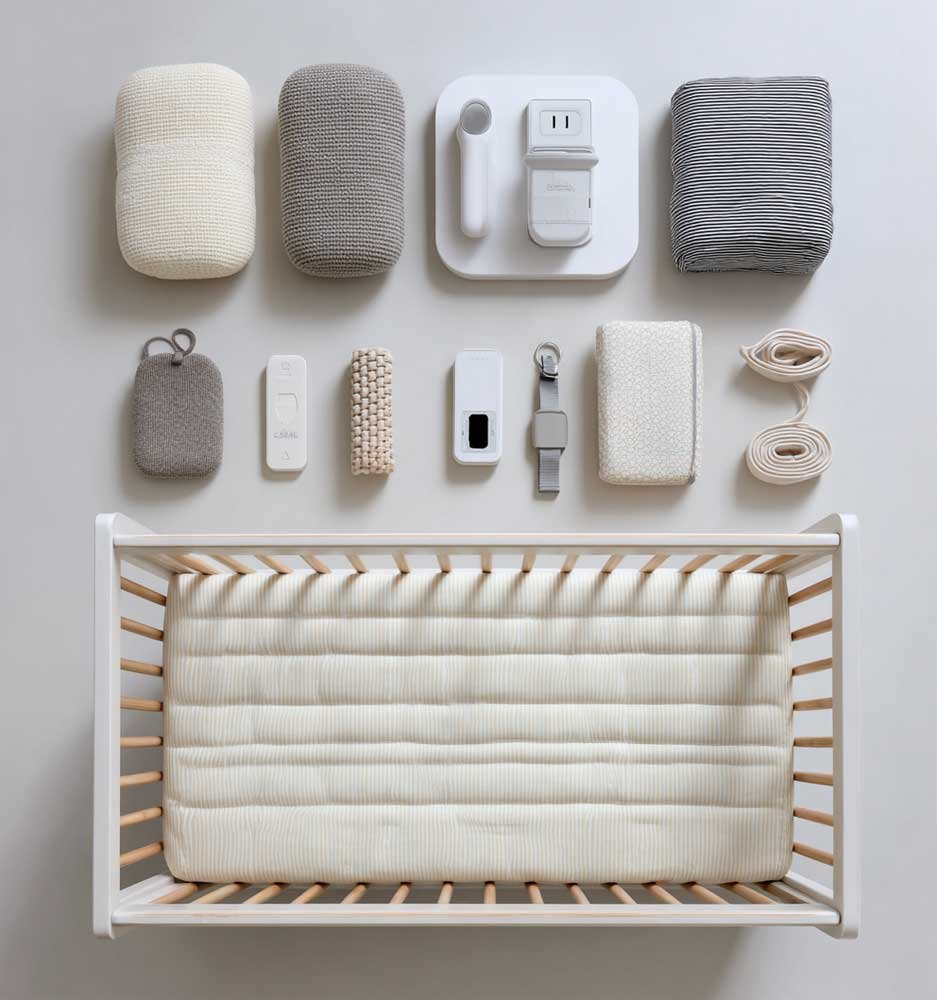
First, choose a crib that meets current CPSC and ASTM standards. This ensures proper slat spacing, structural stability, and compliant finishes. If you prefer extra peace of mind, look for JPMA certification, which adds another layer of third-party testing. Whichever crib you choose, remember the “bare crib rule”: your baby’s sleep space should include only a firm mattress and a snug fitted sheet—no pillows, blankets, bumpers, or plush toys.
Next, let’s talk about cords and furniture. Make sure baby monitor cords, lamp cords, and blind strings are secured and entirely out of reach. Anchor dressers and bookshelves to the wall to prevent tipping—a simple step that dramatically improves safety. If your nursery includes a humidifier or air purifier, place it far from the crib and choose models with auto-shutoff features.
Finally, consider air quality. Paint with low-VOC finishes, allow time for the room to air out, and maintain good airflow with a ceiling fan or open window when weather allows. These small, straightforward choices help create a room that feels calm, clean, and truly ready for your newborn.
Step 2 — Baby Sleep Essentials for a Complete Nursery Setup
Once safety is covered, the sleep setup is the heart of your nursery. Here’s the reassuring truth: you don’t need a dozen products to make this part work. You only need a few essentials—and choosing the right ones will make every naptime and nighttime feel smoother.
Choosing a Crib or Mini Crib (Essential Nursery Decision)
A crib is the one item that anchors the entire nursery. Standard cribs offer the longest lifespan, while mini cribs are perfect for small rooms, apartments, or room-sharing. Whichever size you choose, focus on stability, adjustable mattress heights, and certified low-emission finishes. See our full guide: Best Baby Cribs for Newborns (2025)
Firm, Snug-Fit Mattress
This is non-negotiable. A firm mattress supports safe sleep and proper development. Make sure there’s no more than a two-finger gap between the mattress and the crib frame. For peace of mind, many parents choose GREENGUARD Gold-certified options.
Fitted Sheets: Small but Essential Nursery Items
Soft, breathable sheets that fit tightly are all you need. Aim for at least two or three so you can rotate easily during middle-of-the-night changes.
Optional Add-Ons
These aren’t required, but they can make a difference: a waterproof mattress protector, light-blocking curtains, and a soft-glow nightlight. Keep everything minimal—your baby sleeps safest in a simple, clean setup.
Step 3 — Changing & Diapering Essentials
Diaper changes are one of the most frequent daily tasks during those early months, which means a well-organized changing area can be a lifesaver. Fortunately, setting one up is easier than you might expect.
Changing Table vs Dresser Topper: Essential Nursery Setup Decisions
You don’t need a standalone changing table unless you want one. Many parents prefer using a dresser with a changing topper, which saves space and transitions better as your child grows. Choose a stable topper with a safety strap and keep all essentials within arm’s reach.
Diapers, Wipes & Creams: Everyday Nursery Essentials
Designate a single drawer or basket for diapers, wipes, and rash cream. Keeping everything grouped together makes everyday tasks smoother and reduces clutter. A small basket on top of the dresser can hold “quick-grab” items for nighttime changes.
Diaper Pail
A diaper pail is optional, but if you prefer convenience (especially in apartments), a sealed pail helps control odors and reduces trips to the trash. Consider whether proprietary liners fit your budget long term.
Storage Bins & Caddies: Organization Essentials for Every Nursery
To simplify late-night changes, keep a portable diaper caddy stocked with a few essentials. You can move it around the house during the day or bring it closer to the crib at night. Use labeled bins or small baskets for backups, extra wipes, and travel supplies.
With just a little planning, your diapering station can feel organized, predictable, and calming—exactly what you need during busy newborn days.
🍼 Step 4 — Feeding Essentials (Day & Night)
Feeding—whether you’re nursing, pumping, or formula-feeding—happens around the clock during the newborn stage. Setting up a dedicated, comfortable feeding zone in your nursery can make those long nights gentler for both you and your baby. And the good news is that in a nursery essentials buying guide, your feeding area doesn’t need to be complicated to be effective.
Supportive Nursing or Feeding Chair
A comfortable chair is the heart of this corner. Look for something with good back support, smooth armrests, and a motion you enjoy—gliding, rocking, or swiveling. Since you’ll spend many hours here, choose a durable fabric that’s easy to clean.
Side Table for Essentials
Having a small table within reach makes nighttime feeding much easier. Keep only what you truly need: water, burp cloths, your phone or baby monitor, and maybe a dimmable lamp. This reduces clutter and helps create a calming environment.
Soft, Warm Lighting
A soft nightlight or low-glow lamp prevents overstimulation while giving you enough visibility to feed safely. According to the American Academy of Pediatrics (AAP), keeping the nighttime environment calm supports better sleep patterns for newborns.
Pumping & Bottle Supplies (Optional)
If you’re pumping or bottle-feeding, designate a small basket for bottles, a pump, storage bags, and a cleaning brush. Keeping everything in one spot saves time and helps your nursery feel organized.
With a few thoughtful choices and intentional simplicity, your feeding area becomes a space that supports connection, comfort, and less-stressful nights.
👕 Step 5 — Clothing & Laundry Setup
Baby clothes are adorable—but they’re also tiny, numerous, and surprisingly easy to lose track of. That’s why a smart clothing and laundry layout belongs in every nursery essentials buying guide. When you know exactly where things go, daily routines flow more smoothly.
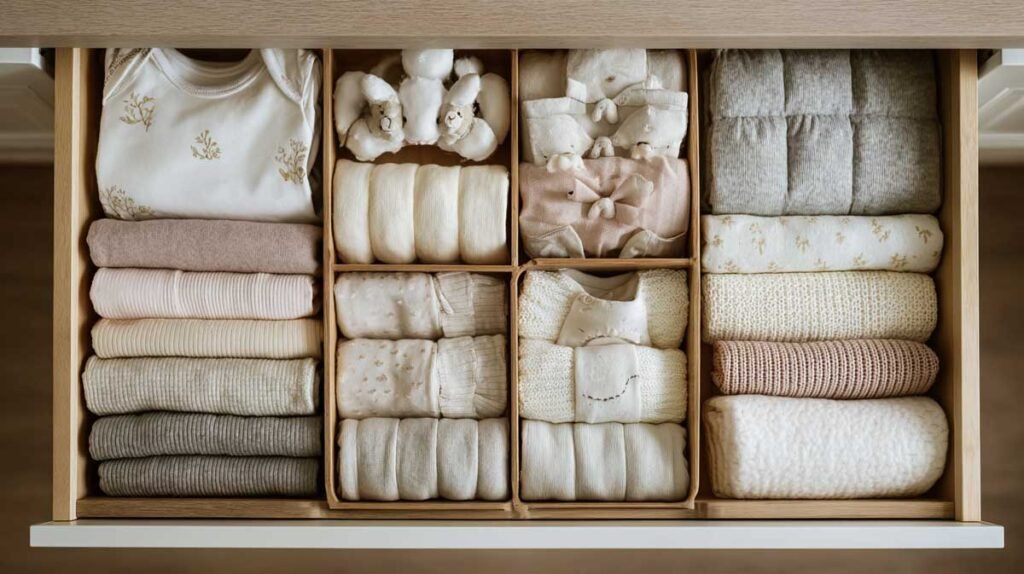
Drawer Organizers: The Nursery Essentials That Keep Clothes Orderly
Because baby clothes are small, regular dresser drawers can quickly become messy. Using drawer organizers or dividers prevents piles from merging and keeps essentials—onesies, sleepers, socks—easy to grab during quick changes.
Closet Dividers: Must-Have Nursery Essentials for Baby Clothing
If your nursery has a closet, add size dividers labeled “0–3M,” “3–6M,” “6–9M,” and so on. This helps you store clothing by stage and instantly see what your baby currently fits into. It also prevents outgrown items from cluttering valuable space.
Baby-Safe Laundry Essentials
Choose a gentle, hypoallergenic detergent formulated for sensitive skin. The U.S. Consumer Product Safety Commission (CPSC) reminds parents that any product used on a newborn’s skin should be free of strong fragrances and irritants.
Laundry Hamper
Place a lightweight hamper near the changing station to streamline diapering and dressing. This simple step reduces mess and keeps the room feeling put-together.
With a clear system for clothing and laundry, your nursery stays organized even on the busiest days—and you spend less time hunting for that one clean onesie.
Step 6 — Storage & Organization (Make It Functional)
A nursery works best when every item has its place. And because newborn essentials multiply quickly, smart storage is one of the most underrated parts of any nursery essentials buying guide. Thoughtful organization reduces frustration, saves time, and helps you manage your space more intentionally.
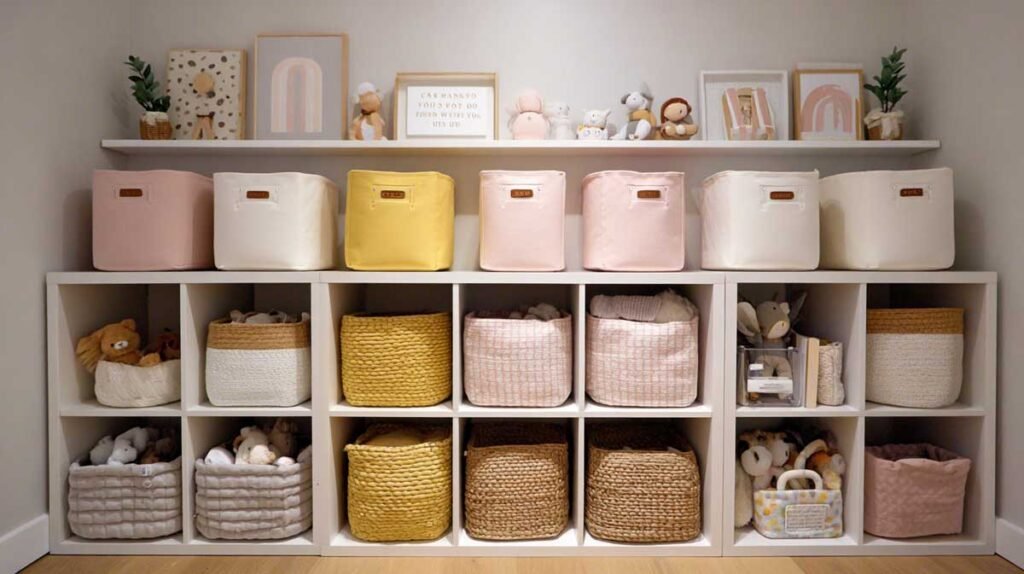
Shelves vs. Dressers
Open shelves are great for books and décor, but closed storage—like dressers—keeps everyday items dust-free and visually tidy. A mix of both often works best. Consider anchoring both to the wall for additional safety.
Internal link suggestion: “How to Arrange Your Nursery Layout” (future supporting article)
Labeled Bins & Baskets
Bins make it easy to categorize extra diapers, blankets, burp cloths, or seasonal clothing. Adding simple labels helps everyone in the household find what they need without asking. Fabric bins are soft, safe, and perfect for toys as your baby grows.
Under-Crib Storage
If you’re short on space, under-crib storage bins are a lifesaver. Use them for bedding backups, out-of-season clothes, or bulk diapers. It’s one of the easiest ways to maximize small rooms.
Minimalist Approach
One of the biggest mistakes new parents make is overbuying. In reality, keeping your nursery uncluttered reduces stress and creates a calming environment for both you and your baby. Aim for “simple but intentional” rather than “packed and decorative.”
With the right storage and organization system, your nursery becomes a space that feels peaceful, predictable, and designed to support everyday parenting with ease.
Step 7 — Nursery Furniture: What’s Essential vs Optional
When you’re setting up a nursery, it’s tempting to think you need every piece of furniture the internet suggests. But in reality, a functional newborn space requires only a few core items. This section of our nursery essentials buying guide breaks down what’s truly essential—and what’s simply nice to have if your budget and space allow.
Essential Furniture
Crib: The foundation of your baby’s room. Prioritize safety certifications and adjustable mattress heights.
🡆 Internal link: Best Baby Cribs for Newborns (2025)
Dresser: A dresser doubles as clothing storage and, with a topper, becomes the perfect changing station. Choose one with sturdy drawers and a stable base that can be anchored to the wall.
Feeding Chair: Whether you prefer rocking, gliding, or a supportive armchair, you’ll spend countless hours here. Comfort, back support, and easy-to-clean fabric make the biggest difference.
Blackout Curtains: These help regulate naps and early-morning wakeups by keeping the room dark and soothing.
Optional Furniture
Changing Table: While optional, standalone changing tables work well if you have extra space. However, dressers with toppers are more versatile long term.
Bookshelf: Lovely for building early literacy habits, though you can start with just a small shelf or basket for the first months.
Ottoman: A soft ottoman adds comfort during night feedings but isn’t essential.
Accent Décor: Items like wall art, mobile designs, or soft rugs add warmth, but simplicity is always the safest choice for a newborn room.
Ultimately, choose furniture that supports function first and style second. Your nursery should feel calm, uncluttered, and ready for everyday life—not staged for a catalog.
Step 8 — Air Quality, Lighting & Comfort
Comfort isn’t just about aesthetics—it’s about creating a healthy, soothing environment that helps your baby sleep and breathe well. That’s why this part of our nursery essentials buying guide focuses on the elements parents often overlook: air quality, lighting, and room comfort.
Air Purifiers & Ventilation
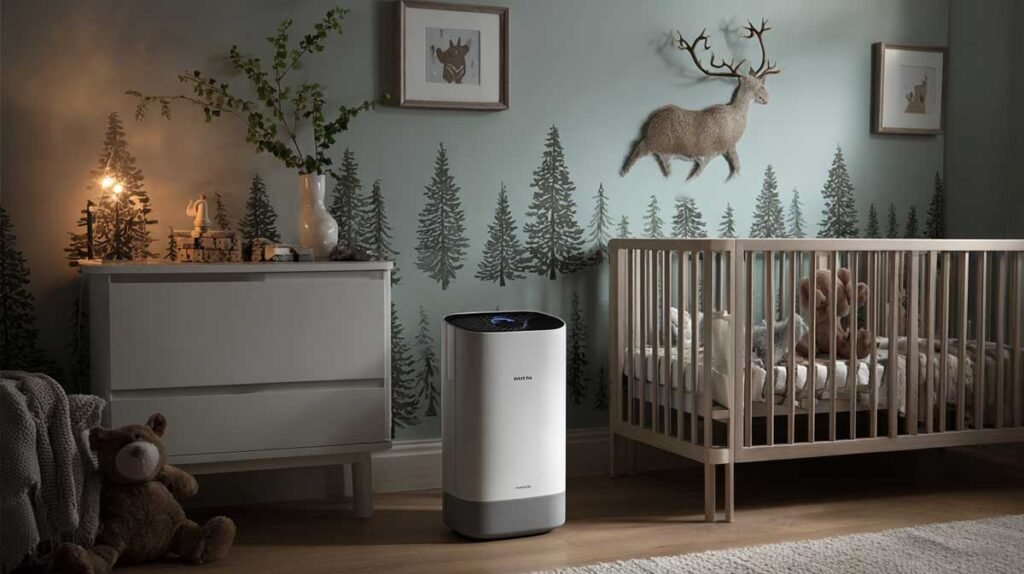
Newborns are especially sensitive to allergens and pollutants. If your home has pets, carpeting, or seasonal allergies, a HEPA air purifier can help maintain cleaner air. The EPA notes that HEPA filtration can reduce common airborne irritants and support healthier indoor environments.
Whenever possible, open windows for fresh airflow (avoiding drafty conditions). Ceiling fans on a low setting improve air circulation and may reduce SIDS risk according to AAP research.
Humidifiers
A cool-mist humidifier helps maintain ideal humidity during dry seasons or when indoor heating is running. Look for automatic shutoff and easy-to-clean models to prevent mold growth.
Lighting Essentials for a Calming Nursery Environment
Soft, warm lighting is essential for nighttime feedings and diaper changes. Dimmable lamps and motion-activated nightlights keep the environment calm. Avoid bright overhead lighting during night wakings, as it can overstimulate your baby.
Creating a Comfortable Nursery Environment
Keep room temperature between 68–72°F, as recommended by pediatric sleep experts. Avoid heavy blankets or overheating—your crib setup should follow the AAP’s “bare crib” rule.
Outbound link: https://www.healthychildren.org
By combining clean air, gentle lighting, and stable temperature, your nursery becomes a peaceful environment where your baby sleeps more soundly—and you feel more at ease.
Step 9 — Nursery Layout: How to Arrange the Room
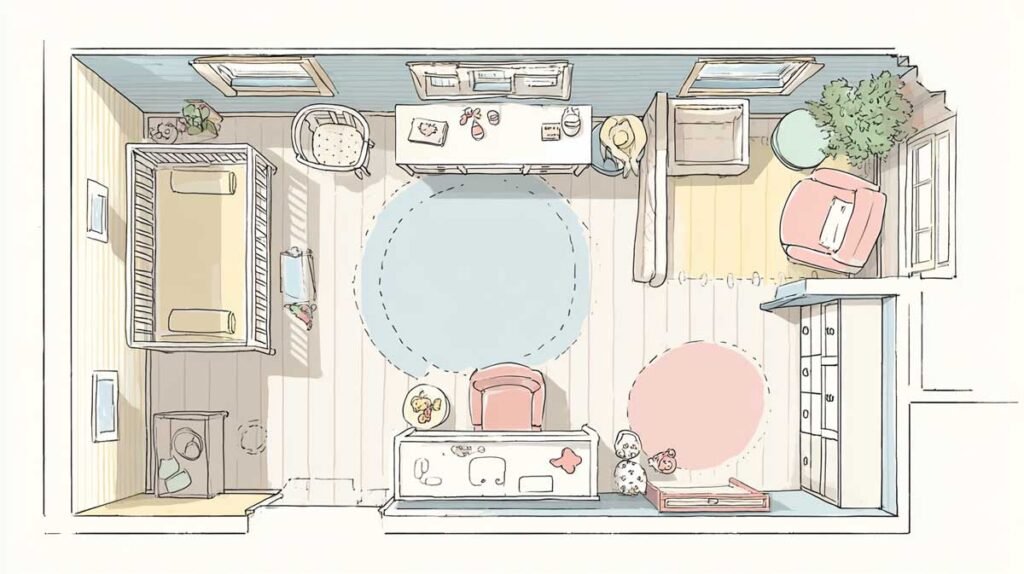
Even if your nursery is small, the right layout can make every routine—feeding, changing, dressing, organizing—feel smoother and more intuitive. This part of our nursery essentials buying guide focuses on creating zones that work together seamlessly.
Safe Sleep Zone: The Heart of Your Nursery Essentials Setup
Place the crib against an interior wall, away from windows, cords, shelving, or radiators. Keep at least several inches of clearance around the crib for airflow. If your space is tiny, position the crib so you have easy access to both sides for sheet changes.
Changing Zone
Your changing setup should be close to both clothing storage and a hamper. Dressers with toppers work beautifully here—everything is accessible in one place. Keep wipes, diapers, and creams in the top drawer for fast, one-handed access.
Feeding Zone Setup: Practical Nursery Essentials for Night Feeds
Place your feeding chair in a quiet corner with soft lighting and easy access to a small side table. If possible, keep it near an outlet for your phone charger or pump. A basket nearby can store burp cloths, swaddles, or extra pajamas.
Storage Zone
Use shelves or low baskets for toys and books. Keep daily-use items at eye level and occasional items higher up. If your nursery has a closet, arrange it with bins, hangers, and dividers to maximize vertical space.
Small-Nursery Tips
If you’re working with a compact room, choose furniture with smaller footprints—like a mini crib and narrow dresser. Under-crib bins, wall-mounted shelves, and corner seating can make a tiny nursery feel surprisingly spacious.
Internal link suggestion: “Backyard Living: Create a Comfortable Outdoor Space” (for cross-category cluster, optional)
A thoughtful layout transforms even the smallest nursery into a calm, functional space that supports you through every stage of early parenthood.
Step 10 — Budget Framework (How to Spend Smart)
Setting up a nursery can feel expensive, especially when every baby registry seems filled with products you “must” buy. But the truth is far simpler: you only need a handful of essentials to create a functional, safe nursery. This part of our nursery essentials buying guide helps you understand exactly where to splurge, where to save, and how to plan a realistic budget without stress.
What to Splurge On
There are two areas worth investing in: a quality crib and a comfortable feeding chair. These pieces last the longest and impact your daily routine the most. A sturdy crib with multiple mattress heights grows with your baby, while a supportive chair offers relief during long nights and early mornings.
What to Save On
Many items truly don’t require a premium price tag. Dressers, changing toppers, storage bins, bedding, and décor can be budget-friendly without sacrificing function. Babies don’t need coordinated sets—just practical pieces that work well.
When to Buy Used (and When Not To)
Dressers, bookshelves, and certain décor are perfectly safe to buy secondhand. However, avoid used cribs unless you can confirm they meet current CPSC/ASTM standards and are free of recalls. Likewise, skip used mattresses, since firmness and hygiene matter too much in the newborn stage.
Budget Tiers
- $300–$600: Minimalist nursery with essential items only
- $600–$1,200: Most popular range; offers comfort and style
- $1,200+: Premium finishes, larger furniture, and optional add-ons
Remember: a functional, calming nursery doesn’t come from how much you buy—it comes from choosing intentionally and keeping things simple.
Nursery Essentials Checklist (Your Complete Buying Guide Summary)
To make your planning even easier, here’s a simple, clutter-free checklist that highlights what you actually need for a newborn. Save it, print it, or use it as a stress-free shopping guide.

Sleep Essentials
- Crib or mini crib (CPSC/ASTM certified)
- Firm, snug-fit crib mattress
- 2–3 fitted sheets
- Waterproof mattress protector (optional)
Diapering Essentials
- Dresser or changing table with topper
- Diapers (newborn + size 1)
- Unscented wipes
- Diaper rash cream
- Portable diaper caddy
- Hamper
- Diaper pail (optional)
Feeding Essentials
- Nursing or feeding chair
- Side table
- Burp cloths
- Soft nightlight
- Bottles and pump supplies (if needed)
Clothing Essentials
- Onesies and sleepers
- Socks and mittens
- Swaddles or sleep sacks
- Seasonal layers
- Gentle laundry detergent
Organization & Storage
- Drawer organizers
- Closet dividers
- Bins and baskets
- Under-crib storage bins
Comfort & Air Quality
- HEPA air purifier (optional)
- Cool-mist humidifier (optional)
- Blackout curtains
- Soft-glow lighting
This checklist keeps things simple and aligned with everything recommended in this nursery essentials buying guide—no clutter, no pressure, just what truly works.
❓ FAQs (Quick, Clear Answers for Parents)
When should I set up the nursery?
Most parents finish the nursery between weeks 28–36 of pregnancy. This gives you enough time to assemble furniture, air out paint, and organize everything without rushing.
Do I really need a changing table?
Not necessarily. Many families use a dresser with a topper, which saves space and transitions into toddler years. Dedicated changing tables are great if you prefer a separate station.
How many sheets do I need?
Two or three fitted sheets are plenty for a newborn. This allows you to rotate them easily during nighttime changes or spit-up incidents.
Are mini cribs safe for newborns?
Yes—mini cribs are safe as long as they meet CPSC and ASTM standards. They’re ideal for small nurseries or room-sharing setups. Just remember that mini crib mattresses are a different size than standard ones.
What should I avoid putting in the crib?
According to the AAP, avoid pillows, blankets, bumpers, toys, and sleep positioners. A firm mattress and fitted sheet are all your baby needs.
Outbound link: https://www.healthychildren.org
How do I know if the nursery is too warm or cold?
Aim for a room temperature of 68–72°F. If you’re unsure, check the back of your baby’s neck—warm is fine, sweaty means too hot.
Which nursery items can I skip?
Most parents can skip wipe warmers, diaper stackers, crib bedding sets, and decorative pillows. They take up space and don’t improve function or safety.
Final Thoughts: How This Nursery Essentials Buying Guide Supports Your First Months
Creating a nursery should feel exciting—not overwhelming. While it’s easy to get lost in endless lists and perfectly staged photos, remember this: your baby needs a safe sleep space, a simple diapering setup, a comfortable feeding area, and a little organization. Everything else is optional.
This nursery essentials buying guide is built around real life—not trends. Focus on safety first, choose a few high-quality items that support your daily routines, and keep the rest minimal. A calm, uncluttered environment helps both you and your baby feel more at ease, especially during those unpredictable early months.
Whether your nursery is spacious or small, budget-friendly or premium, what matters most is that it works for your family. Choose intentionally, stay flexible, and allow the space to grow with your child. You don’t need perfection—you just need a room where you feel confident, supported, and ready for all the beautiful moments ahead.
You’ve got this. And your baby’s nursery? It’s already well on its way to becoming the most comforting room in your home.