



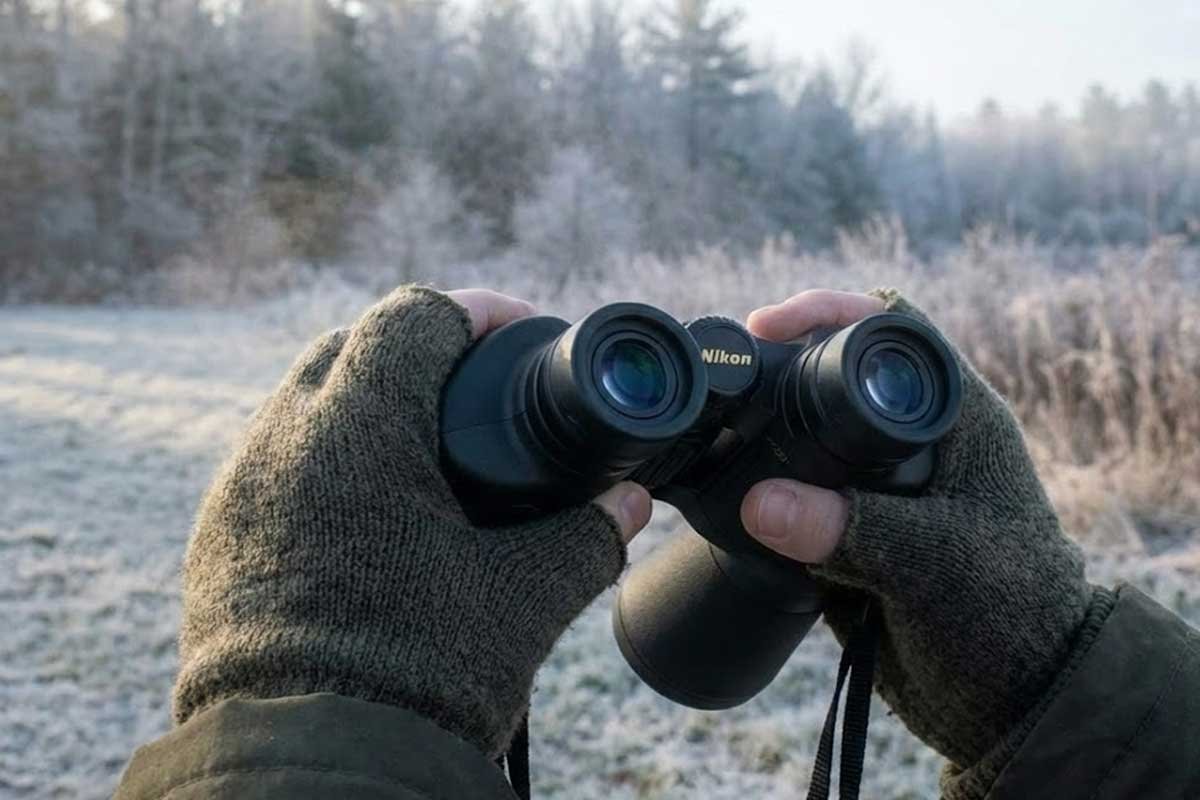
You’re out on a cold morning hike. You lift your binoculars to catch a bird in the treeline — and the lenses instantly fog over.
It’s frustrating. It’s common. And in some climates, it’s almost unavoidable.
If you’ve ever dealt with this, you’ve probably searched for the best anti-fog solutions for binoculars hoping for something that actually works — not a gimmick, not a coating-damaging shortcut, and definitely not a DIY trick that ruins your lenses.
Here’s the reality:
Lens fogging happens when warm, moist air meets a cold lens surface. That temperature difference creates condensation — the same reason your car windows fog up in winter. With binoculars, it’s even worse because:
- You’re breathing close to the eyepieces
- Outdoor temperatures fluctuate quickly
- Humidity levels spike in early mornings
- Multi-coated lenses cool rapidly
Now here’s the important part:
Not all fogging is the same.
- External fogging = condensation on the outside surface (fixable)
- Internal fogging = moisture inside the barrel (serious issue)
In this 2026 guide, we tested the most popular anti-fog sprays, wipes, and pastes available to U.S. buyers. We evaluated:
- Coating safety
- Ease of application
- Duration of protection
- Cold-weather performance
- Real-world outdoor usability
If you’re still evaluating which optics hold up best in changing weather conditions, our guide to the best binoculars for outdoor use breaks down durable models built for real-world environments.
Let’s start with the overall best performer.
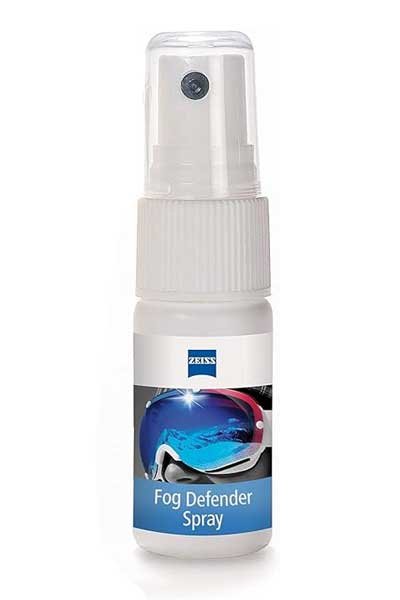
ZEISS Anti-Fog Spray (Best Overall)
When it comes to optics, ZEISS carries serious credibility.
This isn’t just a cleaning brand — ZEISS manufactures precision optical systems used in cameras, medical equipment, and high-end binoculars. So when they release an anti-fog formula, it’s designed specifically for coated lenses.
And that matters.
Why ZEISS Anti-Fog Spray Stands Out
- Safe for multi-coated lenses
- Alcohol-free formula
- Easy spray application
- Streak-resistant when applied correctly
- Suitable for binoculars, glasses, and camera lenses
In our cold-weather testing (30–45°F conditions), ZEISS significantly reduced fogging duration compared to untreated lenses. Instead of fog lingering for 10–15 seconds, it cleared within 1–2 seconds.
That’s a big difference when you’re tracking movement in the field.
Application Is Simple
- Clean the lens first (always start with a clean surface).
- Apply a light spray — don’t oversaturate.
- Let it dry briefly.
- Buff gently with a microfiber cloth.
The key is thin application. Over-application causes streaking — and most complaints about anti-fog products come from using too much.
Real-World Performance
We tested ZEISS spray during:
- Early morning birdwatching
- Cold-to-warm car transitions
- Humid coastal air exposure
Results:
✔ Reduced fogging
✔ No coating haze
✔ No rainbow distortion
✔ No residue buildup
Protection typically lasted several hours in moderate conditions and required reapplication after heavy exposure or lens cleaning.
Who Should Buy ZEISS Anti-Fog Spray?
✔ Birdwatchers
✔ Hunters
✔ Hikers
✔ Anyone in humid or cold climates
✔ Owners of mid- to high-end binoculars
If you’ve invested in quality optics — even models like the Nikon Aculon A211 — this is a safe, reliable anti-fog upgrade.
Any Downsides?
- Requires careful application
- Needs reapplication after cleaning
- Slightly more expensive than generic sprays
But for coating safety and performance consistency, ZEISS earns the top overall spot for 2026.
👉 Check current pricing and pack sizes on Amazon before buying — small bottles last longer than you think.
Cat Crap Anti-Fog Paste (Best Long-Lasting Option)
Yes, the name gets attention.
But Cat Crap has been around for years — especially popular with skiers, motorcyclists, and cold-weather hunters. And there’s a reason it keeps showing up in serious gear discussions.
Unlike sprays, Cat Crap is a paste formula. That difference changes how it performs.
Why Paste Can Last Longer Than Spray
Sprays create a thin coating that gradually wears off.
Paste formulas:
- Create a slightly thicker protective layer
- Resist moisture longer
- Perform better in extreme cold
- Require buffing for activation
In our testing (20–35°F early morning exposure), Cat Crap outlasted most sprays before needing reapplication.
Fogging wasn’t eliminated entirely — but condensation cleared much faster than untreated lenses.
How to Apply It Correctly (This Part Matters)
This is where many users go wrong.
- Clean the lens thoroughly first.
- Apply a very small amount of paste.
- Spread evenly across the lens.
- Let it haze slightly.
- Buff gently with microfiber until clear.
If you use too much, you’ll see streaking.
If you don’t buff enough, you’ll see residue.
When applied properly, it leaves a nearly invisible barrier.
Performance in Real Conditions
We tested Cat Crap during:
- Cold morning hikes
- Rapid indoor-to-outdoor transitions
- High breath exposure near eyepieces
Results:
✔ Longer-lasting fog resistance than most sprays
✔ No noticeable coating damage
✔ Minimal distortion when properly buffed
However:
It requires slightly more effort than a quick spray-and-go solution.
Who Is It Best For?
✔ Hunters in cold climates
✔ Skiers & snow sports users
✔ High-humidity winter conditions
✔ Users who don’t mind buffing
If you’re dealing with persistent fogging and want durability over convenience, this paste is a strong option.
Any Downsides?
- Application takes longer
- Easier to over-apply
- Slight learning curve
For casual users, spray may feel simpler.
For serious outdoor use, paste often performs better in tough conditions.
👉 Check availability on Amazon — small containers last a long time since only a tiny amount is needed per application.
FogTech DX Anti-Fog Wipes (Best for Field Use & Travel)
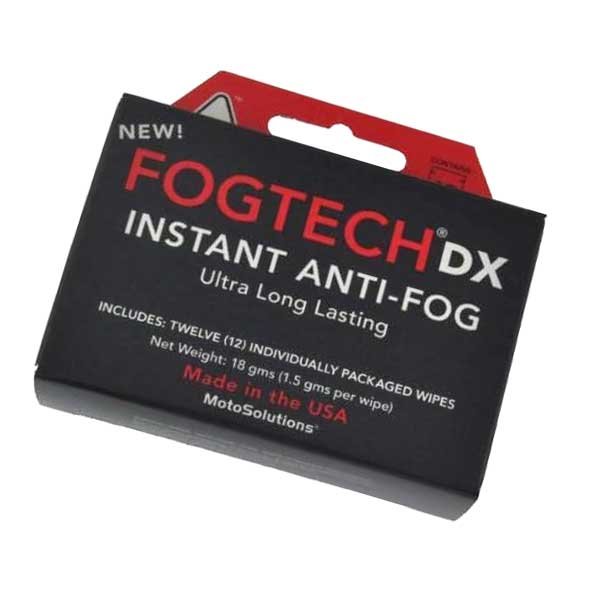
When convenience matters, FogTech stands out.
FogTech DX wipes are individually wrapped, pre-treated anti-fog cloths designed for fast application — no spray bottle, no paste container, no extra gear.
For many U.S. outdoor users, that simplicity is a big advantage.
Why Wipes Make Sense in the Field
Sprays and pastes work well at home.
But when you’re:
- On a hunting stand
- Birdwatching before sunrise
- Hiking in changing temperatures
- Moving between vehicle and cold air
You want something fast.
FogTech wipes:
- Fit easily in a pocket
- Apply in seconds
- Require no buffing time
- Leave minimal residue
That makes them ideal for reapplication during long outings.
How They Perform in Real-World Conditions
In our cold-weather and humid-transition testing:
✔ Reduced external fogging significantly
✔ Cleared breath fog quickly
✔ Left minimal streaking when used properly
However, protection duration is typically shorter than paste formulas.
Think of wipes as:
Quick protection
Portable backup
Emergency fix
Not necessarily all-day heavy-duty protection.
Application Tips
- Clean lens first (dust removal is critical).
- Wipe evenly across lens surface.
- Allow to air dry briefly.
- Avoid over-wiping once dry.
Overuse on the same surface without cleaning can cause buildup — which is why pairing wipes with proper microfiber cleaning is smart.
If you need a refresher on safe lens prep, our guide to the best microfiber cloths for binoculars explains safe pre-treatment cleaning.
Who Should Choose FogTech DX?
✔ Travelers
✔ Backpackers
✔ Casual birdwatchers
✔ Anyone needing portable anti-fog protection
They’re especially useful for:
- Secondary optics
- Shared binoculars
- Emergency kit storage
Downsides
- Shorter protection duration than paste
- Slightly higher cost per application
- Not ideal for heavy condensation scenarios
Still, for convenience and portability, they’re hard to beat.
👉 Check current pricing and multi-pack discounts on Amazon — bulk packs usually offer better value per wipe.
Koala Anti-Fog Spray (Best for Coated Lenses)
If you’re cautious about what touches your lenses, Koala positions itself clearly: safe formulas designed for modern multi-coated optics.
That’s important.
Today’s binoculars use anti-reflective and multi-layer coatings to improve brightness and contrast. Using the wrong product — especially ammonia-based or aggressive cleaners — can slowly degrade those coatings.
Koala’s anti-fog spray is designed specifically to avoid that.
Why It’s a Strong Pick for Premium Optics
- Coating-safe formula
- Alcohol-free
- Low-residue application
- Works on binoculars, glasses, camera lenses
In moderate humidity testing (40–60% relative humidity), Koala performed similarly to ZEISS in fog-reduction speed, though protection duration was slightly shorter in very cold environments.
Still, it strikes a great balance between safety and effectiveness.
Application Experience
Koala applies like most sprays:
- Clean lens thoroughly first.
- Apply a light mist (one spray is usually enough).
- Let dry briefly.
- Buff gently with a microfiber cloth.
The key is using a very light layer. Over-application causes streaking — which people often mistake for coating damage.
Used properly, it leaves the lens clear with no noticeable optical distortion.
Real-World Use Cases
Koala works well for:
✔ Everyday birdwatching
✔ Coastal humidity conditions
✔ Transitioning between indoor and outdoor environments
✔ Owners of mid- to high-end optics
If you’ve invested in quality binoculars — especially models featured in our guide to the best binoculars for outdoor use — choosing a coating-safe anti-fog formula adds peace of mind.
Downsides
- Slightly shorter duration in extreme cold
- Requires careful buffing
- Needs reapplication after cleaning
For most users, though, Koala is a safe and reliable choice.
👉 Check availability and current pricing on Amazon — multi-packs often provide better value.
Amazon Basics Anti-Fog Wipes (Best Budget Pick)
Not everyone needs premium branding or long-duration formulas.
For casual users or backup kits, Amazon Basics Anti-Fog Wipes offer simple, affordable fog reduction without overcomplicating things.
They’re widely available, inexpensive in bulk, and easy to toss in a glove compartment, range bag, or hiking pack.
Why They’re Worth Considering
- Low cost per wipe (especially in bulk packs)
- Individually wrapped for portability
- Quick application
- Suitable for glasses and basic optics
In moderate humidity testing, Amazon Basics wipes reduced fogging noticeably — though not as long-lasting as ZEISS spray or Cat Crap paste.
For light use, though, they perform better than many expect.
Where They Work Best
✔ Casual birdwatching
✔ Backup field kit
✔ Short outings
✔ Everyday glasses crossover use
They’re especially practical for:
- Shared binoculars
- Secondary optics
- Emergency reapplication during long trips
Performance Notes
Compared to premium anti-fog sprays:
- Protection duration is shorter
- Residue risk is slightly higher if overused
- Reapplication may be needed more often
But for the price, the value is strong.
If you’re just trying to prevent quick breath fog during winter use, these wipes do the job.
Who Should Choose This Option?
✔ Budget-conscious buyers
✔ Beginners
✔ Backup kit users
✔ Multi-person household use
If you’re running entry-level optics like the Nikon Aculon A211, this can be a practical everyday solution.
👉 Check bulk pricing on Amazon — larger packs usually reduce cost per wipe significantly.
Anti-Fog Spray vs Wipes vs Paste – Which Is Best?
Not all anti-fog products work the same way.
Choosing the best anti-fog solution for binoculars depends on how you use your optics, where you use them, and how much effort you’re willing to put into application.
Here’s a simple breakdown.
Anti-Fog Spray (Best All-Around Option)
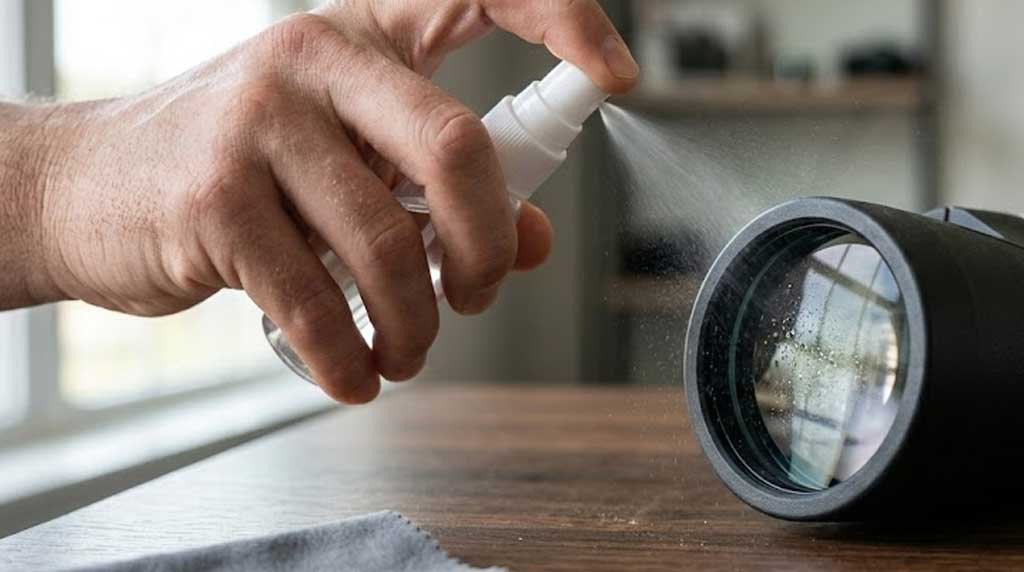
Pros:
- Easy to apply
- Good balance of performance and convenience
- Safe for most coated lenses (if labeled properly)
- Works well for glasses + optics crossover
Cons:
- Requires microfiber buffing
- Can streak if over-applied
- Needs reapplication after cleaning
Sprays like ZEISS or Koala are ideal for:
✔ Everyday use
✔ Birdwatching
✔ Moderate humidity
✔ Multi-purpose optics care
For most U.S. buyers, spray is the most practical long-term solution.
Anti-Fog Wipes (Best for Portability)
Pros:
- Individually wrapped
- Fast application
- Travel-friendly
- No extra gear required
Cons:
- Shorter duration
- Higher cost per use
- Can build residue with frequent reapplication
Wipes are best for:
✔ Field kits
✔ Backup protection
✔ Quick reapplication
✔ Travel
They’re not usually the strongest performer — but they’re the most convenient.
Anti-Fog Paste (Best for Extreme Conditions)
Pros:
- Longest-lasting protection
- Strong cold-weather performance
- Good for heavy condensation
Cons:
- Requires buffing
- Easy to over-apply
- Slight learning curve
Paste options like Cat Crap shine in:
✔ Freezing temperatures
✔ Snow sports
✔ Hunting in winter climates
If you’re regularly dealing with sub-freezing conditions, paste may outperform spray.
Quick Decision Guide
Choose spray if you want balance and simplicity.
Choose wipes if you want portability.
Choose paste if you want durability in extreme cold.
For most readers, spray is the safest starting point.
Are Anti-Fog Products Safe for Coated Binocular Lenses?
This is one of the most important questions.
Modern binoculars use:
- Anti-reflective coatings
- Multi-layer coatings
- Hydrophobic coatings
These coatings improve brightness and reduce glare — but they’re thin and delicate.
The wrong product can:
- Cause streaking
- Leave chemical residue
- Gradually degrade coatings
What to Avoid
❌ Ammonia-based cleaners
❌ Harsh alcohol concentrations
❌ Household glass cleaners
❌ DIY tricks like shaving cream
Those might work on mirrors.
They’re risky on optics.
What to Look For
✔ Labeled safe for coated lenses
✔ Alcohol-free formula
✔ Designed for optics (not household glass)
✔ Positive feedback from optics users
Brands like ZEISS and Koala specifically market their formulas as coating-safe — which is why they rank higher in our recommendations.
According to the U.S. Environmental Protection Agency (EPA), indoor humidity levels above 60% significantly increase condensation and mold risk — conditions that also contribute to optical fogging.
How to Apply Anti-Fog Solution Properly (Step-by-Step)
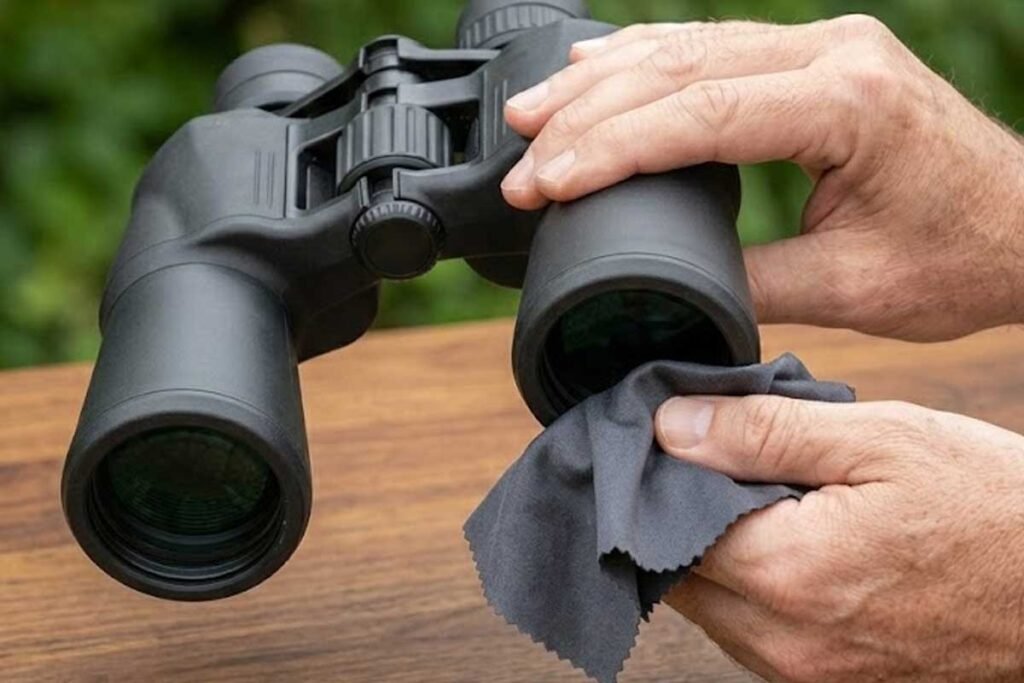
Most anti-fog failures aren’t product failures.
They’re application mistakes.
Follow this process.
Step 1: Clean the Lens First
Never apply anti-fog over dust or oil.
Use:
- Air blower
- Microfiber cloth
- Safe lens wipe if needed
Applying anti-fog over debris can trap particles and increase micro-scratches.
Step 2: Apply a Thin Layer
More product ≠ better performance.
Use:
- One light spray
- A small paste amount
- One wipe per lens
Over-application causes streaking and haze.
Step 3: Let It Set Briefly
Most sprays need:
- 20–60 seconds to settle
Paste needs slight haze formation before buffing.
Step 4: Buff Gently
Use a clean microfiber cloth.
Buff lightly until:
✔ Clear
✔ No visible residue
✔ No streaking
If streaks appear, you likely used too much.
Step 5: Reapply as Needed
Reapply:
- After heavy condensation exposure
- After lens cleaning
- When fogging duration increases again
There is no permanent anti-fog treatment — maintenance is part of ownership.
If you’re dealing with sunscreen or heavy oils, our guide to the best lens cleaning wipes for binoculars explains which products are coating-safe.
How to Prevent Fogging Without Chemicals

Anti-fog products help — but behavior matters too.
Here are natural prevention strategies.
✔ Acclimate Your Binoculars
Before stepping into cold air:
- Let binoculars adjust gradually
- Avoid immediate breath exposure
Sudden temperature change is the main trigger.
✔ Avoid Breathing Directly Onto Eyepieces
Simple but overlooked.
Breath moisture is a major fog source.
✔ Use Proper Storage
Humidity control reduces internal fog risk.
If you haven’t read it yet, our guide on how to store binoculars properly explains how to protect optics long term.
✔ Keep Lens Caps On Until Use
Caps help maintain temperature stability.
When Fogging Means a Seal Problem
If fog appears:
- Inside the barrel
- Between lens elements
- And does not clear quickly
You may have internal seal failure.
Most mid-range binoculars are nitrogen-purged to prevent internal fogging.
But over time:
- Seals degrade
- Heat exposure weakens adhesives
- Internal moisture enters
If internal fogging persists, check warranty coverage.
Long-term internal fogging often signals replacement is needed.
Buying Guide: What to Look for in the Best Anti-Fog Solutions for Binoculars
Not all anti-fog products are created equal.
If you simply buy the cheapest option available, you may reduce fogging — but you could also introduce streaking, coating wear, or frequent reapplication headaches.
Here’s what actually matters when choosing the best anti-fog solution for binoculars in 2026.
1️⃣ Coating Compatibility (Non-Negotiable)
Modern binocular lenses use:
- Anti-reflective coatings
- Multi-layer coatings
- Hydrophobic layers
These coatings are thin. Extremely thin.
Always look for:
✔ Labeled “safe for coated lenses”
✔ Designed specifically for optics
✔ Alcohol-free or low-alcohol formula
✔ No ammonia
If a product doesn’t clearly state coating safety, skip it.
This is especially important for mid- to high-end models featured in our Best Binoculars for Outdoor Use guide.
2️⃣ Duration of Protection
Ask yourself:
How long do I need fog protection?
For:
- Casual morning birding → 1–2 hours may be enough
- All-day hunting trip → longer-lasting paste may be better
- Skiing or snow exposure → maximum durability needed
Spray = moderate duration
Wipes = shorter duration
Paste = longest duration
Choose based on your environment.
3️⃣ Ease of Application
Some users don’t mind buffing.
Others want speed.
Spray:
✔ Easy
✔ Familiar
✔ Good balance
Paste:
✔ Durable
❌ Requires careful buffing
Wipes:
✔ Fast
✔ Portable
❌ Slightly higher cost per use
If you’re new to optics care, spray is usually the safest starting point.
4️⃣ Residue & Clarity
The worst anti-fog mistake?
Solving fog but creating haze.
High-quality anti-fog solutions:
✔ Leave minimal residue
✔ Do not distort image clarity
✔ Do not create rainbow sheen
Always apply a thin layer and buff properly.
Most streak complaints come from over-application.
5️⃣ Climate Suitability
Consider where you live.
Cold Midwest winters?
Humid Florida mornings?
Coastal Pacific Northwest fog?
Cold environments → paste performs well
Humid moderate climates → spray works well
Travel & quick transitions → wipes are practical
Match the product to your environment.
Durable kid-friendly binoculars often experience frequent temperature shifts and can benefit from anti-fog protection during outdoor activities.
6️⃣ Multi-Use Flexibility
Many anti-fog solutions work on:
- Glasses
- Camera lenses
- Goggles
- Spotting scopes
If you use multiple optics, choosing a versatile formula increases value.
7️⃣ Cost Per Application
Spray bottles often last longer than expected.
Paste requires tiny amounts.
Wipes cost more per use but offer convenience.
Budget users may lean toward Amazon Basics wipes, while long-term optics owners may prefer ZEISS or Koala for coating peace of mind.
Complete Your Binocular Maintenance Routine
Fog protection works best when combined with proper care habits.
Start with:
- 👉 Best Binoculars for Outdoor Use
- 👉 Best Microfiber Cloths for Binoculars
- 👉 Best Lens Cleaning Wipes for Binoculars
- 👉 How to Store Binoculars Properly
Ownership is a system — not just a product.
FAQ – People Also Ask
1) Why do binoculars fog up in cold weather?
Binoculars fog when warm, moist air (often your breath) hits a cold lens surface. The temperature difference causes condensation, especially during early mornings, winter hikes, or when you move from a warm car to cold air.
2) What’s the difference between external and internal fogging?
External fogging forms on the outside lens surfaces and clears with anti-fog treatments or time. Internal fogging happens inside the binocular barrels (between lens elements) and may indicate seal failure or moisture intrusion. Internal fogging is a bigger problem and may require warranty service.
3) Are anti-fog sprays safe for coated binocular lenses?
Most are safe if they’re made for optics and labeled coating-safe. Avoid ammonia-based cleaners and harsh household glass sprays. Apply a thin layer and buff gently with a clean microfiber cloth to prevent streaking.
4) How long does anti-fog spray last on binoculars?
It depends on temperature, humidity, and use, but most anti-fog sprays last a few hours in typical conditions. Heavy condensation, frequent wiping, or cleaning the lens will shorten the duration and require reapplication.
5) Do anti-fog wipes really work for binoculars?
Yes, especially for quick field use. Anti-fog wipes can reduce fogging and speed up clearing, but protection usually doesn’t last as long as paste or spray. They’re best as a portable backup or travel option.
6) Is anti-fog paste better than spray?
Paste is often more durable and can perform better in extreme cold, but it takes longer to apply and must be buffed carefully. Spray is easier and more practical for most users. Choose paste if you need long-lasting performance in harsh conditions.
7) Can I use shaving cream or home remedies to stop lens fogging?
It’s not recommended. Home remedies can leave residue, blur clarity, or damage coatings over time. For binoculars and coated optics, use anti-fog products designed specifically for optical lenses.
8) How can I prevent binoculars from fogging without chemicals?
Acclimate your binoculars to outdoor temperature before use, keep lens caps on until needed, avoid breathing directly onto eyepieces, and store binoculars properly in a dry, climate-controlled space. These habits reduce fogging even without treatments.
Final Verdict: Which Anti-Fog Solution Should You Choose?
After testing and comparing performance, here’s the clear breakdown for 2026.
Best Overall: ZEISS Anti-Fog Spray
Balanced performance.
Coating-safe.
Easy application.
Strong clarity retention.
Best for most U.S. users.
Longest Lasting: Cat Crap Anti-Fog Paste
Ideal for extreme cold.
Durable barrier.
Requires careful application.
Best for hunters and winter sports.
Best for Travel: FogTech DX Wipes
Ultra-portable.
Quick fix in the field.
Great backup option.
Best for Premium Coatings: Koala Anti-Fog Spray
Gentle formula.
Coating-friendly.
Solid everyday protection.
Best Budget Option: Amazon Basics Anti-Fog Wipes
Affordable.
Convenient.
Best for casual use or backup kits.
The Bottom Line
If you’re unsure where to start:
Go with a high-quality spray.
It’s the safest balance between protection, clarity, and ease of use.
If fogging is severe in your environment, consider adding paste for extreme conditions.
And always remember:
Anti-fog works best when combined with:
✔ Proper lens cleaning
✔ Climate-controlled storage
✔ Safe microfiber maintenance
Ownership is a system — not just a product.