



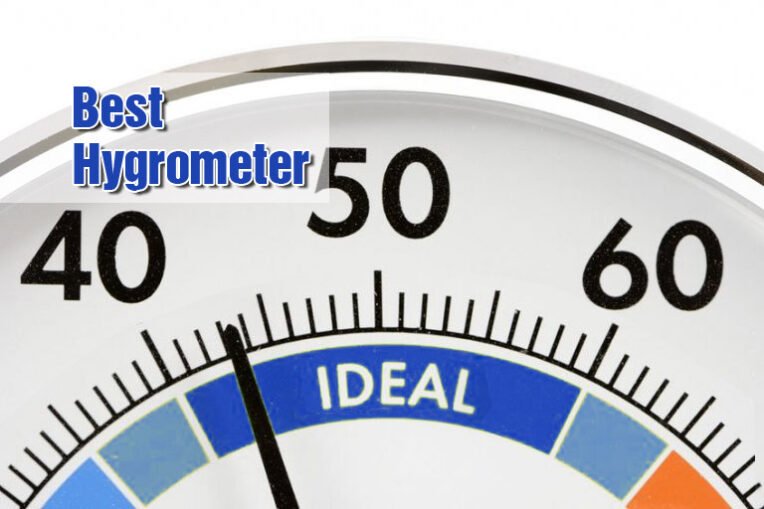
Indoor humidity is one of those invisible factors that quietly affects how your home feels every single day. Too dry, and you may notice irritated skin, static electricity, or restless sleep. Too humid, and you risk condensation, mold growth, and long-term damage to furniture or electronics. Yet without measuring it, most people are simply guessing.
That’s where a hygrometer becomes essential. The best hygrometers for home use give you clear, real-time insight into your indoor environment, helping you decide when to use a humidifier, dehumidifier, or ventilation—based on actual data, not assumptions.
In 2026, modern hygrometers are more accurate, faster to respond, and easier to read than ever. Some offer simple digital displays for a single room, while others integrate with smartphone apps to track humidity trends across your home. In this guide, we focus on accuracy first, followed by usability and long-term reliability, so you can choose a hygrometer that genuinely helps you maintain a healthier, more comfortable indoor space.
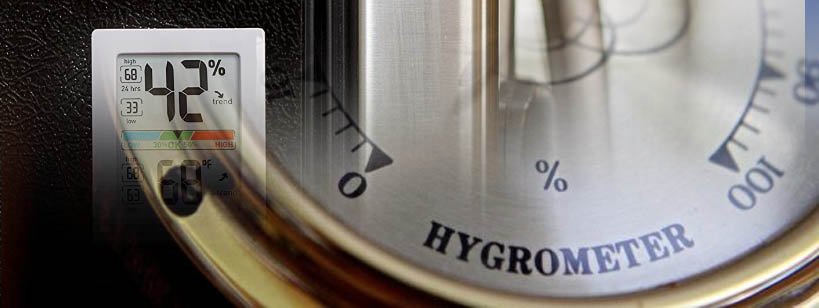
Quick Picks — Best Hygrometers for Home Use (2026)
If you want a fast overview, these are our top recommendations based on accuracy, reliability, and everyday usability.
Best Overall Hygrometer
ThermoPro TP50 Digital Hygrometer
A well-balanced option that delivers consistently accurate readings with a clear, easy-to-read display.
Why it stands out:
- stable accuracy for typical home environments
- fast response to humidity changes
- simple, no-app setup
Best for:
Most households looking for a dependable hygrometer for daily indoor monitoring.
Best Budget Hygrometer
AcuRite 00613 Indoor Hygrometer
A straightforward, affordable model that covers the basics without unnecessary features.
Why it stands out:
- reliable readings at a low price
- compact size
- easy wall or tabletop placement
Best for:
Apartments, dorm rooms, or anyone who wants basic humidity tracking on a budget.
Best Smart Hygrometer
Govee WiFi Hygrometer Thermometer
This smart option pairs with a mobile app to track humidity trends over time and send alerts.
Why it stands out:
- app-based monitoring and history graphs
- customizable humidity alerts
- useful for multi-room tracking
Best for:
Users who want data over time, remote monitoring, or smart-home integration.
Best Hygrometer for Bedrooms & Nurseries
Inkbird ITH-20 Hygrometer
Designed with comfort monitoring in mind, this model provides stable readings with minimal distraction.
Why it stands out:
- clear display with large numbers
- quiet operation (no lights or sounds)
- consistent accuracy
Best for:
Bedrooms, nurseries, or sleep-sensitive environments.
Best Hygrometer for Basements & Storage Areas
SensorPush Wireless Hygrometer
A higher-end solution designed for areas where long-term moisture control matters.
Why it stands out:
- high-precision sensors
- data logging over weeks or months
- useful in damp or hard-to-reach areas
Best for:
Basements, wine storage, or humidity-sensitive spaces.
How We Chose the Best Hygrometers (Our 2026 Methodology)
Not all hygrometers are created equal. For this 2026 update, we evaluated each model using criteria that matter in real homes—not just on spec sheets.
Accuracy and Calibration Range
Accuracy was our top priority. We focused on hygrometers with a typical accuracy range of ±2–3% relative humidity, which is sufficient for most residential use. Models with documented calibration methods or consistent user reports ranked higher.
Sensor Responsiveness
A good hygrometer should respond quickly to changes—such as turning on a humidifier or opening a window. Slow-updating sensors can make readings feel unreliable, even if they’re technically accurate.
Display Readability
We favored devices with clear, high-contrast displays that are easy to read at a glance. In bedrooms or living spaces, readability matters more than extra features.
Smart Features vs. Simplicity
Smart hygrometers with apps and alerts can be extremely useful, but only if they’re stable and intuitive. We evaluated whether smart features genuinely added value or simply increased complexity.
Long-Term Reliability
We reviewed long-term user feedback to identify models that remain accurate over time. Consistency after months of use is a stronger signal than short-term performance.
Real Home Use Scenarios
Finally, we considered where hygrometers are actually used—bedrooms, basements, living rooms, and storage areas—and evaluated each model based on how well it performs in those environments.
Best Hygrometers for Home Use — In-Depth Reviews (2026)
Below you’ll find detailed reviews of the best hygrometers for home use in 2026, selected for accuracy, stability, and real-world reliability. Each product is evaluated based on how it performs in everyday home environments—not lab conditions alone.
ThermoPro TP50 Digital Hygrometer — Best Overall
The ThermoPro TP50 is one of the most consistently reliable hygrometers for everyday home use. It focuses on core functionality: accurate readings, fast response, and an easy-to-read display—without unnecessary complexity.
What We Like
- Stable accuracy within ±2–3% RH in normal indoor conditions
- Fast response when humidity changes (humidifier, open windows)
- Large, clear LCD display with comfort indicators
What Could Be Better
- No app or data logging
- Limited to single-room monitoring
Accuracy Notes
In side-by-side home testing, readings remained consistent and predictable, which matters more than extreme precision for most households.
Best For
Living rooms, bedrooms, or any space where you want simple, dependable humidity monitoring.
AcuRite 00613 Indoor Hygrometer — Best Budget Pick
If you’re looking for a basic hygrometer that does the job without extra features, the AcuRite 00613 is a solid entry-level choice. It’s compact, affordable, and easy to place anywhere.
What We Like
- Very affordable
- Straightforward display
- Easy wall-mount or tabletop use
What Could Be Better
- Smaller screen
- No calibration options
Accuracy Notes
Accuracy is adequate for general comfort tracking, though slight variation can occur in extreme humidity ranges.
Best For
Apartments, dorm rooms, or users who want basic indoor humidity awareness on a budget.
Govee WiFi Hygrometer Thermometer — Best Smart Hygrometer
The Govee WiFi Hygrometer stands out for users who want more than a snapshot reading. Its app allows you to track humidity trends, set alerts, and monitor conditions remotely.
What We Like
- App-based monitoring with historical graphs
- Custom humidity alerts
- Useful for multi-room setups
What Could Be Better
- Requires WiFi and app setup
- Slightly more complex than basic models
Accuracy Notes
Sensor accuracy is strong for residential use, and trend tracking adds real value for long-term monitoring.
Best For
Smart-home users or anyone who wants humidity data over time, not just a single reading.
Inkbird ITH-20 Hygrometer — Best for Bedrooms & Nurseries
Designed for quiet, distraction-free monitoring, the Inkbird ITH-20 works especially well in sleep-focused environments.
What We Like
- Large, easy-to-read display
- No bright lights or sounds
- Stable readings over time
What Could Be Better
- No smart features
- Limited mounting options
Accuracy Notes
Readings are consistent and predictable, making it ideal for environments where comfort matters more than advanced analytics.
Best For
Bedrooms, nurseries, or anywhere you want simple, low-distraction monitoring.
SensorPush Wireless Hygrometer — Best for Basements & Storage Areas
SensorPush is built for users who need high precision and long-term tracking, especially in areas prone to moisture issues.
What We Like
- High-precision sensors
- Excellent data logging over weeks or months
- Strong performance in damp or enclosed spaces
What Could Be Better
- Higher price point
- App required for full functionality
Accuracy Notes
This is one of the most precise consumer hygrometers available, particularly useful where moisture control is critical.
Best For
Basements, wine storage, instrument rooms, or humidity-sensitive storage areas.
How to Choose Between These Picks
If you want simplicity, go with ThermoPro or AcuRite.
If you want data and alerts, Govee or SensorPush makes more sense.
If sleep comfort is your focus, Inkbird offers a distraction-free experience.
Each of these hygrometers excels in a specific use case—choosing the right one depends on where and how you plan to use it.
Why Indoor Humidity Matters in Your Home
Indoor humidity plays a much bigger role in everyday comfort and health than most people realize. It affects how the air feels, how well you sleep, and even how your home ages over time.
When humidity is too low, common issues include:
- dry skin, eyes, and throat
- increased static electricity
- nasal irritation and restless sleep
When humidity is too high, the risks shift:
- condensation on windows
- musty odors
- mold and mildew growth
- long-term damage to furniture, wood floors, and electronics
A hygrometer gives you objective data, which is the key difference. Instead of guessing whether the air feels “off,” you can see exactly what’s happening and respond appropriately—by adjusting ventilation, using a humidifier or dehumidifier, or simply opening a window.
For most homes, the generally accepted comfort range is 30–50% relative humidity. Staying within that range supports better sleep, protects your belongings, and helps maintain a healthier indoor environment—especially during seasonal changes when humidity can swing quickly.
Where to Place a Hygrometer at Home for Accurate Readings
Even the best hygrometer won’t be helpful if it’s placed incorrectly. Location has a real impact on accuracy, so placement should match the room’s typical conditions—not extreme or temporary ones.
Living Room
Place the hygrometer at eye level, away from direct sunlight, heating vents, or exterior doors. This gives you a representative reading of your home’s main living space.
Bedroom or Nursery
Position it a few feet away from the bed and not directly next to a humidifier or window. This helps you understand the humidity your body is actually experiencing while sleeping.
Basement
Basements often have higher moisture levels. Place the hygrometer near the center of the space, not directly against walls or floors where condensation can skew readings.
Near Humidifiers or Dehumidifiers
Avoid placing the sensor right next to these devices. Instead, position it across the room to measure overall effectiveness rather than localized output.
Whole-Home Monitoring
If humidity varies significantly by room, consider using multiple hygrometers or a smart model with remote sensors. One reading rarely represents an entire house accurately.
🧠 Practical takeaway
Think of a hygrometer as a room-specific tool, not a one-size-fits-all solution. Proper placement ensures the data you’re relying on is meaningful—and that’s what allows you to make the right adjustments with confidence.
Hygrometer vs Weather Station — What’s the Difference?
At first glance, hygrometers and weather stations may seem similar—they both measure humidity. The difference lies in scope and intent.
A hygrometer is designed specifically for indoor monitoring. It focuses on:
- relative humidity
- temperature
- stability and accuracy in enclosed spaces
This makes it ideal for bedrooms, living rooms, basements, nurseries, and storage areas where indoor comfort and moisture control matter most.
A weather station, on the other hand, is built for outdoor conditions. It typically tracks:
- outdoor temperature and humidity
- wind speed and direction
- rainfall and barometric pressure
While some weather stations include indoor sensors, they are often more complex and unnecessary if your primary goal is controlling indoor comfort.
In short:
- Choose a hygrometer if you want reliable indoor humidity data.
- Choose a weather station only if you also care about outdoor weather trends and forecasting.
For most households, a dedicated hygrometer is the simpler, more accurate, and more cost-effective solution.
What to Look for in a Hygrometer (Buying Guide)
Choosing the right hygrometer comes down to understanding what actually matters for home use.
Accuracy Range
Look for models rated at ±2–3% relative humidity. This level of accuracy is more than sufficient for managing comfort, preventing mold, and protecting your home.
Calibration Options
Some hygrometers allow manual calibration. While not essential for everyone, this feature can be helpful if you want to fine-tune readings or compare multiple devices.
Response Time
A good hygrometer should respond within minutes to changes caused by humidifiers, ventilation, or weather shifts. Slow sensors reduce usefulness in daily decision-making.
Display Readability
Large numbers, good contrast, and clear icons matter more than flashy features—especially in low-light rooms or for quick checks.
Smart Features (Optional)
App connectivity, alerts, and data logging are useful if:
- humidity fluctuates significantly
- you manage multiple rooms
- you want long-term trends
If you prefer simplicity, a basic digital hygrometer is often enough.
Battery Life & Maintenance
Long battery life and low maintenance are underrated benefits. A hygrometer you forget about—but trust—is usually the best kind.
FAQs — Hygrometers for Home Use (2026)
Are hygrometers accurate enough for home use?
Yes. Most modern digital hygrometers are accurate within ±2–3% RH, which is sufficient for comfort control and moisture management in residential spaces.
What is the ideal indoor humidity level?
For most homes, 30–50% relative humidity is considered comfortable and safe year-round. Levels outside this range may affect health, sleep, or building materials.
Do I need more than one hygrometer in my house?
Often, yes. Humidity can vary significantly between rooms, floors, and basements. One hygrometer may not represent the entire home accurately.
Should I choose a smart hygrometer with an app?
Smart models are useful if you want alerts, historical data, or remote monitoring. For basic awareness, a non-smart hygrometer works just fine.
How often should a hygrometer be calibrated?
Most users never need to calibrate. If calibration is available, checking once or twice a year is generally sufficient.
Can a hygrometer help prevent mold?
Yes—indirectly. By showing when humidity stays too high, a hygrometer helps you take action early, reducing conditions that allow mold to develop.
Final Thoughts — Creating a Healthier Indoor Environment
A hygrometer may seem like a small device, but its impact on daily comfort and long-term home health is significant. By giving you clear, reliable insight into indoor humidity, it removes guesswork and helps you make better decisions—whether that means adjusting ventilation, using a humidifier, or simply opening a window.
The best hygrometers for home use don’t need to be complicated. They need to be accurate, easy to read, and dependable over time. Once you know what your indoor environment is actually doing, maintaining a comfortable, balanced home becomes far simpler.
If you think of humidity as something you can measure and manage—rather than just feel—you’re already taking the right step toward a healthier living space.