


Last reviewed to reflect current US safety guidelines and real-life parent needs.
Preparing for a newborn is one of those moments that feels both exciting and overwhelming — often at the same time. If you’re staring at long shopping lists and wondering what you actually need, take a breath. You’re not behind, and you don’t need to buy everything at once.
This newborn essentials checklist is designed to help new parents focus on what truly matters in those early weeks — the items that support safety, comfort, and everyday routines. We’ll walk through the must-haves first, gently point out what’s optional, and share practical tips that make life easier without adding pressure.
Think of this guide as a calm starting point. You can build slowly, adjust as you go, and choose what fits your home, space, and budget. Most parents find that once the basics are covered, everything else falls into place more naturally.
Looking for a complete overview first?
Explore our full Best Baby Gear for New Parents guide .
1. How This Newborn Essentials Checklist Works
Before diving into products, it helps to understand how to use this checklist in a realistic way — especially if this is your first baby.
This guide is built around three simple ideas:
Focus on safety first
Newborn needs don’t change much from year to year. A safe sleep setup, basic feeding tools, and a few health essentials will cover most daily needs. Everything else can be added later if it truly supports your routine.
Separate “must-haves” from “nice-to-haves”
You’ll see this distinction throughout the checklist.
Must-haves are items most parents rely on daily in the first weeks.
Nice-to-haves can be helpful — but they’re not urgent.
Adapt the checklist to your space
Living in an apartment, sharing a room, or keeping things minimal is completely fine. Many families choose bassinets instead of cribs at first, or use portable changing pads instead of full furniture. The goal isn’t perfection — it’s practicality.
2. Baby Gear Essentials (Must-Haves)
Baby gear forms the foundation of your newborn setup. These are the items most parents use every single day — especially for sleep, rest, and basic care.
Crib or Bassinet
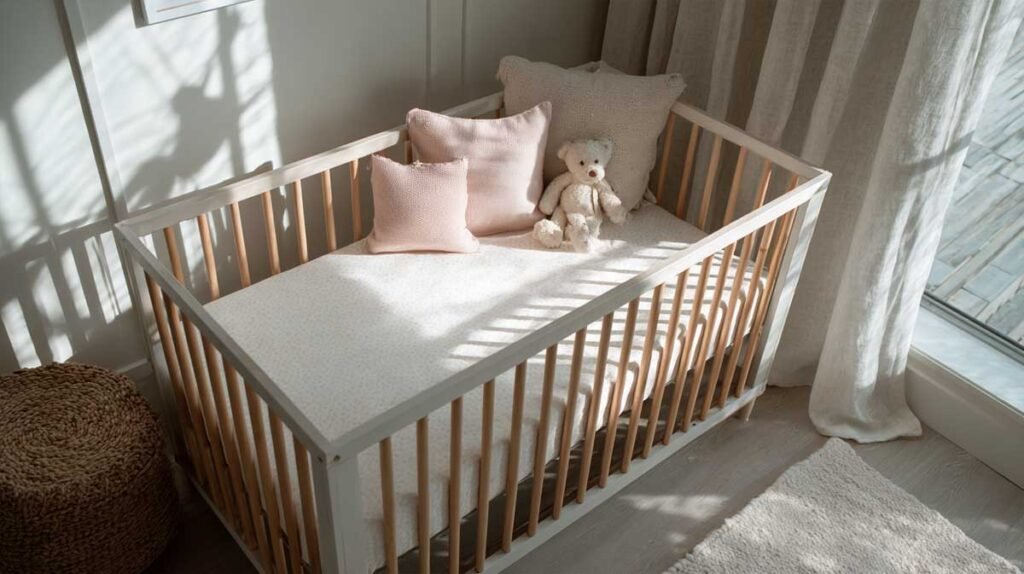
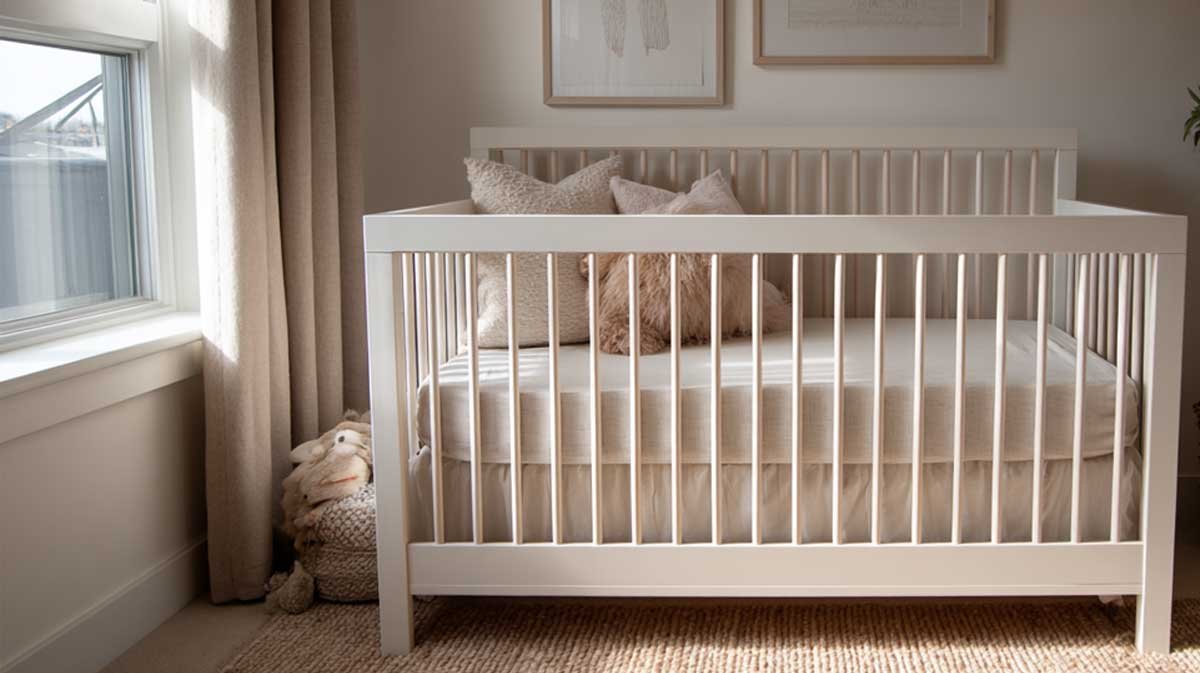
Your baby needs a safe, flat sleep surface from day one. Many families start with a bassinet for the early months and transition to a crib later. Others choose a crib from the beginning — both options are perfectly fine when they meet safety standards.
Helpful guides:
Firm Crib Mattress
A firm mattress is essential for safe sleep. Soft or plush surfaces may look comfortable, but they aren’t safe for newborns. The mattress should fit snugly with no gaps around the edges.
If you’re unsure how to choose, this guide walks through firmness, materials, and safety certifications:
👉 Best Crib Mattresses for Newborns
Fitted Sheets
You only need a few well-fitting crib or bassinet sheets. Choose breathable fabrics and make sure they fit tightly — no loose corners or bunching.
Most parents find that 2–3 fitted sheets are more than enough in the beginning.
Baby Monitor
A baby monitor isn’t required for safety, but many parents find it reassuring — especially once the baby starts sleeping in a separate room.
Audio-only monitors work well for some families, while others prefer video options. The right choice depends on your comfort level and home layout.
Car Seat (Hospital Required)
While not used inside the home, a rear-facing infant car seat is essential before your baby arrives. Most hospitals won’t allow discharge without one properly installed.
3. Nursery Essentials for a Calm Start
Your nursery doesn’t need to look like a catalog spread to be functional. A few thoughtfully chosen items can make daily care smoother — especially during nighttime changes and feedings.
Changing Area (Table or Pad)
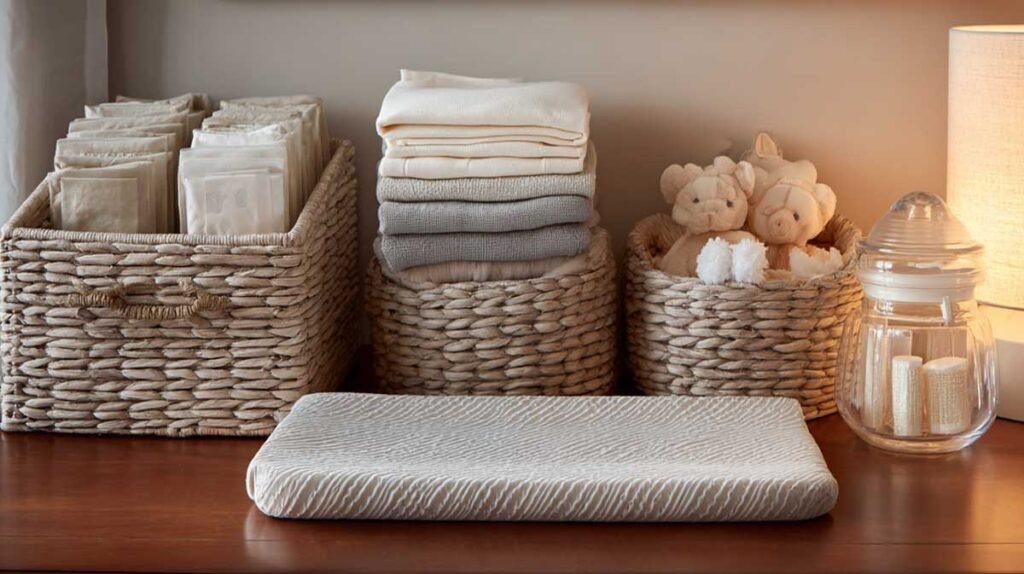
Some families prefer a dedicated changing table, while others use a changing pad on a dresser or bed. Both options work well as long as supplies are within arm’s reach.
Diaper Pail
A diaper pail helps contain odors and keeps changes quick and tidy. This is one of those items parents often appreciate more once the baby is home.
Storage & Organization
Simple storage bins or drawers can make a big difference. Keeping diapers, wipes, burp cloths, and extra clothes organized saves time — especially during those middle-of-the-night moments.
Soft Night Light
A dim, warm night light makes nighttime care easier without fully waking your baby. Look for low-glow options that won’t overstimulate during feeds or diaper changes.
For a deeper look at practical nursery setup ideas, including small-space solutions, you can explore:
👉 Nursery Essentials Buying Guide
4. Feeding Essentials for Newborns
Feeding looks different for every family, and there’s no single “right” setup. Some parents breastfeed, some bottle-feed, and many do a combination of both. What matters most is having a few reliable basics ready, so feeding feels calm instead of rushed.
Bottle Feeding Basics
Even if you plan to breastfeed, having a small bottle-feeding setup is often helpful — especially in the early days.
Most parents start with:
- 4–6 newborn-size bottles
- slow-flow nipples
- a bottle brush
- drying rack or clean storage space
You don’t need to buy many brands at once. Starting small lets you see what works best for your baby.
For cleaning and sterilizing routines, this guide can simplify things:
👉 Best Dishwasher for Baby Bottles
Breastfeeding Gear (If You Need It)
Breastfeeding doesn’t require much equipment, but a few items can make it more comfortable:
- nursing bras or tanks
- breast pads
- nipple cream
- optional breast pump (often covered by insurance in the US)
Many parents wait until after birth to decide exactly what they need — and that’s perfectly okay.
Sterilizing & Cleaning Essentials
You don’t need complicated systems. Clean, hot water and proper drying are often enough. Some parents prefer countertop sterilizers, while others rely on dishwasher-safe options.
The goal is clean and consistent, not perfect.
5. Sleep & Safety Essentials (AAP-Based)
Sleep and safety are closely connected — especially in the newborn stage. Keeping things simple here makes a big difference for peace of mind.
Safe Sleep Setup
Every newborn sleep space should include:
- a firm, flat mattress
- a snug fitted sheet
- an empty crib or bassinet
No pillows, blankets, bumpers, or toys are needed.
If you want a step-by-step explanation backed by US guidelines, this guide walks through everything gently:
👉 Newborn Safe Sleep Guide (AAP-Based)
Swaddles or Sleep Sacks
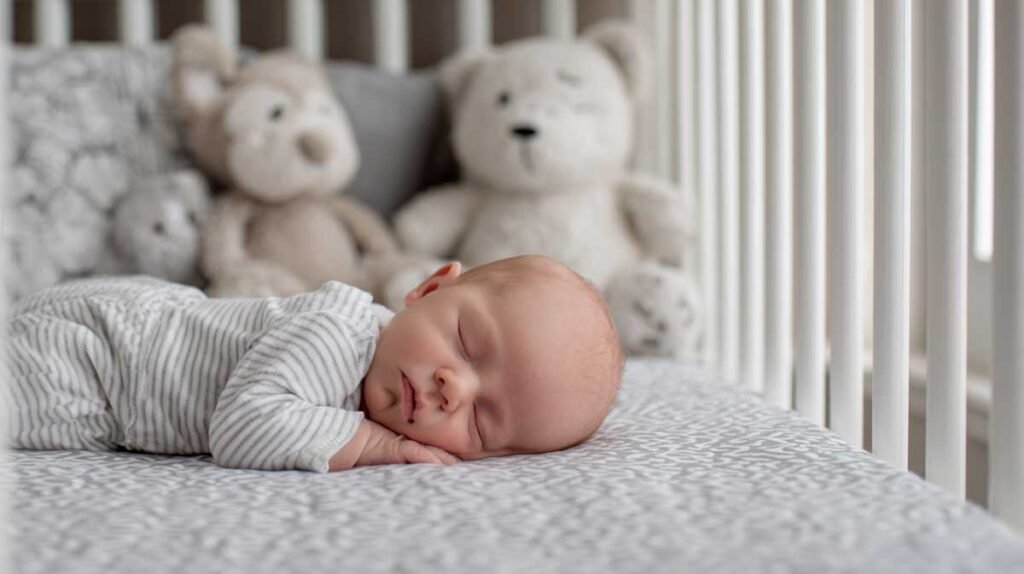
Swaddles can help soothe newborns by reducing the startle reflex. Once babies begin to roll, swaddling should stop, and sleep sacks become a safer alternative.
Many parents find it helpful to have:
- 2–3 swaddles or
- 2 sleep sacks, depending on baby’s stage
Baby Monitor (Optional but Reassuring)
A baby monitor can provide peace of mind, especially once your baby sleeps in a separate room. Audio-only models work well for many families, while video monitors add visual reassurance.
This is one of those items that’s about comfort — not obligation.
Current safe sleep recommendations are based on guidance from the American Academy of Pediatrics (AAP), which continues to emphasize placing babies on their backs on a firm, flat sleep surface with no loose items.
You can review the full AAP safe sleep guidance here:
American Academy of Pediatrics — Safe Sleep Recommendations
6. Health & Grooming Essentials
Health and grooming items don’t take much space, but they’re incredibly helpful when you need them.
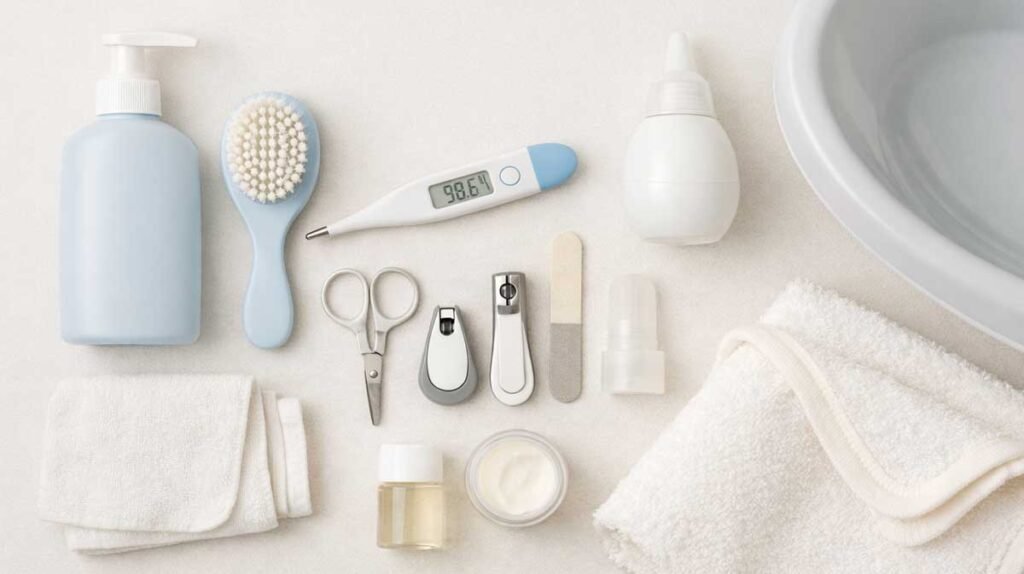
Basic Health Kit
Most families keep a small kit with:
- digital baby thermometer
- infant nail clippers or file
- nasal aspirator
- infant-safe pain reliever (as recommended by a pediatrician)
Keeping these items together saves time during late-night moments.
Bathing Basics
Newborn baths are gentle and simple. You’ll usually need:
- baby bathtub or sink insert
- mild baby soap
- soft washcloths
- hooded towel
Bath time doesn’t need to be frequent — a few times a week is often enough.
Diapering Essentials
Along with diapers and wipes, most parents find these helpful:
- diaper rash cream
- changing pad cover
- disposable or reusable liners
Over time, you’ll naturally adjust quantities based on your baby’s routine.
7. Clothing Essentials (How Much Is Enough?)
Newborn clothes are adorable — and it’s easy to buy far more than you’ll ever use. The good news is that babies don’t need a big wardrobe in the beginning. Comfort, easy changes, and season-appropriate layers matter most.
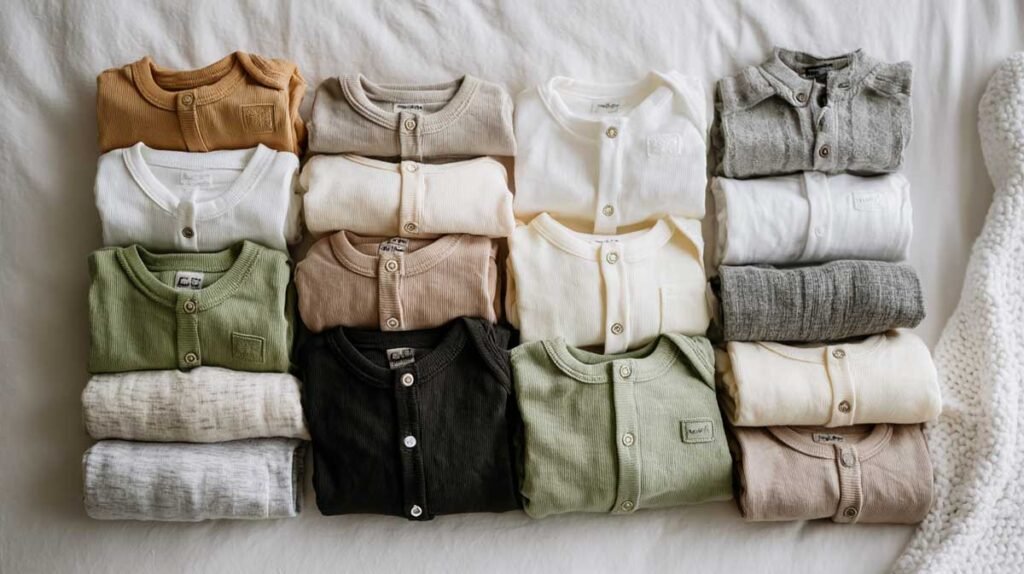
Everyday Clothing Basics
Most parents find these quantities more than enough for the first few weeks:
- 6–8 short- or long-sleeve onesies
- 4–6 sleepers or footed pajamas
- 2–3 lightweight hats (weather-dependent)
- a few pairs of socks (optional — sleepers often replace them)
Soft, breathable fabrics are easiest on sensitive skin, and simple snaps or zippers make nighttime changes much smoother.
Seasonal Tips (US Climate)
If your baby is born in warmer months, lightweight cotton layers are usually enough. For cooler seasons, add an extra layer or a sleep sack instead of bulky blankets.
A helpful rule of thumb:
Dress your baby in one more layer than you’d wear comfortably in the same room.
8. Essentials You Can Skip (Save Your Money)
One of the most reassuring things new parents discover is that many popular baby products aren’t actually necessary. Skipping a few items can save money, space, and stress.
Here are items many families find they don’t need right away — or at all:
Commonly Skipped Items
- wipe warmers
- fancy newborn outfits
- baby shoes
- bottle formula mixers
- large toy collections
- crib bumpers (not recommended for safety)
Instead, focus your budget on quality essentials like a safe sleep surface, a firm mattress, and feeding basics. Everything else can wait until you see what your baby truly needs.
9. Newborn Essentials Checklist (Printable-Style Summary)
Below is a simple, realistic checklist you can save or print. Think of it as a gentle guide — not a shopping mandate.
👉 Download – Branded Newborn Essentials Checklist (PDF)
Baby Gear
- crib or bassinet
- firm mattress
- fitted sheets
- baby monitor (optional)
- rear-facing car seat
Nursery Essentials
- changing pad or table
- diaper pail
- storage bins
- soft night light
Feeding
- bottles & nipples
- bottle brush
- breastfeeding basics (if needed)
- sterilizing/cleaning setup
Sleep & Safety
- swaddles or sleep sacks
- safe sleep surface
- room thermometer (optional)
Health & Grooming
- baby thermometer
- nail care tools
- bath basics
- diaper rash cream
Clothing
- onesies
- sleepers
- seasonal layers
Most parents find that once these basics are in place, the early weeks feel far more manageable.
10. Frequently Asked Questions
Q. What do you really need for a newborn?
At minimum: a safe place to sleep, feeding supplies, diapers, basic clothing, and a few health essentials. Everything else is optional and can be added later.
Not necessarily. Many families start with a bassinet or playard and transition to a crib later, as long as the sleep surface meets safety guidelines.
Q. How many newborn outfits should I buy?
Around 10–14 everyday outfits total is usually plenty, especially if you plan to do laundry regularly.
Q. Should I buy everything before the baby arrives?
No. Many parents prefer to start with the basics and add items once they understand their baby’s needs and routines.
Q. Is it okay to receive hand-me-downs?
Yes — as long as items meet current safety standards, are clean, and haven’t been recalled. This is especially important for cribs, mattresses, and car seats.
Final Thoughts — You’re More Prepared Than You Think
It’s completely normal to feel uncertain when preparing for a newborn. What matters most isn’t having everything — it’s having the right basics and the flexibility to adapt.
This newborn essentials checklist is here to support you, not overwhelm you. Start small, trust yourself, and remember that you’ll learn alongside your baby, one day at a time.
If you’d like deeper guidance on specific areas, these resources may help:
You’re doing a wonderful job — even before your baby arrives.