



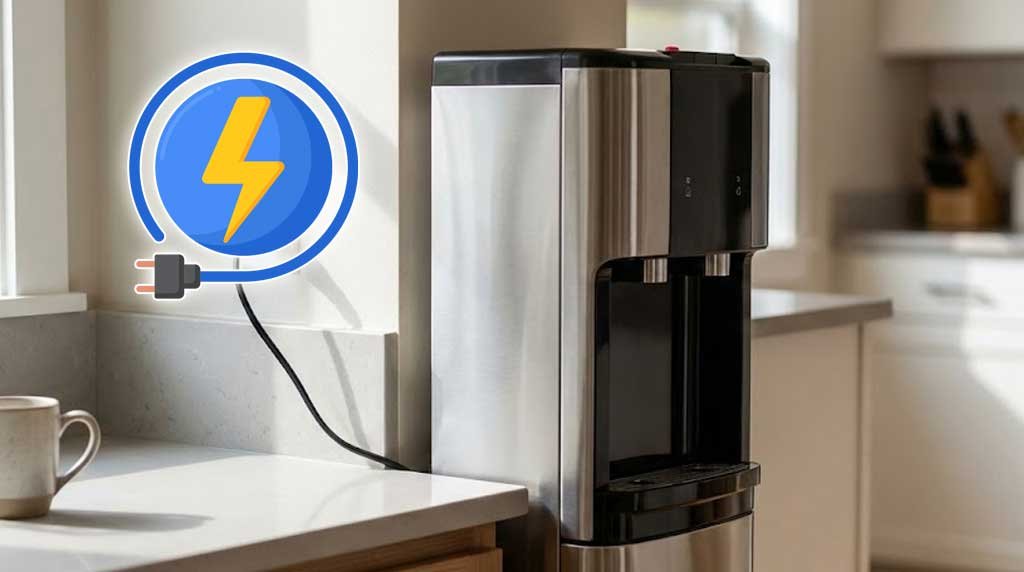
If you’re wondering how much electricity does a water dispenser use, you’re not alone. This is one of the most common questions I hear from homeowners who want the convenience of instant hot or cold water—but don’t want a surprise on their electric bill.
After using and testing water dispensers in real homes over the years, one thing is clear: most modern water dispensers use far less electricity than people expect. The cost is usually modest, predictable, and easy to manage—especially if you understand which features actually consume power.
In this guide, I’ll break down exactly how water dispensers use electricity, what affects their energy consumption, and what the real monthly cost looks like in a typical US household. No technical jargon—just practical numbers and clear explanations you can actually use.
How Water Dispensers Use Electricity
Water dispensers don’t run constantly at full power. Instead, they cycle on and off throughout the day, using electricity only when needed to heat or cool water.
Understanding where the energy goes makes it much easier to judge whether a dispenser fits your home and habits.
Cooling Systems Explained (Compressor vs Thermoelectric)
Most water dispensers use one of two cooling systems:
Compressor-based cooling works much like a refrigerator. It chills water quickly and maintains a consistently cold temperature, even in warm rooms. These systems are more powerful but use slightly more electricity.
Thermoelectric cooling relies on electronic heat transfer. It’s quieter and more energy-efficient, but cooling performance is milder—best suited for light daily use or small households.
From real-world testing, compressor models are better for families or frequent use, while thermoelectric units shine in apartments and home offices where energy efficiency and noise matter more.
Heating Elements for Hot Water
Hot water dispensers include a built-in heating element that keeps water ready for use—typically between 170°F and 200°F.
This is where most energy consumption comes from.
The key detail many buyers miss: the heating element doesn’t stay on continuously. It activates only to maintain temperature after hot water is dispensed. Occasional use means lower overall energy draw than people expect.
If you rarely use hot water, choosing a model with a hot-water on/off switch can significantly reduce electricity use.
Standby Power Consumption
Even when you’re not dispensing water, a water dispenser uses a small amount of standby power to monitor temperature and maintain readiness.
In modern units, standby consumption is minimal. In everyday terms, this is similar to leaving a small kitchen appliance plugged in—not something that meaningfully spikes your bill.
Average Electricity Consumption of a Water Dispenser
Once you understand how dispensers use power, the next question is straightforward: how much electricity do they actually consume?
The answer depends on the type of dispenser and how you use it—but the ranges are fairly consistent.
Cold-Only Water Dispensers
Cold-only models are the most energy-efficient option.
On average, they use:
- 100–150 kWh per year
- which translates to a very small monthly cost in most US homes
These models are ideal if your primary goal is chilled drinking water without extra features.
Hot & Cold Water Dispensers
Hot and cold dispensers use more electricity due to the heating element.
Typical usage falls around:
- 300–600 kWh per year, depending on hot water use frequency
In real homes, this usually adds only a few dollars per month to the electric bill. Homes that use hot water daily will be on the higher end of that range.
Bottleless vs Bottled Models
Bottleless water dispensers often use slightly more electricity because they:
- run filtration systems
- maintain water pressure
- operate continuously
That said, the difference is usually small and often offset by savings from not buying bottled water. From a long-term cost perspective, electricity use is rarely the deciding factor between bottled and bottleless models.
How Much Does It Cost to Run a Water Dispenser per Month?
Average Electricity Use & Monthly Cost of a Water Dispenser
Based on the US average electricity rate of ~$0.16 per kWh
(Real-world residential average across the United States)
| Water Dispenser Type | Avg. Annual Use (kWh) | Avg. Monthly Use (kWh) | Estimated Monthly Cost |
|---|---|---|---|
| Cold-only water dispenser | 100–150 kWh | 8–12 kWh | $1.25–$2.00 |
| Hot & cold water dispenser | 300–600 kWh | 25–50 kWh | $4.00–$8.00 |
| Bottleless water dispenser | 350–650 kWh | 30–55 kWh | $5.00–$9.00 |
| Countertop water dispenser | 80–120 kWh | 7–10 kWh | $1.00–$1.60 |
| Energy Star water dispenser | 200–400 kWh | 17–33 kWh | $2.75–$5.25 |
How Much Does It Cost to Run a Water Dispenser per Month? This is the question that really matters when you’re deciding whether a water dispenser is worth adding to your home. The good news: for most US households, the monthly electricity cost is modest and predictable.
Based on real-world usage and average US electricity rates, most water dispensers cost only a few dollars per month to run. Even models with hot and cold water rarely become noticeable expenses on your utility bill.
Typical Monthly Cost in US Homes
In everyday terms:
- Cold-only water dispensers usually cost around $1–$2 per month
- Hot & cold water dispensers typically fall in the $3–$6 per month range
- High-use households may see slightly higher costs, especially with frequent hot water use
Compared to many kitchen appliances, a water dispenser is one of the more energy-efficient conveniences you can add to your home.
Cost Breakdown by Dispenser Type
Where the cost comes from is just as important as the total amount.
- Cooling systems account for steady, low-level energy use
- Heating elements cause short spikes when hot water is drawn
- Standby power keeps the system ready but uses very little electricity
From long-term testing, the heating function is the biggest variable. If you rarely use hot water, your operating cost stays near the lower end of the range.
Electricity Cost vs Bottled Water Costs
This is where the value equation really shifts.
Even when you factor in electricity use, most water dispensers cost far less than buying bottled water regularly. Households that previously purchased cases of bottled water often see savings almost immediately—especially when switching to bottleless systems.
In short: electricity cost is rarely the deal-breaker people fear.
Factors That Affect Energy Use
Not all water dispensers use electricity the same way. A few practical factors can noticeably increase—or reduce—your overall energy consumption.
Frequency of Use
The more often you dispense hot or cold water, the more frequently the system cycles on.
- Occasional use keeps energy consumption low
- Frequent hot water use increases heating cycles
- High-traffic households naturally consume more power
That said, even heavy use tends to stay within reasonable monthly limits.
Room Temperature & Placement
Placement matters more than most people realize.
Water dispensers placed:
- in hot kitchens
- near ovens or direct sunlight
- in poorly ventilated areas
have to work harder to maintain temperature. From experience, moving a unit just a few feet away from heat sources can reduce cycling and save energy over time.
Energy Star Certification
Energy Star–rated water dispensers are designed to minimize wasted power.
They typically feature:
- improved insulation
- more efficient compressors
- smarter temperature control
If energy savings matter to you, this is one of the easiest features to prioritize when comparing models.
Hot Water Temperature Settings
Some dispensers allow you to adjust or disable the hot water function entirely.
Turning off hot water when it’s not needed is one of the fastest ways to lower electricity use—especially in homes that rarely make hot beverages.
Are Water Dispensers Energy Efficient?
For most buyers, the answer is yes—modern water dispensers are surprisingly energy efficient for what they offer.
They provide constant access to chilled or heated water while consuming less power than many people expect.
Energy Star Water Dispensers Explained
Energy Star models meet strict efficiency guidelines set by US standards.
In practical terms, this means:
- lower standby power draw
- faster temperature recovery
- reduced long-term operating costs
Over several years of ownership, these efficiency gains translate into real savings—not just on paper.
Old vs New Models (Efficiency Improvements)
Older water dispensers often lacked:
- proper insulation
- efficient temperature sensors
- optimized compressors
Newer models cycle less frequently and maintain temperature more intelligently. If you’re replacing an older unit, upgrading can noticeably reduce energy use while improving performance.
Thermoelectric Models for Low Energy Use
Thermoelectric water dispensers are among the most energy-efficient options available.
They’re ideal for:
- apartments
- home offices
- light daily use
While they don’t chill water as aggressively, they consume less electricity and operate quietly—making them a strong value choice for smaller households.
How to Reduce the Electricity Cost of a Water Dispenser
If you like the idea of a water dispenser but want to keep running costs as low as possible, the good news is this: a few simple choices can noticeably reduce electricity use without sacrificing convenience.
Turning Off Hot Water When Not Needed
The single biggest energy saver is the hot water function.
If you don’t make tea, coffee, or instant meals daily, turning off hot water can significantly cut power consumption. Many modern dispensers include a dedicated hot-water switch on the back.
From real-world use, households that disable hot water when it’s not needed often drop their monthly energy cost to the lowest possible range.
Placement Tips for Better Efficiency
Where you place your dispenser affects how hard it has to work.
For best efficiency:
- keep it away from ovens, dishwashers, and direct sunlight
- allow airflow behind and around the unit
- avoid placing it in very warm rooms
Proper placement reduces cooling cycles and improves long-term performance.
Choosing the Right Size for Your Household
Oversized dispensers consume more power than necessary.
If you live alone or with one other person, a compact or countertop model is usually more energy-efficient—and often cheaper to run. Larger families benefit from higher capacity, but small households rarely do.
For help matching size and type to your needs, see our Water Dispenser Buying Guide.
Water Dispenser vs Other Appliances (Energy Comparison)
To put electricity use into perspective, it helps to compare a water dispenser with appliances you already use daily.
Water Dispenser vs Refrigerator Dispenser
Refrigerator dispensers run continuously as part of the fridge’s cooling system.
In many homes, a standalone water dispenser actually uses similar or even less electricity—especially if the fridge is older or frequently opened.
Water Dispenser vs Electric Kettle
Electric kettles use a lot of power in short bursts.
If you boil water multiple times per day, a hot water dispenser can be more convenient—and in some cases, more efficient—because it heats only what’s needed rather than a full kettle every time.
Water Dispenser vs Coffee Maker
Coffee makers use electricity briefly but intensely.
For households that drink multiple hot beverages daily, a dispenser can reduce repetitive heating cycles and simplify the routine, especially when paired with instant or pour-over options.
Is a Water Dispenser Worth the Electricity Cost?
This is the decision point for most buyers—and the answer depends on how you use water at home.
When the Cost Makes Sense
A water dispenser is usually worth it if you:
- drink water frequently throughout the day
- value instant access to cold or hot water
- want to reduce bottled water purchases
- share the dispenser with multiple people
In these cases, the electricity cost is small compared to the convenience and long-term savings.
If you’re comparing models, our Best Water Dispensers for Home Use guide breaks down top options by efficiency, features, and price.
When a Simpler Setup May Be Better
A dispenser may not be necessary if you:
- drink minimal water at home
- already have an efficient fridge dispenser
- prefer manual systems like kettles and pitchers
Knowing when not to buy is just as important as finding the best deal.
Conclusion
So, how much electricity does a water dispenser use?
For most US households, the answer is simple: less than you probably expect—and far less than many daily conveniences.
Cold-only models cost very little to run, while hot and cold dispensers typically add just a few dollars per month to your electric bill. With smart placement, selective use of hot water, and an energy-efficient model, operating costs stay comfortably low.
If you’re weighing energy use alongside features, size, and long-term value, start with our Water Dispenser Buying Guide to choose a model that fits your home—and your budget—without second-guessing the electric bill.
Frequently Asked Questions: Water Dispenser Electricity Use
Does a water dispenser use a lot of electricity?
No. Most modern water dispensers use a relatively small amount of electricity. In an average US household, the monthly cost typically ranges from $1 to $8, depending on the model and hot water usage.
Which type of water dispenser uses the least electricity?
Cold-only and countertop water dispensers use the least electricity. Thermoelectric models are especially energy-efficient for apartments and light daily use.
Do hot and cold water dispensers consume much more power?
They use more electricity than cold-only models, but the increase is modest. The heating element activates only when needed, keeping overall energy use reasonable for most homes.
Are bottleless water dispensers more expensive to run?
Bottleless dispensers may use slightly more electricity due to filtration and continuous operation, but the difference is small. Many households offset this cost by saving money on bottled water.
Does turning off the hot water feature reduce electricity use?
Yes. Turning off the hot water function is one of the most effective ways to reduce electricity consumption, especially if you rarely use hot water.
Are Energy Star water dispensers worth it?
Yes. Energy Star–rated water dispensers are designed to reduce standby power and improve efficiency, often resulting in lower long-term operating costs.
Is a water dispenser cheaper to run than an electric kettle?
In many households, yes. If you boil water multiple times a day, a hot water dispenser can be equally or more efficient, since it heats only the amount of water dispensed.
Should I unplug my water dispenser when not in use?
Unplugging is not usually necessary. Modern water dispensers use minimal standby power. However, turning off the hot water switch overnight can slightly reduce energy use.