



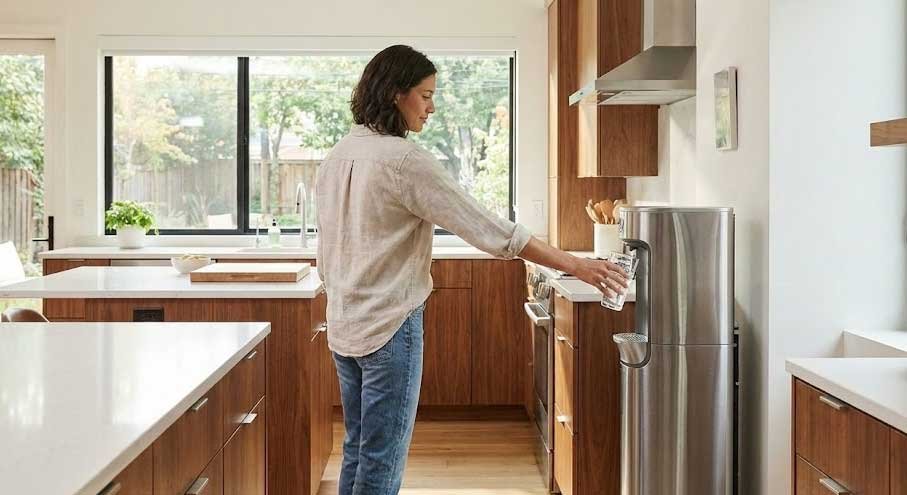
Choosing the right water dispenser buying guide isn’t just about picking a popular model or chasing the latest features. It’s about understanding how you and your household actually use water—day in, day out.
Over the years, I’ve tested and lived with a wide range of water dispensers in real homes: small apartments with limited counter space, family kitchens with constant foot traffic, and quiet home offices where noise matters more than you’d expect. One thing became clear quickly—the “best” water dispenser only makes sense when it fits your lifestyle, space, and habits.
Some people want instant hot water for tea and coffee. Others care most about cold, filtered water without lifting heavy bottles. And for many households, long-term cost and maintenance matter far more than sleek touch panels.
This guide breaks down everything you need to know—without marketing fluff—so you can confidently choose the right water dispenser for your home in 2026, not just the one that looks good on paper.
What Is a Water Dispenser and Who Is It For?
At its core, a water dispenser is a home appliance designed to provide easy, on-demand access to drinking water—often chilled, heated, or filtered—without needing to open your refrigerator or constantly refill pitchers.
But despite how common they’ve become, water dispensers aren’t a universal solution for every household. Understanding who they’re actually for is the first step to making a smart choice.
How a Water Dispenser Works (Simple Explanation)
Most water dispensers operate in one of two ways:
- Bottled models draw water from a large jug (usually 3–5 gallons) placed on top or loaded from the bottom.
- Bottleless models connect directly to your home’s water line and filter the water internally before dispensing it.
Once water enters the system, internal components handle:
- cooling (via compressor or thermoelectric systems),
- heating (for hot water models),
- and optional filtration.
From real-world use, the biggest advantage is convenience. You’re no longer waiting for water to chill in the fridge or boiling a kettle for every cup. The water is simply there—ready when you need it.
When a Water Dispenser Makes Sense — and When It Doesn’t
A water dispenser makes the most sense if you:
- drink water frequently throughout the day
- want consistent access to cold or hot water
- prefer filtered water without managing pitchers
- have limited fridge space
- want a cleaner alternative to bottled cases
That said, it’s not always the best option.
If you live alone, drink minimal water at home, or already use a high-quality under-sink filtration system, a dispenser may add cost without much benefit. In smaller households, I’ve seen people overestimate how often they’ll actually use hot or chilled water—and end up paying for features they rarely touch.
The goal isn’t to buy more—it’s to buy smarter.
Types of Water Dispensers Explained (Pros & Cons)
Not all water dispensers are built the same, and choosing the wrong type is one of the most common mistakes buyers make. Let’s break down the main options you’ll see in US homes—and what each one does best.
Bottled Water Dispensers
These are the classic models most people recognize. They use large water jugs and are available in top-loading or bottom-loading designs.
Pros:
- no plumbing required
- simple setup
- widely available
- predictable water quality
Cons:
- heavy bottles to lift or replace
- recurring bottled water costs
- storage space needed for extra jugs
From experience, bottled dispensers work well for renters or short-term setups—but long-term costs add up faster than most people expect.
Bottleless (Direct Water Line) Dispensers
Bottleless dispensers connect directly to your home’s water supply and rely on internal filtration systems.
Pros:
- unlimited water supply
- no heavy lifting
- lower long-term cost
- cleaner, more streamlined setup
Cons:
- installation required
- filter replacement costs
- not ideal for all rentals
For households planning to stay put, this is often the most practical and cost-effective option over time.
Countertop Water Dispensers
Designed for small spaces, these compact units sit on your counter and usually connect to a faucet or use small refillable tanks.
Pros:
- space-saving
- easy to install
- ideal for apartments or dorms
Cons:
- limited capacity
- slower dispensing
- fewer hot water options
In apartments and condos, countertop models often strike the best balance between convenience and footprint.
Bottom-Loading vs Top-Loading Models
This choice affects daily usability more than most buyers realize.
- Top-loading units are usually cheaper and simpler—but require lifting heavy bottles.
- Bottom-loading units hide the bottle inside and use a pump system, making them far easier to manage.
From long-term use, bottom-loading models are worth the extra cost if you value convenience and back comfort.
Up next in this guide, we’ll look at hot vs cold water options, safety considerations for families, and which features actually matter in everyday use—not just on the box.
Hot, Cold, or Room Temperature — Which Water Options Do You Really Need?
One of the biggest decisions when choosing a water dispenser is whether you actually need hot water, cold water, or just reliable room-temperature dispensing. On paper, more options sound better—but in real homes, usage patterns are often much simpler.
Hot & Cold Water Dispensers
Among all available options, hot and cold water dispensers remain some of the most popular choices—particularly in US households where quick coffee, tea, or instant meals are part of the daily routine. The ability to access both temperatures instantly adds a level of convenience that many families and home offices quickly grow used to.
In these models, the heating system typically brings water to a temperature range of 170–200°F, which makes it well suited for everyday uses such as:
- tea and coffee
- instant soups and oatmeal
- baby bottle preparation (with proper cooling)
Cold water is actively chilled and stays consistently refreshing—even during summer months.
From hands-on use, the real value here is time. You’re no longer waiting for kettles to boil or bottles to cool. That convenience adds up quickly in busy households.
That said, hot water dispensers aren’t essential for everyone. If you already use an electric kettle daily, you may find yourself duplicating functionality.
Cold + Room Temperature Models
These simpler models skip the heating element and focus on cold and ambient water.
They’re often:
- more energy efficient
- quieter
- cheaper upfront
- easier to maintain
In smaller apartments or home offices, I’ve found cold + room temperature dispensers to be more than enough. Most users naturally reach for cold water far more often than hot—especially during work hours.
Safety Considerations for Homes With Kids
Hot water dispensers deserve special attention in family homes.
Modern units usually include:
- child safety locks
- recessed hot water buttons
- slower hot water flow
Still, supervision matters. In homes with toddlers, I generally recommend models with clearly labeled safety locks and tactile resistance on hot water controls. Convenience should never come at the expense of safety.
Key Features That Actually Matter (Not Marketing Noise)
Water dispenser spec sheets can look impressive—but many features rarely impact daily use. After long-term testing, a few practical elements consistently make the biggest difference.
Filtration Systems — What They Do and Don’t Do
Not all dispensers filter water the same way.
- Basic carbon filters improve taste and odor.
- Multi-stage filters can reduce chlorine, sediment, and some heavy metals.
- Bottleless systems rely entirely on filtration quality.
It’s important to understand this: a water dispenser is not a full water purification system. If you have serious water quality concerns, look for NSF-certified filters and realistic performance claims—not vague promises.
Energy Efficiency & Electricity Use
Energy usage varies significantly between models.
- Hot water heating elements consume the most power.
- Cold-only dispensers are generally more efficient.
- Energy Star-rated models help reduce long-term costs.
In real homes, energy efficiency becomes noticeable over time—especially if the dispenser runs 24/7.
Noise Levels (Especially for Apartments)
Noise is one of the most overlooked features.
Compressors cycle on and off, and in quiet spaces like apartments or home offices, that hum can be distracting. Thermoelectric models are quieter but may chill water less aggressively.
If silence matters, prioritize:
- low-noise compressor designs
- thermoelectric cooling for light use
Capacity, Flow Rate & Daily Use
In everyday use, capacity and flow rate play a much bigger role than most buyers initially expect. In particular, high-traffic households—where multiple people rely on the dispenser throughout the day—benefit significantly from models designed for continuous use.
First and foremost, faster recovery times ensure that cold or hot water is always available, even during peak usage hours. At the same time, higher internal capacity helps prevent frustrating delays when several glasses are filled back-to-back. Equally important, consistent water pressure makes the dispenser feel reliable rather than sluggish.
On the other hand, slow flow rates are a common drawback in lower-end models. As a result, users often find themselves waiting several seconds for each glass, which quickly becomes annoying in daily routines. Over time, that small delay adds up and can noticeably reduce overall satisfaction—especially in busy kitchens.
Ultimately, choosing a dispenser with the right balance of capacity and flow rate makes daily hydration smoother, faster, and far less frustrating.daily use, waiting several seconds per glass adds up fast.
Build Quality & Materials
Durability matters more than looks.
Metal drip trays, solid internal tanks, and well-sealed water lines reduce leaks and wear over time. Plastic-heavy builds may look sleek but often age poorly.
From experience, build quality directly affects long-term satisfaction—and whether the dispenser feels like an appliance or a temporary gadget.
Choosing the Right Water Dispenser for Your Home Type
The “right” water dispenser isn’t universal—it depends heavily on where you live, how much space you have, and how many people rely on it daily. In real homes, matching the dispenser to the environment matters more than chasing specs.
Small Apartments & Condos
In apartments and condos, space and noise are usually the biggest constraints.
For these setups, I generally recommend:
- countertop dispensers or slim freestanding models
- cold + room temperature units for lower energy use
- quieter thermoelectric cooling systems
Large bottled dispensers can feel overwhelming in tight kitchens, especially when you factor in bottle storage. In smaller spaces, simplicity almost always wins.
Families & High Daily Consumption
Busy households go through far more water than they realize.
For families, the priorities shift toward:
- higher capacity
- faster recovery times
- bottom-loading or bottleless systems
- reliable filtration
From testing in family kitchens, bottleless dispensers often make the most sense long-term. Not having to lift or store heavy bottles becomes a real quality-of-life improvement.
Home Offices & Remote Work Setups
In home offices, water dispensers play a different role—they’re about convenience without distraction.
Key considerations:
- low operating noise
- compact footprint
- quick access to cold water
Many remote workers end up using their dispenser far more than expected simply because it’s within arm’s reach during the workday.
Rentals vs Permanent Homes
Renters and homeowners often need very different solutions.
- Renters should prioritize plug-and-play bottled or countertop models that require no permanent installation.
- Homeowners can benefit from bottleless systems that pay off over time through lower running costs.
If you expect to move within a year or two, avoid overinvesting in complex installations. Flexibility matters.
Installation, Maintenance, and Long-Term Costs
Water dispensers are easy to underestimate when it comes to long-term ownership. The upfront price is only part of the equation—maintenance, energy use, and ongoing supplies add up over time.
Plug-and-Play vs Installation Required
Most bottled dispensers are true plug-and-play appliances. You unpack them, load a bottle, and you’re done.
Bottleless models, on the other hand:
- require a water line connection
- may need professional installation
- often include filter setup and flushing
While installation adds cost upfront, it often pays off through lower operating expenses.
Cleaning & Maintenance Frequency
Regular cleaning isn’t optional—it’s essential for taste and hygiene.
In real-world use, most households should:
- wipe dispensing nozzles weekly
- deep clean internal tanks every 3–6 months
- replace filters according to manufacturer guidelines
Neglecting maintenance is one of the fastest ways to end up with bad-tasting water or leaks.
Filter Replacement Costs Over Time
Filters are a recurring expense, especially for bottleless systems.
Typical replacement intervals range from:
- every 6 months for basic carbon filters
- every 3–4 months for multi-stage systems
When comparing models, always look beyond the initial price and factor in annual filter costs.
Bottled Water vs Bottleless Cost Comparison
Over time, bottleless water dispensers tend to cost less, especially in larger households where daily water consumption is consistently higher and convenience becomes a priority.
By comparison, bottled water dispenser systems involve several ongoing expenses that add up gradually, including recurring water deliveries or frequent store purchases, which require both time and planning.
In addition, these bottled systems demand dedicated storage space for extra water jugs, which can be inconvenient in smaller homes or apartments.
As usage increases, the total cost of bottled water continues to rise, making long-term budgeting less predictable for many households.
In contrast, bottleless water dispensers shift most of the ongoing cost toward filtration, allowing users to rely on their existing water supply instead of purchased bottles.
At the same time, electricity consumption becomes a modest but manageable expense, especially when using energy-efficient models designed for continuous operation.
Occasionally, maintenance costs may arise, such as filter replacements or routine servicing, but these expenses are typically easier to anticipate and control.
From long-term testing, households with moderate to high water usage often reach a financial break-even point within the first one to two years, ultimately making bottleless water dispensers the more economical choice over time.the first year or two.
➡️ Up next in the guide, we’ll cover:
- Common Mistakes Buyers Make (and How to Avoid Them)
- When a Water Dispenser Is Worth It — And When It’s Not
След това логично ще влезем в Quick Picks + вътрешни линкове към Best Water Dispensers.
Common Mistakes Buyers Make (and How to Avoid Them)
After reviewing hundreds of user experiences and personally testing multiple water dispenser models, I’ve consistently noticed that the same buying mistakes come up again and again.
Fortunately, once these patterns become clear, the good news is that most of these mistakes are surprisingly easy to avoid—especially when you know exactly what to look for before buying.
Overbuying Features You’ll Never Use
Touchscreens, smart apps, multi-temperature presets—they sound impressive, but many households barely use them.
In everyday use, most people rely on:
- cold water
- occasional hot water
- simple, reliable dispensing
If a feature doesn’t clearly improve your daily routine, it’s probably not worth paying extra for.
Ignoring Space & Clearance Requirements
Water dispensers take up more room than expected—especially bottled models.
Common oversights include:
- forgetting space for bottle loading
- placing units too close to walls
- blocking cabinet doors or walkways
Measure first. It saves frustration later.
Choosing the Wrong Loading Style
Top-loading dispensers are often cheaper, but they require lifting heavy bottles overhead.
From real-world experience, many users regret this choice within months—especially in households with limited mobility or back concerns. Bottom-loading models cost more upfront but are far easier to live with.
Forgetting Ongoing Costs
Filters, bottled water deliveries, and electricity all add to long-term ownership costs.
A dispenser that looks affordable at checkout can become surprisingly expensive over time. Always think in terms of annual cost, not just purchase price.
When a Water Dispenser Is Worth It — And When It’s Not
Water dispensers are incredibly convenient—but they’re not always the right solution. Knowing when they make sense helps avoid buyer’s remorse.
Water Dispenser vs Bottled Water
Compared to buying individual water bottles:
- dispensers reduce plastic waste
- lower long-term costs
- improve convenience
For households that already rely heavily on bottled water, a dispenser is almost always a better option.
Water Dispenser vs Under-Sink Water Filters
Under-sink systems excel at filtration but lack convenience.
They don’t provide:
- chilled water on demand
- hot water
- a dedicated drinking station
Many homes actually benefit from combining systems—filtration for cooking and a dispenser for daily drinking.
Who Should Skip a Water Dispenser Altogether
You may want to skip a dispenser if you:
- drink very little water at home
- already have a fridge with a high-quality dispenser
- prioritize minimal appliances over convenience
Sometimes the smartest choice is knowing when not to buy.
Best Water Dispensers for Home Use (Quick Picks)
Rather than listing dozens of models here, this guide is designed to help you narrow your focus and choose confidently.
For detailed recommendations, comparisons, and real-world pros and cons, explore our dedicated reviews:
- Best Water Dispensers for Home Use (2026)
- Best Water Dispensers with Hot and Cold Water
- Best Countertop Water Dispensers for Small Apartments
👉 Check top-rated water dispensers on Amazon
These pages break down the best options by budget, space, and household type—so you can match the product to your needs, not the other way around.
Final Thoughts on Choosing the Right Water Dispenser
Ultimately, choosing the right water dispenser buying guide isn’t about chasing trends or automatically buying the most advanced model on the market. Instead, it’s about making everyday hydration simpler, cleaner, and noticeably more convenient in the context of your real daily routine.
Over time, and after years of real-world use, one core principle consistently stands out: the best water dispenser is the one that fits seamlessly into your home, your habits, and your expectations. When you intentionally match the dispenser type, key features, and long-term operating costs to how you actually live—rather than how marketing suggests you should live—the right choice becomes surprisingly clear and stress-free.
Now that you understand the available options, the practical trade-offs, and the most common pitfalls buyers face, you’re fully equipped to move forward with confidence. As a result, you can choose a water dispenser that truly makes sense—not just for today’s needs, but for many comfortable, well-hydrated years to come.
Frequently Asked Questions About Water Dispensers
❓ Are water dispensers safe for home use?
Yes, modern water dispensers are safe for home use when they are properly installed and regularly maintained. In fact, most models with hot water functions now include built-in child safety locks and precise temperature controls, which significantly reduce everyday risks. That said, real-world use shows that safety ultimately depends on consistency—regular cleaning and timely filter replacement remain the key factors that keep a water dispenser both safe and hygienic over time.
❓ Do water dispensers actually filter water?
Some water dispensers do, others don’t. Bottleless water dispensers rely on internal filtration systems, while bottled models depend on the quality of the supplied water. It’s important to check whether a dispenser includes NSF-certified filters and what contaminants they’re designed to reduce.
❓ How often should you clean a water dispenser?
Most households should clean their water dispenser every 3 to 6 months, while also wiping down the nozzles weekly as part of regular maintenance. In practice, and based on real-world testing, neglecting this routine is by far the most common reason water dispensers develop unpleasant tastes or odors over time.
❓ Is a bottleless water dispenser cheaper than bottled water?
For moderate to high water use, bottleless dispensers are usually cheaper over time. While they require upfront installation and filter costs, they eliminate recurring bottled water purchases and storage hassles. Many households break even within the first one to two years.
❓ Do water dispensers use a lot of electricity?
Energy use depends on the model. Hot and cold dispensers consume more electricity than cold-only units, but most modern models are energy-efficient. In everyday use, electricity costs are generally modest—especially with Energy Star–rated dispensers.
❓ Which water dispenser is best for apartments?
Countertop or slim freestanding water dispensers work best for apartments because they’re designed with space efficiency in mind.
In addition, they take up less room, operate more quietly, and usually don’t require permanent installation. As a result, they’re easier to integrate into smaller kitchens or multi-use living areas. Overall, in compact living spaces, simpler models tend to offer the best balance between everyday convenience and long-term efficiency.
❓ Is hot water from a dispenser safe for tea and coffee?
Yes, hot water dispensers are designed for beverages like tea and coffee. However, the water may not always reach a full rolling boil. For specialty brewing methods, some users still prefer a kettle, but for everyday drinks, dispenser hot water works well.
❓ Can I install a bottleless water dispenser myself?
Some bottleless dispensers are DIY-friendly, but many homeowners prefer professional installation—especially if drilling or plumbing adjustments are required. Proper installation helps prevent leaks and ensures consistent water pressure.