



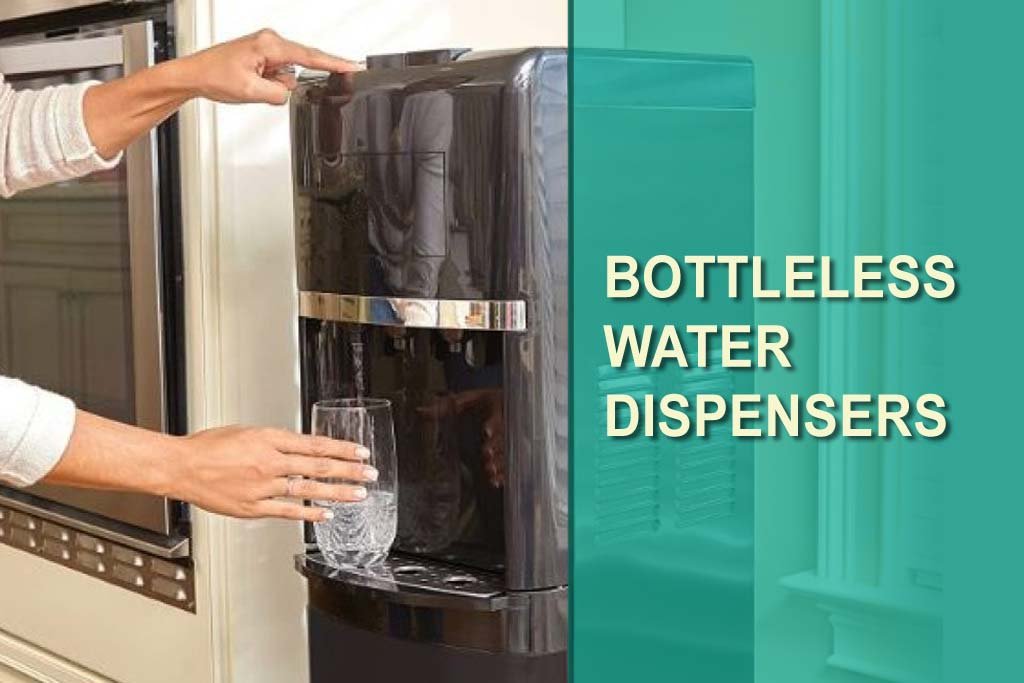
Lifting heavy water bottles, finding storage space, and dealing with recurring deliveries is one of the most common frustrations I hear from homeowners looking for a better hydration setup. That’s exactly why bottleless water dispensers have become such a popular alternative in recent years.
Updated January 13, 2026
After testing bottleless models in real homes—from small apartments to busy family kitchens—the biggest advantage is clear: they remove the hassle without sacrificing convenience. You get filtered water on demand, no bottles to replace, and far more predictable long-term costs.
That said, bottleless systems aren’t for everyone. Installation, filter replacement, and upfront pricing all matter—and choosing the wrong setup can lead to buyer’s remorse.
In this guide, I’ll break down how bottleless water dispensers work, how they compare to bottled models, what they really cost to run, and which households benefit most—so you can decide if this upgrade actually makes sense for your home in 2026.
What Is a Bottleless Water Dispenser?
A bottleless water dispenser is a water dispensing system that connects directly to your home’s water supply instead of relying on large refillable bottles. The water passes through built-in filtration before being dispensed as cold, hot, or room-temperature water.
In simple terms, it’s designed to give you continuous access to drinking water without lifting, storing, or replacing bottles.
How Bottleless Water Dispensers Work
Bottleless systems tap into an existing cold-water line—typically under the sink or behind the unit itself. Inside the dispenser, water flows through one or more filters that reduce chlorine, sediment, and other common contaminants before reaching the internal tank.
From there, the dispenser:
- chills water for cold dispensing
- heats water for hot use (if equipped)
- maintains temperature automatically throughout the day
In real-world use, this setup feels far more seamless than bottled systems. You never “run out” of water, and there’s no waiting on deliveries.
How They Differ from Bottled Models
The biggest difference comes down to convenience and long-term ownership.
Bottled dispensers:
- require heavy lifting
- depend on ongoing water purchases
- need space for spare bottles
Bottleless dispensers:
- provide unlimited water
- eliminate bottle storage
- rely on filter replacement instead of deliveries
For homeowners planning to stay put, bottleless systems often become the more practical option over time—especially when paired with guidance from the Water Dispenser Buying Guide.
Bottleless vs Bottled Water Dispensers (Quick Comparison)
If you’re deciding between bottleless and bottled water dispensers, the trade-offs are fairly straightforward once you see them side by side.
| Feature | Bottleless Water Dispenser | Bottled Water Dispenser |
|---|---|---|
| Water supply | Direct water line | Refillable bottles |
| Lifting required | ❌ None | ✅ Heavy bottles |
| Ongoing cost | Filters + electricity | Bottled water deliveries |
| Installation | Required | Plug-and-play |
| Long-term cost | Lower over time | Higher with frequent use |
| Best for | Long-term homes, families | Rentals, short-term use |
From experience, households that drink a lot of water quickly appreciate the freedom bottleless systems offer. However, renters or short-term setups may still prefer bottled models.
For a deeper cost breakdown—including electricity usage—see How Much Electricity Does a Water Dispenser Use.
Pros and Cons of Bottleless Water Dispensers
Bottleless water dispensers solve a lot of everyday problems—but they also introduce a few considerations that buyers should be clear about upfront. Being honest here isn’t a downside; it’s what prevents regret later.
✅ Pros of Bottleless Water Dispensers
From real-world home use, these are the benefits people notice immediately:
- No heavy lifting – no more flipping or storing 5-gallon bottles
- Unlimited water supply – ideal for families and frequent use
- Cleaner setup – no bottle storage clutter
- Lower long-term cost compared to bottled water
- More predictable expenses (filters + electricity)
For many homeowners, this shift alone is enough to justify the upgrade—especially when guided by the Water Dispenser Buying Guide.
⚠️ Cons to Consider Before Buying
Bottleless systems aren’t completely hands-off:
- Installation is required (DIY or professional)
- Filters must be replaced regularly
- Higher upfront cost than basic bottled models
- Less flexibility if you plan to move soon
In my experience, buyers who understand these trade-offs upfront are far more satisfied long-term.
How Much Does a Bottleless Water Dispenser Cost to Run?
This is where most buyers expect bad news—but the reality is usually much better than expected.
Electricity Costs
Bottleless water dispensers use electricity for cooling, heating (if equipped), and filtration. In a typical US household, the monthly electricity cost is still quite modest.
Most homes can expect:
- $5–$9 per month in electricity
- slightly more if hot water is used frequently
For a detailed breakdown, see How Much Electricity Does a Water Dispenser Use.
Filter Replacement Costs
Filters are the main ongoing expense.
Typical costs:
- replacement every 3–6 months
- $40–$120 per year, depending on filter type
While this adds to ownership cost, many households still come out ahead compared to bottled water deliveries.
Bottleless vs Bottled: Long-Term Cost Reality
Over time, bottleless dispensers often cost less overall, especially for families or multi-person households. Electricity and filters replace bottled deliveries—but at a far more predictable rate.
Installation & Maintenance: What to Expect
Installation is the biggest mental hurdle for many buyers—but it’s usually simpler than it sounds.
Installation Basics
Most bottleless dispensers connect to:
- an existing cold water line
- under-sink plumbing
- or a nearby water source
Some models are DIY-friendly, while others benefit from professional installation—especially if drilling or routing lines is required.
For renters or short-term setups, bottled models may still make more sense. Homeowners planning to stay put tend to benefit most from bottleless systems.
Maintenance & Cleaning
Routine maintenance is straightforward:
- replace filters on schedule
- wipe dispensing nozzles weekly
- deep clean every few months
Neglecting maintenance is the fastest way to reduce performance or water taste—regardless of model.
Best Bottleless Water Dispensers for Home Use (2026)
Rather than overwhelming you with dozens of options here, this page focuses on helping you decide whether bottleless is right for you.
Once you’re confident it is, head to our dedicated picks:
👉 Best Water Dispensers for Home Use
That guide breaks down top-rated bottleless models by:
- filtration quality
- noise level
- energy efficiency
- overall value for money
Each recommendation includes real-world pros and cons, not just specs.
Who Should Choose a Bottleless Water Dispenser?
Bottleless systems are especially well-suited for:
- families with high daily water use
- homeowners planning to stay long-term
- people tired of lifting bottles
- anyone trying to reduce bottled water purchases
If this sounds like your household, bottleless is often the most practical upgrade you can make.
When a Bottleless Dispenser Is NOT the Best Choice
Just as important—there are times when bottleless isn’t ideal.
You may want to reconsider if:
- you rent short-term and can’t install plumbing
- you move frequently
- you drink very little water at home
- you want a purely plug-and-play solution
In these cases, bottled dispensers or even countertop options may be a better fit. A clear comparison is available in Water Dispenser vs Water Cooler.
Conclusion
Bottleless water dispensers offer one of the cleanest, most convenient hydration setups available—but only when they match your living situation and expectations.
If you value unlimited water, lower long-term costs, and a clutter-free kitchen, bottleless systems are hard to beat. If flexibility and simplicity matter more, bottled options still have a place.
To compare all dispenser types and choose with confidence, start with the Water Dispenser Buying Guide—it ties every option together so you can move forward without second-guessing.
❓ Frequently Asked Questions About Bottleless Water Dispensers
Are bottleless water dispensers worth it for home use?
Yes—for many households, bottleless water dispensers are worth it long-term. They eliminate heavy bottle lifting, provide unlimited water, and often cost less over time than bottled systems. For a full comparison across all dispenser types, see Water Dispenser Buying Guide.
How much does a bottleless water dispenser cost per month?
Most bottleless water dispensers cost $5–$9 per month in electricity, plus filter replacement costs. Even with filters included, many households still save money compared to bottled water deliveries. A detailed breakdown is available in How Much Electricity Does a Water Dispenser Use.
Do bottleless water dispensers really filter tap water?
Yes, bottleless dispensers use built-in filtration systems to reduce chlorine, sediment, and common impurities. Filtration quality depends on the filter type and replacement schedule, which is why regular maintenance matters.
Is installation difficult for a bottleless water dispenser?
Installation is usually straightforward for homeowners with access to a cold water line. Some models are DIY-friendly, while others benefit from professional installation. Renters or short-term setups may prefer bottled models instead.
Are bottleless water dispensers safe for families with kids?
Modern bottleless water dispensers are generally safe and often include child safety locks on hot water taps. As with any appliance that dispenses hot water, supervision and safety features are important.
Bottleless vs bottled water dispensers — which is cheaper?
For moderate to high water use, bottleless dispensers are usually cheaper over time. Bottled systems involve recurring water deliveries, while bottleless systems rely on predictable costs like filters and electricity.
Do bottleless water dispensers use more electricity than bottled ones?
Bottleless dispensers may use slightly more electricity due to filtration and continuous operation, but the difference is small. Electricity cost is rarely the deciding factor when choosing between the two.
When should you NOT choose a bottleless water dispenser?
Bottleless dispensers may not be ideal if you rent short-term, move frequently, or want a purely plug-and-play solution. In those cases, bottled or countertop models may be a better fit. See Water Dispenser vs Water Cooler for alternatives.