



If you’re stuck deciding between bottled vs bottleless water dispensers, you’re asking the right question. This is one of those home upgrades that looks simple on the surface—but the “best” choice really depends on how you live, how long you plan to stay in your home, and how much water you actually use every day.
Over the years, I’ve tested both types in real homes—from small rental apartments to busy family kitchens. What I’ve learned is this: there is no single best option for everyone. Bottled dispensers still make sense in certain situations, while bottleless systems can be a long-term win for others.
This guide breaks down the real differences—costs, convenience, installation, and daily use—so you can choose the option that fits your home without second-guessing the decision later. For a full overview of all dispenser types and buying considerations, you can also start with the Water Dispenser Buying Guide.
What Is a Bottled Water Dispenser?
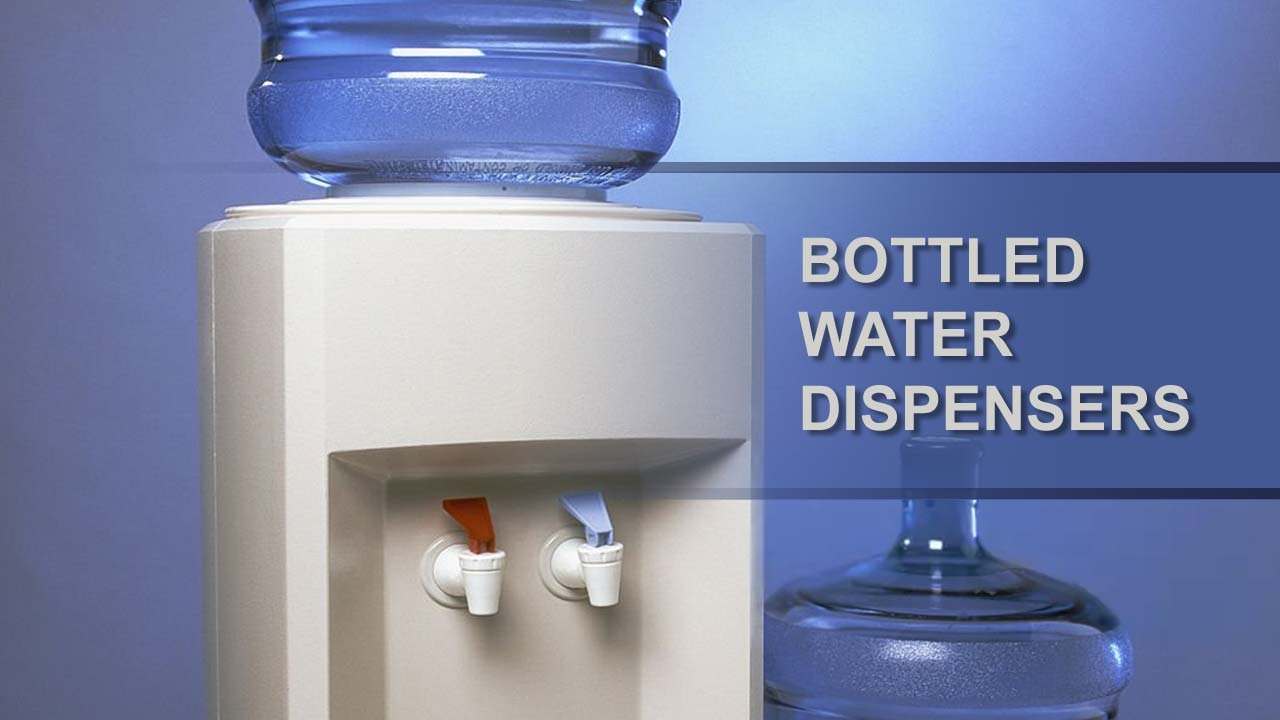
A bottled water dispenser uses large refillable water bottles—typically 3 or 5 gallons—to supply drinking water. The bottle is either placed on top of the unit or loaded into the bottom, and the dispenser cools or heats the water as needed.
Despite being seen as “old-school,” bottled dispensers are still widely used in homes and offices for a reason: they’re simple, flexible, and require no installation.
How Bottled Dispensers Work
Bottled dispensers operate on a straightforward system. Once the bottle is loaded, gravity feeds water into an internal reservoir. From there, the dispenser:
- chills water for cold use
- heats water for hot beverages (if equipped)
- dispenses water on demand
There’s no plumbing involved, no filters to install, and no permanent changes to your space. You plug it in, load a bottle, and it’s ready to use.
This plug-and-play setup is one of the biggest reasons bottled dispensers remain popular—especially for short-term living situations.
Common Use Cases for Bottled Water Dispensers
From real-world experience, bottled dispensers work best for:
- renters who can’t modify plumbing
- short-term homes or temporary setups
- people with low to moderate water consumption
- offices or shared spaces with delivery service access
The trade-offs come later: heavy bottle lifting, storage space for extras, and recurring water deliveries. These factors are covered in more detail in 5 Things to Look for When Choosing the Best Water Dispenser.
What Is a Bottleless Water Dispenser?
A bottleless water dispenser connects directly to your home’s water supply and uses built-in filtration to provide clean drinking water without the need for bottles.
Instead of replacing bottles, you replace filters—and instead of worrying about running out of water, you have continuous access straight from the tap.
How Bottleless Systems Connect to Your Home
Bottleless dispensers are typically connected to an existing cold water line, either under the sink or behind the unit. Once connected, water flows through internal filtration before entering the cooling and heating system.
Most models include:
- multi-stage filtration
- temperature control for cold and hot water
- automatic refill without user intervention
While installation adds an extra step upfront, it also removes the need for deliveries, bottle storage, and lifting altogether.
Filtration & Continuous Water Supply
The biggest practical advantage of bottleless systems is consistency. You’re never waiting on a new bottle or realizing you’ve run out of water mid-day.
Filters are designed to reduce common impurities like chlorine, sediment, and odors. As long as filters are replaced on schedule, water quality stays consistent and predictable.
For homeowners planning to stay put—and for families with higher daily water use—this setup often becomes more convenient over time. A deeper breakdown of bottleless models, costs, and use cases is available in Bottleless Water Dispensers.
Bottled vs Bottleless Water Dispensers (Quick Comparison)
When you put bottled and bottleless water dispensers side by side, the differences become much clearer. This quick comparison isn’t about declaring a winner—it’s about matching each option to the right use case.
| Feature | Bottled Water Dispenser | Bottleless Water Dispenser |
|---|---|---|
| Water source | Refillable bottles | Direct water line |
| Installation | ❌ None | ✅ Required |
| Upfront cost | Lower | Higher |
| Ongoing costs | Bottled water deliveries | Filters + electricity |
| Convenience | Bottle lifting & storage | Unlimited water |
| Best for | Renters, short-term use | Long-term homes, families |
| Long-term value | Lower with frequent use | Higher over time |
In real homes, the decision usually comes down to commitment. If you want flexibility and zero setup, bottled wins. If you want convenience and predictable long-term costs, bottleless pulls ahead.
For a broader framework that includes countertop and specialty models, the Water Dispenser Buying Guide ties all options together.
Cost Comparison — Which Is Cheaper Over Time?
Cost is where many buyers change their mind. What looks cheaper upfront doesn’t always stay that way.
Bottled Water Dispenser Costs
Bottled dispensers typically have a lower purchase price, but ongoing expenses add up quickly:
- recurring bottled water deliveries or store purchases
- storage space for spare bottles
- potential price increases over time
For households with moderate to high water use, bottled costs can quietly become the most expensive part of ownership.
Bottleless Water Dispenser Costs
Bottleless systems shift costs away from water purchases and toward:
- filter replacements (usually every few months)
- modest electricity use
While the initial price and installation are higher, many homeowners find that bottleless systems break even within the first year or two, especially in family households.
Electricity is often overestimated as a cost factor. In reality, it’s usually minor compared to water deliveries. A detailed breakdown is covered in How Much Electricity Does a Water Dispenser Use.
Convenience & Daily Use Experience
Specs and pricing matter—but daily experience is what ultimately determines satisfaction.
Lifting, Refills & Storage
Bottled dispensers require regular lifting and handling of heavy water jugs. For some users, this is manageable. For others, it becomes the main frustration.
Bottleless systems eliminate this entirely. There are no refills, no spare bottles, and no planning around deliveries.
Noise, Space & Maintenance
- Bottled dispensers tend to be simpler and quieter, but need space for bottles.
- Bottleless dispensers may include filtration and cooling systems, but modern models are generally quiet and compact.
Maintenance differs too. Bottled systems rely on clean bottles, while bottleless systems rely on timely filter changes. Neither is difficult—but each favors a different type of user.
From long-term testing, people who value low effort and consistency usually prefer bottleless systems, while those who value flexibility lean toward bottled.
Who Should Choose a Bottled Water Dispenser?
Bottled water dispensers still make sense—when they’re matched to the right situation. In real homes, these are the scenarios where they shine.
- Renters and short-term living: No plumbing, no modifications, no landlord approvals. Plug it in and you’re done.
- Low to moderate water use: If you’re not going through gallons every day, ongoing bottle costs stay manageable.
- Temporary offices or shared spaces: Easy to set up, easy to remove, and compatible with delivery services.
- Maximum flexibility: Moving soon? A bottled unit comes with you.
The trade-off is convenience over time. Lifting bottles, storing extras, and coordinating deliveries are part of the deal. If you want a broader checklist before deciding, the 5 Things to Look for When Choosing the Best Water Dispenser article walks through the practical considerations step by step.
Who Should Choose a Bottleless Water Dispenser?
Bottleless systems are built for consistency and long-term value. When people switch and stick with them, it’s usually for these reasons:
- Families and high daily water use: Unlimited supply without running out mid-day.
- Long-term homeowners: Installation pays off when you’re not moving anytime soon.
- Anyone tired of lifting bottles: No refills, no storage, no deliveries.
- Predictable monthly costs: Filters + modest electricity instead of fluctuating water prices.
In everyday use, bottleless systems feel “set it and forget it.” Replace filters on schedule, and that’s it. If you’re evaluating specific models and features, the dedicated guide on Bottleless Water Dispensers breaks down top options, costs, and use cases in more detail.
Electricity concerns are usually overblown; the real expense driver is water consumption. For a clear cost picture, reference How Much Electricity Does a Water Dispenser Use.
When Neither Option Is Ideal
There are also cases where neither bottled nor bottleless is the best answer—and acknowledging that builds trust.
You may want to skip both if:
- you drink very little water at home
- your refrigerator already has a high-quality dispenser
- you prefer under-sink filtration for cooking and drinking
- you’re minimizing appliances and countertop clutter
In these scenarios, adding a standalone dispenser won’t add much value. That’s okay. The goal isn’t to buy something—it’s to buy the right thing for how you live.
Conclusion
Choosing between bottled vs bottleless water dispensers comes down to lifestyle, time horizon, and daily habits—not hype. Bottled systems offer flexibility and simplicity, while bottleless systems deliver long-term convenience and predictable costs.
If you’re renting or moving soon, bottled makes sense. If you’re settled and drink water frequently, bottleless often wins over time. There’s no wrong choice—only a better match.
For a complete, side-by-side view of all dispenser types and buying considerations, finish your decision with the Water Dispenser Buying Guide. And when you’re ready to compare top models by value and performance, head to Best Water Dispensers for Home Use.

❓ Frequently Asked Questions
Is a bottleless water dispenser cheaper than bottled over time?
For moderate to high water use, yes. Bottleless systems replace deliveries with filter changes and modest electricity, which often costs less long-term. See How Much Electricity Does a Water Dispenser Use for real numbers.
Which option is better for renters?
Bottled water dispensers. They require no plumbing or permanent changes and are easy to move when your lease ends.
Do bottleless water dispensers filter tap water?
Yes. Bottleless models use built-in filtration to reduce chlorine, sediment, and odors. Consistent filter replacement keeps water quality stable. Details are covered in Bottleless Water Dispensers.
Are bottled dispensers outdated?
No. Bottled dispensers still make sense for short-term setups, low water use, or places where installation isn’t allowed. The choice depends on your situation.
Which option is more convenient day to day?
Bottleless systems are typically more convenient long-term—no lifting, no storage, no deliveries. Bottled units trade some convenience for flexibility.
How much electricity do these dispensers use?
Both types use a small amount of electricity. Hot & cold models use more than cold-only units, but costs are usually just a few dollars per month. See How Much Electricity Does a Water Dispenser Use.
When should I skip both options?
If you drink little water at home, already have a reliable fridge dispenser, or prefer under-sink filtration, a standalone dispenser may not add value. The Water Dispenser Buying Guide covers alternatives.