



Important newborn fever guidance: For infants under 3 months, a digital rectal temperature is the most accurate method of checking for fever. If a baby aged 3 months or younger has a rectal temperature of 100.4°F (38°C) or higher, contact a pediatrician immediately, even if the baby otherwise appears well. Do not rely on an ear thermometer for babies under 6 months. See the American Academy of Pediatrics guidance on infant fever.
Checking your newborn’s temperature can feel intimidating—especially the first few times. When your baby is so small and still adjusting to the world, even a slight change can make you worry if you’re doing everything right. And that feeling is completely normal.
The best baby thermometers for newborns are designed to make this moment simpler, safer, and less stressful. They offer quick, reliable readings without causing discomfort, helping you focus on what matters most—comforting your baby and deciding your next step with confidence.
In 2026, parents have better options than ever before. Modern baby thermometers are more accurate, easier to use, and far safer than older glass or mercury-based models. Many are non-contact or gentle digital designs, made specifically with newborn safety in mind.
If you’re still putting together your baby care basics, our newborn essentials checklist can help you focus on what truly matters during the first weeks.
This guide walks you through the safest and most accurate baby thermometers available today, explains what truly matters when choosing one, and helps you feel prepared—whether you’re checking a mild temperature or responding to a moment that needs closer attention. We’ll start with a quick overview of the best picks, then dive deeper so you can choose calmly and confidently.
Quick Picks — Best Baby Thermometers for Newborns (2026)
If you want a clear starting point, these quick picks highlight the best baby thermometers for newborns in 2026, based on accuracy, safety, ease of use, and real parent experiences. Each option fits a slightly different situation, because no two families—or babies—are exactly the same.
Best Overall Baby Thermometer
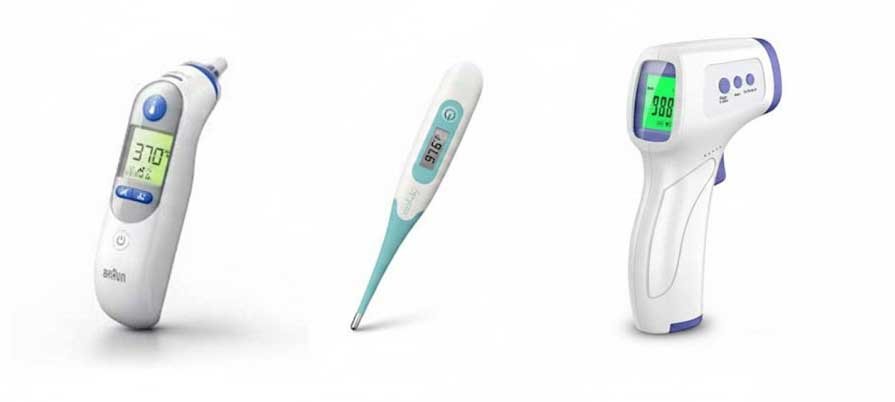
Braun ThermoScan Digital Ear Thermometer
A long-time favorite in many U.S. households, this thermometer offers fast, consistent readings and is widely trusted by parents and pediatricians alike.
Why parents like it:
- quick, reliable results
- gentle design suitable for babies
- easy-to-read display
Age suitability:
This ear thermometer should not be used to assess fever in babies younger than 6 months. It is not a recommended primary thermometer for newborns. For infants under 3 months, a correctly used digital rectal thermometer provides the most accurate reading, according to the American Academy of Pediatrics.
Best Non-Contact Baby Thermometer
iHealth No-Touch Forehead Thermometer
This option allows you to take a temperature without waking or disturbing your baby—especially helpful during sleep or nighttime checks.
Why parents like it:
- non-contact, hygienic use
- silent mode for night checks
- clear digital display
Best for:
Families who want a stress-free, no-touch option for newborn temperature monitoring.
Best Budget Baby Thermometer
Vicks SpeedRead Digital Thermometer
Simple, affordable, and easy to use, this thermometer covers the basics without unnecessary features.
Why parents like it:
- budget-friendly
- fast readings
- straightforward design
Best for:
Parents who want a reliable backup thermometer or a simple primary option.

Best Travel-Friendly Baby Thermometer
Kinsa QuickCare Smart Thermometer
Compact and portable, this thermometer is easy to pack and offers quick readings on the go.
Why parents like it:
- lightweight and travel-ready
- fast temperature readings
- easy to clean
Best for:
Families who travel often or want a compact thermometer for diaper bags.
Best for Hospital-Grade Accuracy
Safety 1st Rapid Read Digital Thermometer
This thermometer focuses on dependable readings with a design that’s easy to use at home.
Why parents like it:
- consistent accuracy
- simple operation
- durable build
Best for:
Parents who want a straightforward, accuracy-focused option for newborn care.
Gentle Reminder:
No thermometer replaces your instincts. These tools are here to support you—not to add anxiety. Choose the one that fits your routine and helps you feel calm when checking your baby’s health.
A reliable thermometer is just one part of your setup — here’s our complete guide to the best baby gear for new parents, designed to make daily care feel more manageable.
How We Chose the Best Baby Thermometers (Our 2026 Methodology)
When it comes to newborn health, accuracy and safety matter more than bells and whistles. For this 2026 guide, we focused on what truly helps parents feel confident during a temperature check—especially in those moments when you’re tired, worried, or simply want a clear answer.
Here’s how we evaluated each thermometer.
Accuracy You Can Rely On
We prioritized thermometers known for consistent, repeatable readings. A reliable result helps you decide what to do next—whether that’s offering comfort, monitoring at home, or calling your pediatrician.
For medical reference, the CDC guidance on infant fever explains when a temperature may need professional attention and how to respond calmly.
Newborn-Safe Design
Glass and mercury thermometers were excluded. We focused on modern digital and infrared options designed with newborn safety in mind—gentle to use and appropriate for tiny bodies.
Ease of Use (Especially at Night)
Simple controls, clear displays, and quiet operation mattered. If a thermometer felt confusing or disruptive during a nighttime check, it didn’t make the cut.
Speed Without Stress
Quick readings reduce discomfort and keep temperature checks calm. We favored thermometers that deliver results in seconds without sacrificing accuracy.
Trusted Guidance & Parent Feedback
Our choices align with commonly referenced pediatric guidance from the American Academy of Pediatrics and public health recommendations from the Centers for Disease Control and Prevention. We also reviewed long-term parent feedback to understand how these thermometers perform in real homes, not just in ideal conditions.
What Type of Thermometer Is Safest for Newborns?
Choosing a thermometer can feel confusing—especially when there are so many types. The safest option for your newborn is the one that balances accuracy, comfort, and ease of use.
Many pediatricians follow the AAP recommendations for infant health, which offer trusted, evidence-based advice for parents.
Non-Contact Forehead Thermometers
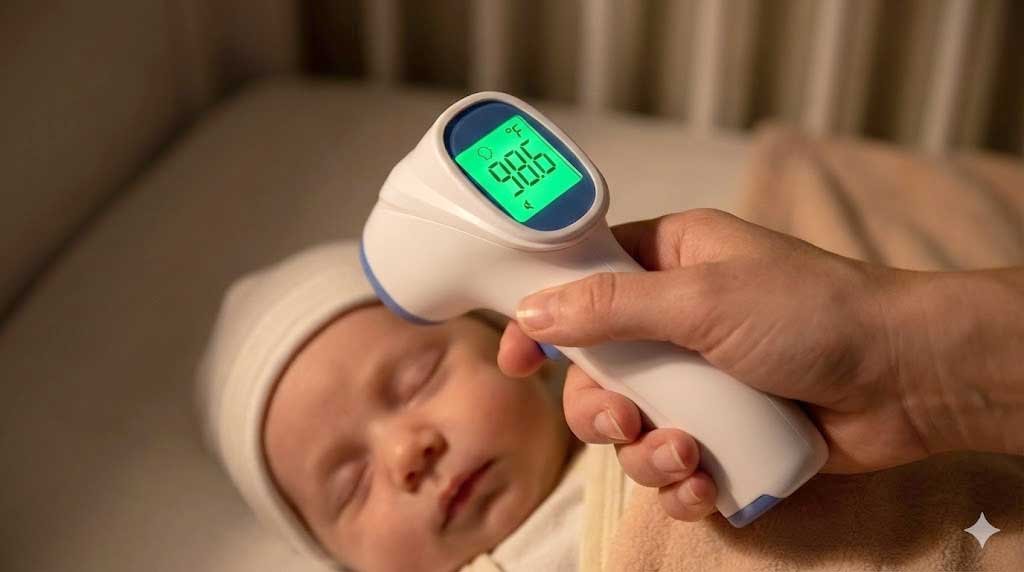
These allow you to check temperature without touching your baby’s skin. They’re especially helpful during sleep and for frequent monitoring.
Best for:
Quick, stress-free checks—especially at night.
Digital Thermometers
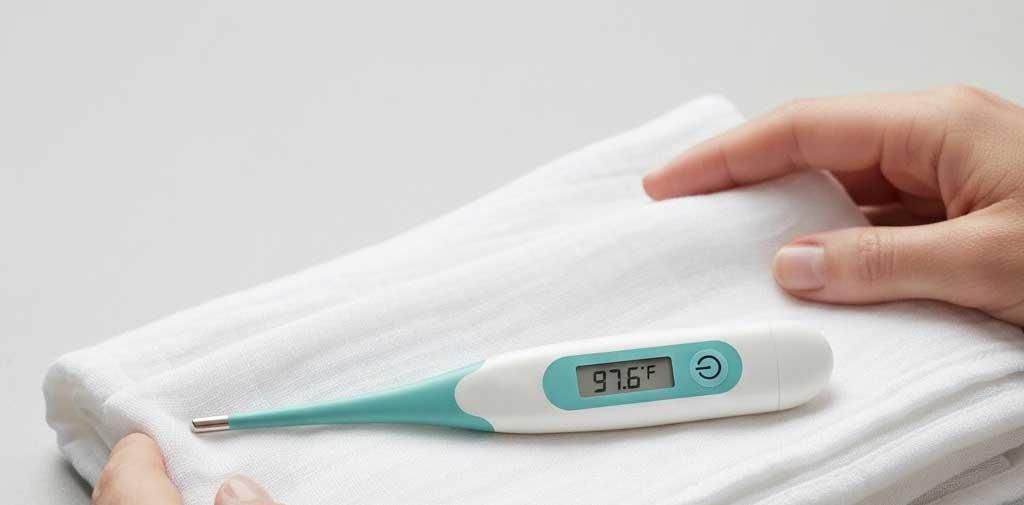
Often used under the arm or rectally (with guidance), digital thermometers can offer very accurate readings. Rectal use should always follow pediatric advice and careful instructions.
Best for:
Parents who want medical-grade accuracy and feel comfortable using them correctly.
Ear (Tympanic) Thermometers
Ear thermometers are not reliable for babies under 6 months because their ear canals are too small for accurate readings, according to the American Academy of Pediatrics. Do not use an ear reading to rule out fever in a newborn.
Best for:
Children aged 6 months and older, provided the device instructions support their age and the thermometer is positioned correctly.
Why Glass Thermometers Are No Longer Recommended
Older glass or mercury thermometers are fragile and pose safety risks if broken. Modern digital and infrared options are safer, faster, and easier to read—making them a better choice for today’s parents.
Health and safety go hand in hand — our newborn safe sleep guide covers other simple habits that help protect your baby during the earliest months.
How to Take a Newborn’s Temperature Safely
Taking your newborn’s temperature doesn’t have to feel overwhelming. With a few simple steps, you can make the process gentle, quick, and reassuring—for both you and your baby.
You can also review FDA safety guidance for medical thermometers to understand why modern digital options are preferred over older designs.
Choose the Right Moment
Pick a calm time when your baby isn’t crying intensely or feeding. A settled baby usually gives more accurate readings and a smoother experience.
Follow the Thermometer’s Instructions
Each thermometer works a little differently. Take a moment to read the manufacturer’s directions, especially if it’s your first time using that model.
Keep It Gentle and Consistent
- For non-contact thermometers, hold the device at the recommended distance.
- For digital thermometers, place it as directed and wait for the signal before removing it.
Avoid rushing—steady, gentle movements help your baby stay calm.
Double-Check If Needed
If a reading seems unexpected, it’s okay to wait a few minutes and check again. Consistency matters more than speed.
Reassuring note:
It’s normal to feel unsure at first. With a little practice, temperature checks become just another calm part of caring for your newborn.
Baby Thermometers vs Adult Thermometers — Is There a Difference?
Many parents wonder if an adult thermometer can work for a newborn. While some digital models may technically measure temperature, baby thermometers are designed with newborn needs in mind.
Why Baby Thermometers Are Different
- Gentler designs suited for small bodies
- Faster readings to reduce discomfort
- Age-appropriate accuracy ranges
Adult thermometers may lack these features, making them less ideal during the newborn stage.
Bottom line:
If you’re checking a newborn’s temperature, a thermometer designed specifically for babies is usually the safer and more comfortable choice.
When to Call the Pediatrician
Knowing when to seek medical advice can bring peace of mind. Trust your instincts—if something doesn’t feel right, it’s always okay to ask.
In general, you should contact your pediatrician if:
- your newborn has a temperature of 100.4°F (38°C) or higher
- your baby seems unusually sleepy, irritable, or difficult to soothe
- feeding patterns change suddenly
- you’re worried, even without a clear reason
Gentle reassurance:
You’re not overreacting by reaching out. Pediatricians expect these questions and are there to help guide you.
FAQs — Baby Thermometers for Newborns (2026)
Are non-contact thermometers accurate for newborns?
They can be accurate when used correctly, especially for quick checks. Always follow the manufacturer’s guidelines and recheck if a reading seems off.
Is an ear thermometer safe for newborns?
Some are, but many are recommended for older babies. Check age guidelines carefully before use.
What temperature is considered a fever in newborns?
A temperature of 100.4°F (38°C) or higher is generally considered a fever and should be discussed with a pediatrician.
How often should I check my baby’s temperature?
Only when there’s a reason—such as illness, unusual behavior, or guidance from your pediatrician.
Can I use the same thermometer for the whole family?
It’s best to have a thermometer dedicated to your baby for hygiene and accuracy.
Final Thoughts — Choosing a Thermometer With Confidence
Caring for a newborn comes with many firsts, and checking your baby’s temperature is one of them. The best baby thermometers for newborns are there to support you—not to add pressure or fear.
Choose a safe, modern thermometer that fits your routine and feels easy to use, even when you’re tired. With the right tool and a calm approach, temperature checks can become a simple, reassuring part of caring for your baby—one more way you’re showing up with love and confidence every day.
{ “@context”: “https://schema.org”, “@type”: “FAQPage”, “mainEntity”: [ { “@type”: “Question”, “name”: “Are non-contact thermometers accurate for newborns?”, “acceptedAnswer”: { “@type”: “Answer”, “text”: “Non-contact thermometers can be accurate for newborns when used correctly and at the recommended distance. For best results, follow the manufacturer’s instructions, take readings on a clean, dry forehead, and recheck if the result seems unexpected.” } }, { “@type”: “Question”, “name”: “Is an ear thermometer safe for newborns?”, “acceptedAnswer”: { “@type”: “Answer”, “text”: “Some ear (tympanic) thermometers are safe for newborns, but many are designed for older babies. Always check the age guidance for your specific model and use it exactly as directed to reduce the chance of inaccurate readings.” } }, { “@type”: “Question”, “name”: “What temperature is considered a fever in newborns?”, “acceptedAnswer”: { “@type”: “Answer”, “text”: “In general, a temperature of 100.4°F (38°C) or higher is considered a fever in newborns. If your baby reaches this temperature, contact your pediatrician for guidance.” } }, { “@type”: “Question”, “name”: “How often should I check my newborn’s temperature?”, “acceptedAnswer”: { “@type”: “Answer”, “text”: “You typically only need to check your newborn’s temperature when there’s a reason—such as signs of illness, unusual sleepiness, feeding changes, or if your pediatrician advises monitoring. Routine frequent checks aren’t necessary for most healthy newborns.” } }, { “@type”: “Question”, “name”: “Can I use an adult thermometer on a newborn?”, “acceptedAnswer”: { “@type”: “Answer”, “text”: “Some digital adult thermometers may work, but baby thermometers are designed for newborn comfort, faster readings, and more appropriate use cases. For the newborn stage, a thermometer made for babies is usually the safer and more convenient choice.” } }, { “@type”: “Question”, “name”: “What type of thermometer is best for a newborn?”, “acceptedAnswer”: { “@type”: “Answer”, “text”: “Many parents prefer a non-contact forehead thermometer for quick checks and a digital thermometer as a reliable backup. The best choice depends on your comfort level, your baby’s age, and how easy the thermometer is to use correctly.” } }, { “@type”: “Question”, “name”: “Why are glass thermometers not recommended anymore?”, “acceptedAnswer”: { “@type”: “Answer”, “text”: “Glass thermometers can break easily and may pose safety risks, especially if they contain mercury. Modern digital and infrared thermometers are safer, easier to read, and better suited for newborn care.” } }, { “@type”: “Question”, “name”: “When should I call the pediatrician about a newborn’s temperature?”, “acceptedAnswer”: { “@type”: “Answer”, “text”: “Contact your pediatrician if your newborn has a temperature of 100.4°F (38°C) or higher, or if your baby seems unusually sleepy, hard to soothe, feeds poorly, or you’re concerned for any reason. It’s always okay to ask for guidance.” } } ] }