



Choosing the Best Binoculars for Outdoor Use in 2026
Choosing the best binoculars for outdoor use in 2026 is less about chasing the highest magnification and more about matching optics to how you actually spend time outside. Whether you’re birdwatching in a local park, hiking national trails, or scanning landscapes on weekend trips, the right binoculars should feel natural in your hands and deliver a clear, comfortable view without constant adjustment.
The outdoor optics market has become crowded. Compact roof-prism models promise portability, while traditional designs still dominate when it comes to viewing comfort and depth perception. Prices also vary widely, and spending more doesn’t always guarantee a better experience—especially for casual or intermediate users.
This buyer’s guide is built for US outdoor conditions and buying habits. We focus on real-world performance: clarity in daylight, ease of use during long sessions, durability, and overall value. Instead of overwhelming you with specs, we’ll break down what actually matters and point you toward binoculars that make outdoor viewing more enjoyable in 2026.
If you want confident recommendations grounded in practical use—not marketing hype—you’re in the right place.
How to Choose Binoculars for Outdoor Use
Magnification Explained: 8× vs 10×
Magnification is usually the first number people notice, but it’s also one of the most misunderstood. In simple terms, 8× binoculars make an object appear eight times closer, while 10× models bring it ten times closer. That extra reach sounds appealing, but it comes with trade-offs.
For most outdoor activities, 8× magnification is the safer and more versatile choice. It provides a wider field of view, making it easier to locate birds or track moving subjects. It also reduces visible hand shake, which becomes more noticeable as magnification increases. This is especially important if you’re viewing handheld for extended periods.
10× binoculars can be useful for observing distant wildlife or open landscapes, but they demand steadier hands and often feel less forgiving for beginners. Unless you regularly observe far-off subjects, 8× (or 8.5×) tends to deliver a more relaxed and enjoyable viewing experience.
Objective Lens Size: 32 mm vs 42 mm
The second number—such as 32 mm or 42 mm—refers to the diameter of the objective lenses. This directly affects brightness, size, and weight.
- 32 mm binoculars strike a strong balance for hiking and general outdoor use. They’re lighter, easier to carry, and still bright enough for most daytime conditions.
- 42 mm binoculars gather more light, which helps in early morning or late evening viewing. The downside is added bulk and weight, which can be noticeable on longer hikes.
For most outdoor enthusiasts, 32 mm models are more than sufficient and significantly easier to live with day to day. Larger objectives make sense if low-light viewing is a priority, but they’re not automatically “better” for everyone.
Porro vs Roof Prism Binoculars (Simply Explained)
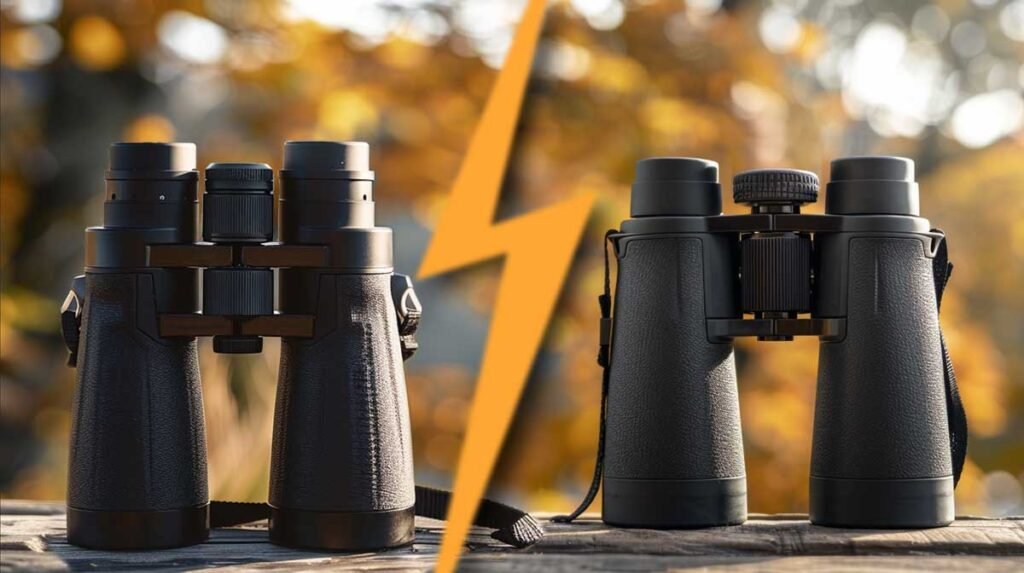
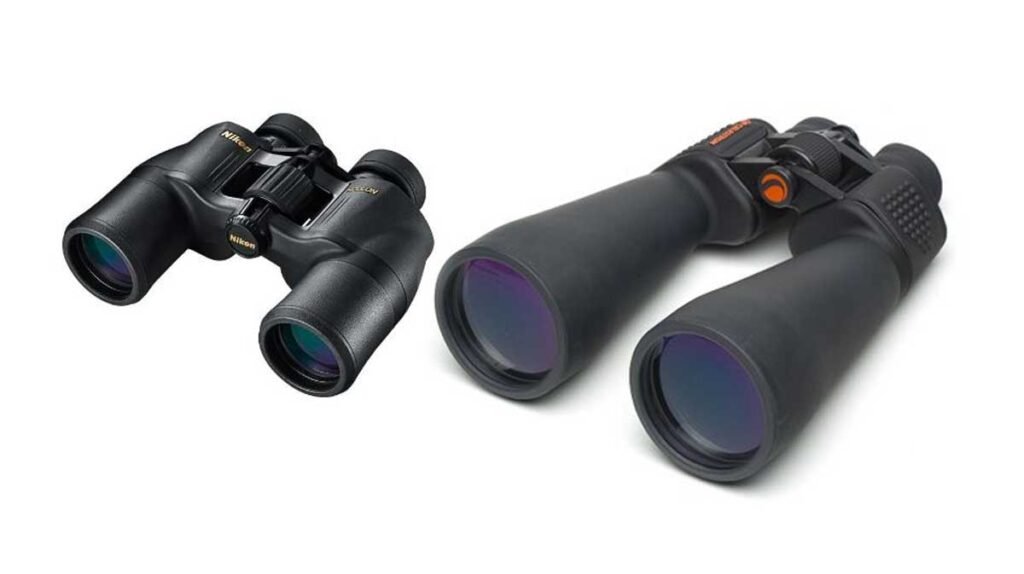
Prism design influences both image quality and ergonomics. Porro-prism binoculars have a wider, offset shape, while roof-prism binoculars are straight and compact.

Porro prisms often deliver better depth perception and a wider, more immersive view at lower prices. They’re typically easier on the eyes and more forgiving for beginners. Roof prisms, on the other hand, win on compactness and modern design but often require higher-quality glass to match the same optical comfort.
In practical outdoor use, Porro-prism binoculars still offer excellent value in 2026, especially if comfort and image depth matter more than pocketability.
Best Binoculars by Outdoor Activity
Different outdoor activities place different demands on binoculars. Instead of looking for a one-size-fits-all option, it’s smarter to choose based on how you’ll actually use them.
Best Binoculars for Birdwatching
Birdwatching benefits most from a wide field of view, comfortable magnification, and accurate color reproduction. Quick subject acquisition matters more than extreme zoom, especially when birds move unpredictably.

For most birders, 8× or 8.5× binoculars with good depth perception make tracking and identifying birds easier and less tiring. Comfort also plays a big role—models that are forgiving on eye placement and reduce hand shake allow longer viewing sessions without strain.
According to birding experts and optics guides from the National Audubon Society, a wider field of view and comfortable magnification are more important than extreme zoom for birdwatching.
This is where mid-range binoculars with proven designs often outperform newer compact options. A relaxed, immersive view can make the difference between frustration and enjoyment, especially during long mornings in the field.
Best Binoculars for Hiking & Travel
When hiking or traveling, binoculars need to earn their place in your pack. Weight, size, and ease of use matter just as much as optical quality. The best binoculars for this use case are light enough to carry all day, quick to deploy, and comfortable to view through without constant adjustments.

For most hikers, 8× or 8.5× magnification paired with 32 mm objective lenses hits the sweet spot. This setup keeps the binocular compact and balanced while still delivering a bright, clear image in typical daylight conditions. Larger 42 mm models can feel cumbersome on longer hikes, especially if you’re already carrying water, food, and other gear.
Durability is another key factor. Weather-sealed binoculars that handle dust, light rain, and temperature changes are essential for US outdoor environments. A secure grip and simple focus mechanism also make a big difference when you’re stopping briefly to glass a ridgeline or scan a valley.
Models like the Vortex Raptor 8.5×32 work well here because they balance comfort and performance without unnecessary bulk. While they aren’t pocket-sized, they’re light enough to carry and forgiving enough to use quickly—qualities that matter more on the trail than extreme compactness.
Best Binoculars for General Outdoor Use
If you want a single pair of binoculars that can handle a bit of everything—backyard wildlife, weekend hikes, casual birdwatching, and travel—general-purpose binoculars are the most practical choice. These models prioritize versatility and ease of use over specialization.
The most reliable all-around configuration is still 8× to 8.5× magnification with either 32 mm or 42 mm objectives. This range offers enough reach for wildlife and landscapes while keeping hand shake under control. It also provides a field of view wide enough for scanning without frustration.
Comfort plays a major role here. Binoculars that are easy to align with your eyes and maintain focus during longer sessions tend to get used more often. That’s why many experienced outdoor users gravitate toward designs that feel relaxed and immersive rather than ultra-compact.
General-use binoculars should also be durable and low-maintenance. Waterproofing, fog resistance, and a strong warranty add long-term value, especially if the binoculars see frequent use across different seasons.
To keep your lenses crystal clear, we recommend using the best lens cleaning wipes for binoculars designed for coated optics.
In 2026, the best general outdoor binoculars aren’t necessarily the newest models. They’re the ones that combine proven optics, comfortable handling, and realistic pricing—making them dependable companions for a wide range of outdoor activities.
Best Value vs Premium Binoculars
One of the biggest questions buyers face in 2026 is whether it’s worth paying more for premium binoculars—or if a well-chosen value model will do the job just as well. The honest answer depends less on specs and more on how you actually use your binoculars outdoors.
Value and mid-range binoculars (roughly the $100–$300 range) have improved significantly over the past few years. Many now offer solid coatings, good weather sealing, and comfortable ergonomics that cover the needs of most hikers, birdwatchers, and casual outdoor users. Designs that emphasize wide fields of view and forgiving optics often feel more enjoyable in real-world use than compact premium models pushed to hit size targets.
This is where binoculars like the Vortex Raptor 8.5×32 continue to make sense. They don’t rely on cutting-edge materials or ultra-compact engineering, but they deliver a relaxed viewing experience and dependable build quality—often at a fraction of the cost of high-end glass.
Premium binoculars, on the other hand, earn their price through refinements rather than fundamentals. You’ll see sharper edges, better low-light performance, lighter materials, and more compact designs. These benefits matter most to users who spend long hours glassing, frequently observe in challenging light, or demand the smallest possible form factor.
For many outdoor enthusiasts, the jump from entry-level to solid mid-range delivers the biggest improvement. The leap from mid-range to premium is real—but increasingly incremental. If you’re buying your first serious pair or upgrading from basic optics, value-focused binoculars often provide the best return on investment in 2026.
Common Mistakes When Buying Binoculars
Even experienced outdoor users can fall into a few common traps when shopping for binoculars. Avoiding these mistakes can save you money—and frustration.
Overvaluing magnification is the most frequent error. Higher numbers look impressive, but excessive magnification narrows the field of view and exaggerates hand shake. For most outdoor use, moderate magnification delivers a steadier, more enjoyable image.
Another mistake is buying solely based on price. Cheaper binoculars often cut corners in comfort and optical consistency, while expensive models may offer features you don’t actually need. Value comes from matching the binocular to your use case, not chasing the lowest or highest price tag.
Many buyers also ignore ergonomics. If binoculars feel awkward in your hands or difficult to align with your eyes, they’ll end up staying in a drawer. Comfort, balance, and ease of focus matter more than minor spec differences.
Finally, people often underestimate the importance of warranty and long-term support. Outdoor gear gets used—and sometimes abused. A strong warranty can turn a good purchase into a great one over time.
Choosing binoculars isn’t about perfection. It’s about avoiding these common pitfalls and picking optics that fit how you actually explore the outdoors.
Frequently Asked Questions – Best Binoculars for Outdoor Use (2026)
What are the best binoculars for outdoor use in 2026?
The best binoculars for outdoor use in 2026 are those that balance clarity, comfort, and durability for real-world conditions. For most users, models in the 8× to 8.5× range with 32 mm or 42 mm objective lenses offer the most versatile performance. They’re easier to hold steady, provide a wider field of view, and work well for birdwatching, hiking, and general nature observation.
Are 8× binoculars better than 10× for outdoor activities?
For most people, yes. 8× binoculars are more forgiving, with less hand shake and a wider view, which makes them easier to use for extended periods. 10× binoculars can be useful for distant subjects in open areas, but they require steadier hands and more frequent refocusing.
Do I need expensive binoculars for good outdoor viewing?
Not necessarily. Mid-range binoculars have reached a point where they offer excellent optical comfort and durability at reasonable prices. Premium models do deliver improvements—especially in low light and edge sharpness—but those gains are most noticeable for advanced users with specific needs.
What size binoculars are best for hiking?
For hiking, 8×32 or 8.5×32 binoculars are often ideal. They’re light enough to carry all day and still bright enough for most daytime viewing. Larger 42 mm models offer better low-light performance but add noticeable weight.
Are Porro-prism binoculars still relevant in 2026?
Absolutely. Porro-prism designs continue to offer strong depth perception and viewing comfort at lower prices. While roof-prism models dominate the compact market, Porro-prism binoculars remain a great value choice for outdoor use.
Is waterproofing really necessary?
For outdoor use, yes. Waterproof and fogproof binoculars handle sudden weather changes, humidity, and temperature shifts far better, making them more reliable over time.
Final Recommendations – How to Choose with Confidence
The best binoculars for outdoor use in 2026 aren’t defined by hype or extreme specifications. They’re defined by how naturally they fit into your time outside. For most people, that means moderate magnification, comfortable handling, and optics that feel relaxed rather than demanding.
If you’re primarily birdwatching or hiking, prioritize a wide field of view and manageable weight. If you want one pair that can do a bit of everything, look for proven designs with solid warranties and realistic pricing. Mid-range binoculars continue to offer the best balance for the majority of outdoor users, delivering meaningful performance without unnecessary complexity.
Premium binoculars still have their place, especially for dedicated enthusiasts and low-light specialists—but they’re no longer a requirement for enjoyable outdoor viewing. The biggest upgrade often comes from choosing the right configuration, not the most expensive one.
Use this guide as your foundation, then explore individual reviews to narrow down the best fit for your needs. When binoculars feel easy, comfortable, and dependable, they stop being gear—and start becoming part of the experience.