




Updated October 18, 2026. Are frozen foods harmful? Usually, no. Freezing is a preservation method, not a warning sign about nutritional quality. Plain frozen fruit, vegetables, fish, and other foods can fit into a nutritious diet. What matters most is the product’s ingredients, how it was handled, and how it is prepared.
Are Frozen Foods Less Nutritious Than Fresh Foods?
Not necessarily. Freezing helps preserve many nutrients, and freezing itself does not meaningfully reduce protein content. Some vitamins can be affected by processing and storage, but fresh produce also loses nutrients over time. Compare foods based on your overall diet and quality, not simply whether they are sold fresh or frozen. The U.S. Food and Drug Administration (FDA) explains that properly frozen foods remain safe when handled and stored correctly.
Which Frozen Foods Are Good Choices?
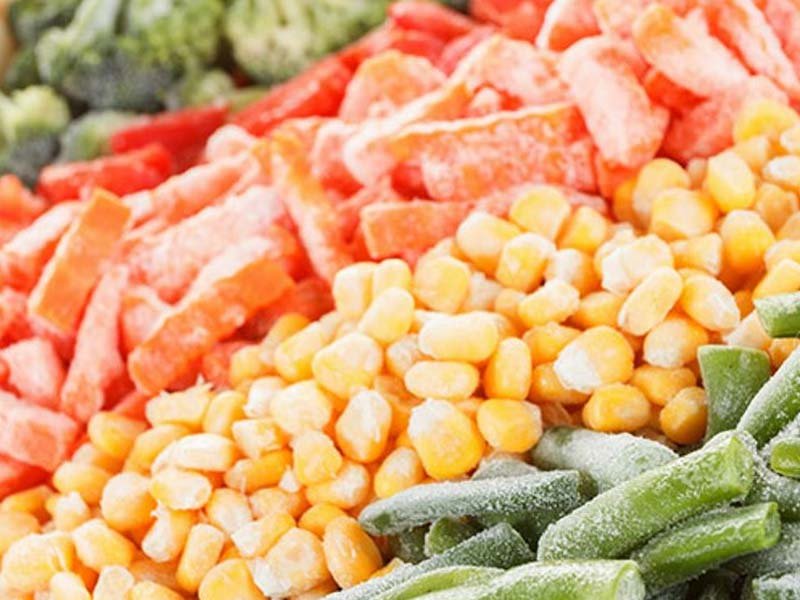
- Plain frozen vegetables: Peas, broccoli, spinach, green beans, and mixed vegetables without rich sauces are convenient options.
- Unsweetened frozen fruit: Berries, mango, and other fruit without added sugar are useful in breakfasts, smoothies, and desserts.
- Unseasoned frozen proteins: Fish, poultry, beans, and other proteins can be practical, provided they are stored, thawed, and cooked safely.
- Frozen complete meals: Some are balanced and convenient; compare their Nutrition Facts labels and ingredient lists instead of assuming all frozen meals are the same.
When Should You Be More Careful?
The main nutritional concern with some packaged frozen meals is not the freezing process: it is the recipe. Breaded foods, creamy sauces, desserts, and ready meals can have substantial amounts of sodium, saturated fat, or added sugars. Other frozen products contain very little besides their original ingredients. The FDA Nutrition Facts guide recommends using labels to compare sodium, saturated fat, added sugars, and other nutrients.
There is no single appropriate calorie, sodium, or fat limit for every frozen food and every person. Check serving size first: a container may hold more than one serving. For help interpreting this, see the FDA’s serving-size explanation.
Is Frozen Meat or Fish Unsafe?
No. Meat and fish do not become inherently harmful just because they are frozen. Safety depends on proper handling, freezer temperature, thawing, and cooking. Do not confuse plain frozen fish with a heavily breaded or salted prepared entrée: their ingredient profiles can be very different.
How to Store and Thaw Frozen Food Safely
- Keep the freezer at 0°F (-18°C) and the refrigerator at 40°F (4°C) or lower, following FDA food-storage guidance.
- Never thaw perishable food on the counter. Use the refrigerator, cold water, or microwave. Food thawed in cold water or in a microwave needs to be cooked promptly, as directed by the FDA.
- Follow package cooking instructions and use a food thermometer when preparing meat, poultry, seafood, or egg products.
- Protect quality: Seal packages well to reduce freezer burn. Freezer burn affects taste and texture; by itself, it does not mean food is unsafe.
Fresh vs. Frozen: Which Should You Buy?
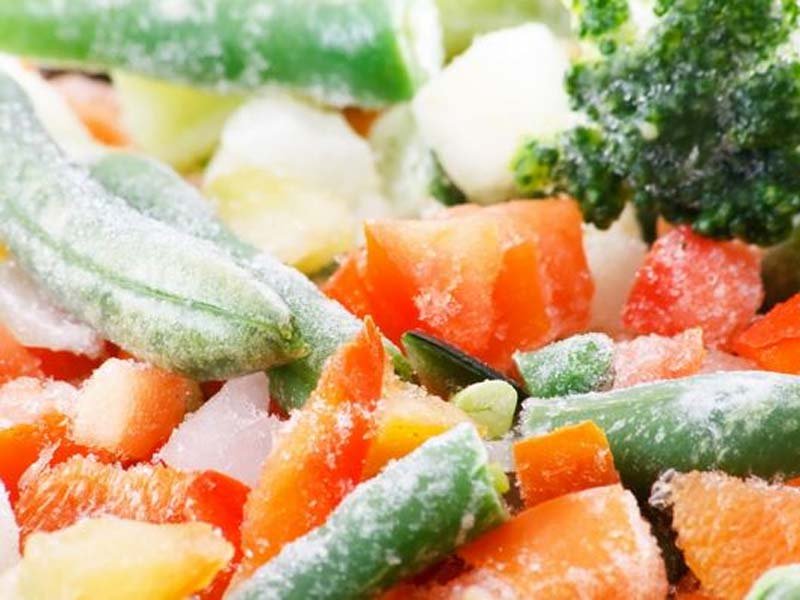
Choose the option that helps you eat a variety of nutritious foods consistently. Fresh produce is excellent when available and used in time; frozen produce can save preparation time, reduce waste, and provide variety outside the growing season. Buying both is a practical approach.
Frequently Asked Questions
Do frozen vegetables contain preservatives?
Many plain frozen vegetables contain only the vegetable itself. Freezing preserves food through low temperature; check the ingredient list to see whether a particular product also includes salt, sauces, or other additives.
Does freezing kill bacteria?
Usually not. According to the FDA, freezing stops bacterial growth while food stays frozen, but it does not kill most bacteria. Safe thawing and cooking still matter.
Can you eat frozen fruit every day?
Unsweetened frozen fruit can be part of an everyday balanced eating pattern. Portion needs and any individual dietary restrictions vary.
Bottom Line
Frozen food is not inherently harmful. Plain frozen produce and appropriately handled frozen proteins can be nutritious, practical choices. Compare packaged meals by ingredients and Nutrition Facts, and follow safe-storage and cooking guidance. For related reading, see our guide to sustainable healthy habits.