



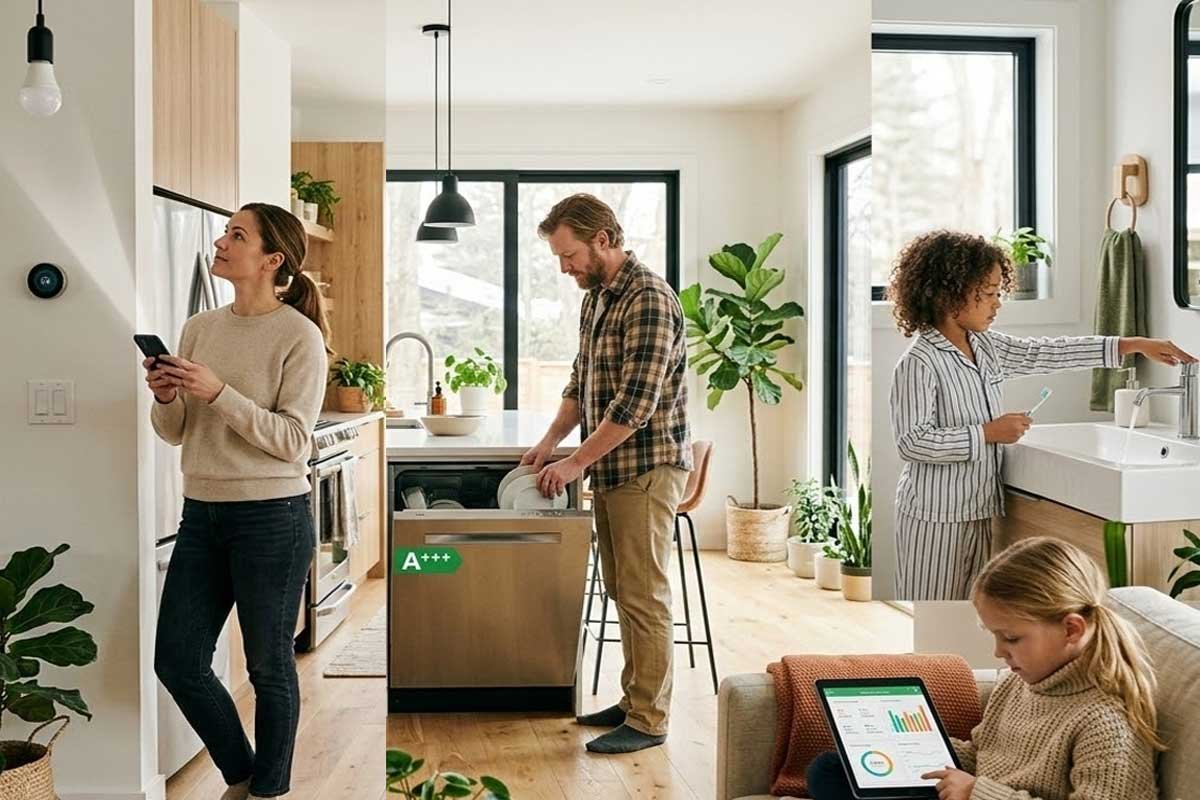
Energy prices keep rising, and water shortages are becoming a growing concern in many parts of the world. The way we use electricity and water at home matters more than ever—not only for our monthly bills but also for the future our children will inherit.
The good news is that building a greener home doesn’t require a massive investment. In fact, many households can reduce electricity use by 20–30% simply by changing a few habits and using smarter technology.
Today’s homes also have access to an entirely new generation of tools designed to make saving energy easier. From smart thermostats and energy-monitoring plugs to water-saving appliances and intelligent irrigation systems, modern technology allows families to track, control, and optimize how resources are used every day.
Even small changes—like switching to LED lighting, running appliances efficiently, or installing a smart power strip—can make a meaningful difference over time.
In this guide, you’ll learn practical ways to reduce electricity and water consumption at home. These strategies will help you lower your utility bills, reduce environmental impact, and create a healthier, more sustainable home for future generations.
Why Saving Electricity and Water Matters More Than Ever
For decades, electricity and water felt like unlimited resources in many households. Flip a switch, turn on a faucet, and everything simply worked.
But today, things are changing.
Energy production remains one of the largest contributors to global carbon emissions, while freshwater supplies are under increasing pressure due to climate change, population growth, and rising demand. According to the U.S. Energy Information Administration, the average American household consumes over 10,000 kWh of electricity per year, much of which is wasted through inefficient appliances, standby power, and poor energy habits.
Water usage tells a similar story. The average family in the United States uses roughly 300 gallons of water per day, and nearly 70% of that is used indoors.
The encouraging part? A significant portion of this consumption can be reduced without sacrificing comfort.
Small improvements in everyday routines—combined with modern smart technologies—can dramatically reduce waste.
Saving electricity and water offers several long-term benefits:
Lower Utility Bills
Reducing unnecessary energy use can significantly cut household expenses. Many families save hundreds of dollars each year simply by optimizing appliance usage and installing efficient lighting.
Reduced Environmental Impact
Lower energy consumption means fewer fossil fuels burned for electricity production. This helps reduce greenhouse gas emissions and slows environmental damage.
A Smarter, More Efficient Home
Energy-efficient homes are not only better for the environment—they’re also more comfortable and easier to manage. Smart home technology now allows homeowners to monitor energy use in real time and automate efficiency improvements.
A Better Future for the Next Generation
Perhaps most importantly, conserving energy and water helps protect natural resources for future generations. Teaching children sustainable habits today creates a culture of responsibility that can last for decades.
Smart Ways to Save Electricity at Home
Electricity is one of the largest ongoing expenses in most households. Heating, cooling, appliances, electronics, and lighting all contribute to energy consumption throughout the day.
Fortunately, there are several practical strategies—and a growing number of smart devices—that can dramatically reduce electricity usage without affecting daily comfort.
Here are some of the most effective ones.

Switch to LED Lighting
One of the easiest and fastest ways to reduce electricity consumption is replacing traditional incandescent bulbs with LED lighting.
LED bulbs use up to 80–90% less energy and can last up to 25 times longer than standard bulbs.
In many homes, lighting accounts for about 10–15% of electricity usage, meaning this simple upgrade can deliver noticeable savings.
Modern LED bulbs also provide excellent brightness and color quality while generating far less heat.
Even better, many LED systems now integrate with smart home platforms, allowing homeowners to control lighting remotely or automate schedules.
Eliminate “Phantom Power” with Smart Plugs
Many electronic devices continue consuming electricity even when they appear to be turned off.
This hidden energy drain—often called phantom power or standby power—can account for 5–10% of total household electricity consumption.
Common culprits include:
- TVs
- game consoles
- microwaves
- phone chargers
- desktop computers
A simple solution is using smart plugs or smart power strips.
These devices allow you to:
- automatically cut power to unused electronics
- schedule device shutdowns
- control appliances remotely via smartphone apps
- track real-time energy consumption
Some advanced smart plugs even provide detailed reports showing which devices use the most electricity.
Over time, this information helps households identify hidden energy waste and make smarter decisions.
Install a Smart Thermostat
Heating and cooling typically represent the largest portion of household energy consumption, especially in regions with extreme seasonal temperatures.
A smart thermostat can significantly reduce this energy usage by automatically adjusting indoor temperatures based on daily routines.
Unlike traditional thermostats, smart systems can:
- learn your schedule
- detect when nobody is home
- adjust heating or cooling accordingly
- optimize energy usage throughout the day
Many homeowners report 10–20% reductions in heating and cooling costs after installing a smart thermostat.
Another advantage is remote control. Whether you’re at work or on vacation, you can easily adjust your home’s temperature through a smartphone app.
Use Energy Monitoring Devices
One of the biggest challenges in saving electricity is simply understanding where it is being used.
This is where home energy monitoring systems become extremely valuable.
These devices connect to your electrical panel and provide real-time insights into:
- total household energy consumption
- which appliances use the most electricity
- daily, weekly, and monthly usage trends
Some smart energy monitors even identify individual appliances automatically.
By visualizing energy consumption, families can quickly spot inefficient devices and adjust habits accordingly.
In many cases, simply being aware of energy usage encourages households to adopt more efficient behavior.
Upgrade to Energy-Efficient Appliances
Older appliances tend to consume significantly more electricity than modern energy-efficient models.
Appliances that typically use the most electricity include:
- refrigerators
- dishwashers
- washing machines
- dryers
- air conditioners
Newer Energy Star–certified appliances are designed to deliver the same performance while consuming far less power.
For example, modern dishwashers often use 40% less energy and significantly less water than models produced 15–20 years ago.
Over time, replacing outdated appliances can produce substantial savings.
If you’re comparing appliance upgrades or planning bigger home efficiency improvements, the official ENERGY STAR’s guide to energy-saving home upgrades offers a useful overview of certified products, home improvement ideas, and practical ways to reduce household energy use.
Optimize When You Use Electricity
Electricity demand changes throughout the day, and some utility companies offer time-of-use pricing, where energy costs more during peak hours.
Running energy-intensive appliances—like dishwashers, washing machines, or dryers—during off-peak hours can lower energy costs and reduce strain on the power grid.
Some smart home systems automatically schedule appliances to run during the most efficient times.
Smart Ways to Save Water at Home
Water is one of the most valuable resources we use every day, yet it’s surprisingly easy to waste. A dripping faucet, inefficient appliances, or long showers can quietly add hundreds of gallons of unnecessary water use every month.
The average American household uses around 300 gallons of water per day, but studies show that nearly 30% of that water could be saved through simple improvements in habits, fixtures, and appliances.
Fortunately, modern homes now have access to a variety of water-saving technologies and smart devices designed to reduce waste without sacrificing comfort.
Here are some of the most effective ways to conserve water at home.
For readers who want to explore certified fixtures and practical conservation ideas, the official EPA WaterSense water-saving tips page is a reliable place to start.
Fix Leaks Immediately
It may seem like a small issue, but a leaking faucet or running toilet can waste an astonishing amount of water.
According to the U.S. Environmental Protection Agency (EPA), household leaks waste nearly 1 trillion gallons of water annually in the United States.
Common sources of leaks include:
- dripping kitchen faucets
- worn toilet flappers
- leaking showerheads
- hidden pipe leaks
Even a slow drip can waste more than 3,000 gallons of water per year.
Installing a smart leak detection sensor is an increasingly popular solution. These small devices monitor plumbing systems and alert homeowners through smartphone apps when unusual water flow is detected.
Some advanced systems can even automatically shut off the water supply to prevent major damage.
Install Low-Flow Showerheads and Faucets
Showers account for nearly 17% of indoor household water use, making them one of the easiest areas to improve efficiency.
Traditional showerheads can use up to 2.5 gallons per minute, while modern low-flow showerheads reduce this to about 1.5 gallons per minute without noticeably affecting water pressure.
The result is significant savings in both water and energy, since less hot water needs to be heated.
Similarly, installing aerators on kitchen and bathroom faucets can reduce water flow while maintaining strong pressure.
These upgrades are inexpensive and typically take only a few minutes to install.
Use Water-Efficient Appliances
Many older appliances consume far more water than necessary.
For example:
- Older dishwashers may use 10–15 gallons per cycle
- Modern efficient dishwashers use as little as 3–4 gallons
Similarly, high-efficiency washing machines use 40–50% less water than older models.
Modern appliances are designed to optimize both water and energy use, often using sensors to determine exactly how much water is needed for each load.
Running appliances only when they are fully loaded further improves efficiency.
This simple habit alone can reduce water usage significantly over time.
Install Smart Irrigation Systems
Outdoor watering is one of the largest sources of water consumption in many homes, especially during the summer months.
Traditional sprinkler systems often waste water by running on fixed schedules, even when it has recently rained.
Smart irrigation systems solve this problem by adjusting watering schedules automatically based on:
- weather forecasts
- soil moisture levels
- seasonal changes
- plant requirements
Some systems even integrate with local weather data to avoid watering when rain is expected.
The result is a healthier garden and dramatically lower water consumption.
Collect Rainwater for Garden Use
Rainwater harvesting is another simple and sustainable way to reduce household water demand.
Installing a rain barrel beneath a roof gutter allows homeowners to collect natural rainwater that can later be used for:
- watering plants
- garden irrigation
- cleaning outdoor areas
This practice reduces reliance on treated municipal water and helps conserve local water resources.
In many regions, local governments even offer incentives or rebates for installing rainwater collection systems.
Kitchen Habits That Save Both Electricity and Water
The kitchen is one of the busiest areas of any home, and it’s also where a significant amount of electricity and water is consumed.
From cooking appliances and refrigerators to dishwashers and sinks, small daily habits in the kitchen can make a major difference in overall resource use.
Fortunately, improving kitchen efficiency often requires only minor adjustments to the way appliances are used.
Use the Dishwasher Efficiently
Many people still believe washing dishes by hand saves water, but modern dishwashers often use less water and energy than manual washing.
A typical sink filled for hand washing may use 20 gallons of water or more, while an efficient dishwasher cycle may use only 3–5 gallons.
To maximize efficiency:
- run the dishwasher only when it is full
- use eco or energy-saving cycles
- avoid pre-rinsing dishes excessively
Modern dishwashers are designed to remove food residue effectively, even without heavy pre-rinsing.
This saves both water and electricity.
Avoid Running Half-Loads in Appliances
Whether it’s a dishwasher, washing machine, or dryer, running appliances with small loads wastes both energy and water.
Waiting until appliances are fully loaded ensures that each cycle uses resources more efficiently.
Many modern appliances also include load sensors that automatically adjust water and energy usage based on the size of the load.
Using these features can significantly improve efficiency.
Cook Smarter to Save Energy
Cooking methods can also affect electricity consumption.
For example:
- using lids on pots reduces cooking time
- pressure cookers use less energy
- microwaves often use less electricity than ovens for reheating food
Small adjustments like these can reduce energy use while still producing the same results.
Additionally, preparing multiple dishes at once in the oven maximizes the heat already being used.
Maintain Appliances Regularly
Well-maintained appliances operate more efficiently and consume less electricity.
For example:
- cleaning refrigerator coils improves cooling efficiency
- regularly cleaning dishwasher filters ensures optimal performance
- maintaining oven seals prevents heat loss
These small maintenance habits extend appliance lifespan while keeping energy use under control.
Use Smart Kitchen Devices
Modern smart kitchen technology offers new ways to reduce both water and electricity consumption.
Some examples include:
- smart dishwashers that optimize water use automatically
- smart kettles that heat only the amount of water needed
- energy-monitoring plugs that track appliance electricity consumption
- smart faucets that reduce unnecessary water flow
These devices help homeowners better understand how resources are used in the kitchen and make adjustments that improve efficiency.
Over time, even small improvements can add up to significant savings.
Reduce Food Waste
While it may not seem directly related, reducing food waste also contributes to a more sustainable household.
Producing, transporting, and storing food requires energy and water at every stage.
Planning meals more carefully, storing food properly, and using leftovers effectively can reduce waste and lower overall resource consumption.
Smart Home Devices That Reduce Electricity and Water Usage
Technology has made sustainable living easier than ever. Just a decade ago, saving electricity or water required constant attention and discipline. Today, smart home devices can automatically optimize how resources are used, helping families reduce waste without thinking about it every day.
From intelligent thermostats to energy-monitoring systems and water leak sensors, modern gadgets allow homeowners to track and control their home’s efficiency in real time.
These devices not only improve sustainability but often pay for themselves through lower utility bills over time.
Here are some of the most useful smart technologies for creating a more energy-efficient and water-conscious home.
Smart Thermostats
Heating and cooling systems typically account for 40–50% of a household’s total energy consumption. This makes climate control one of the most important areas to optimize.
Smart thermostats help reduce unnecessary heating and cooling by learning your daily routine and adjusting temperatures automatically.
For example, a smart thermostat can:
- lower heating when nobody is home
- adjust temperatures overnight
- automatically return to comfortable levels before you wake up or arrive home
Many systems also provide detailed reports showing how much energy is used each day.
Over time, homeowners often see 10–20% reductions in heating and cooling costs.
Some smart thermostats even integrate with voice assistants and other smart home devices, creating a fully automated system that continuously improves efficiency.
Smart Plugs and Energy Monitoring Outlets
Many electronic devices quietly consume electricity even when they are not actively being used. This standby energy consumption—often called phantom power—can represent a surprising portion of a household’s electricity bill.
Smart plugs offer a simple and effective solution.
These small devices plug into standard outlets and allow homeowners to control power usage through smartphone apps.
With smart plugs, you can:
- schedule devices to turn off automatically
- shut down electronics remotely
- monitor real-time electricity consumption
- identify devices that waste energy
For example, televisions, gaming consoles, and desktop computers are often left in standby mode for long periods.
A smart plug can cut power to these devices automatically during overnight hours or when the home is empty.
Home Energy Monitoring Systems
Understanding where electricity is being used is one of the most powerful steps toward improving efficiency.
Whole-home energy monitors connect directly to a home’s electrical panel and track how much electricity is used by different appliances.
These systems provide detailed insights such as:
- which appliances consume the most power
- daily and monthly energy trends
- unusual spikes in electricity usage
Some advanced monitors even use machine learning to identify individual appliances automatically.
By visualizing energy consumption, families often become more aware of their habits and make adjustments that lead to long-term savings.
Smart Water Leak Sensors
Water damage is one of the most common and expensive household problems. Fortunately, smart technology now makes it possible to detect leaks early before they become serious.
Smart water leak sensors can be placed near:
- washing machines
- water heaters
- sinks
- dishwashers
- basement pipes
If moisture or unusual water flow is detected, the system immediately sends an alert to the homeowner’s smartphone.
Some advanced systems can even automatically shut off the home’s water supply, preventing costly damage while conserving water.
Smart Irrigation Controllers
Outdoor watering can account for a large portion of residential water use, especially in warm climates.
Traditional sprinkler systems operate on fixed timers, often watering lawns even when the soil is already wet.
Smart irrigation controllers solve this problem by adjusting watering schedules based on:
- weather forecasts
- soil moisture levels
- seasonal conditions
- plant needs
These systems ensure that plants receive the correct amount of water while eliminating unnecessary waste.
Many homeowners report water savings of up to 30–40% after installing smart irrigation systems.
Small Lifestyle Changes That Make a Big Environmental Difference
While smart devices can dramatically improve efficiency, technology alone is not the entire solution.
Some of the most effective ways to save electricity and water come from simple lifestyle adjustments that require little or no investment.
When these habits are practiced consistently, they can significantly reduce resource consumption over time.
Turn Off Lights When Leaving a Room
It sounds obvious, yet many households still leave lights on in empty rooms throughout the day.
Making a habit of switching off lights when leaving a room is one of the simplest ways to reduce electricity waste.
Even better, motion-sensor lighting or smart lighting systems can automate this process.
Shorten Shower Times
Long showers are one of the largest contributors to indoor water use.
Reducing shower time by just two or three minutes can save dozens of gallons of water each week.
Some families install shower timers or smart water monitors that track how much water is used during each shower.
These tools can help build more efficient habits over time.
Wash Clothes with Cold Water
Many people assume that hot water cleans clothes better, but modern laundry detergents are designed to work effectively with cold water.
Using cold water for laundry significantly reduces the energy required to heat water during washing cycles.
In fact, switching to cold water washing can reduce laundry-related energy use by up to 80–90%.
Use Natural Lighting During the Day
Opening curtains and allowing natural sunlight to illuminate living spaces reduces the need for artificial lighting during daylight hours.
Homes designed to maximize natural light often consume less electricity while also creating a more comfortable indoor environment.
Air-Dry Clothes When Possible
Clothes dryers are among the most energy-intensive household appliances.
Whenever possible, air-drying clothes on drying racks or outdoor lines can significantly reduce electricity usage.
This method also helps preserve clothing quality and extend fabric lifespan.
Insulate Your Home Properly
Poor insulation allows heated or cooled air to escape, forcing HVAC systems to work harder and consume more electricity.
Improving insulation in areas such as:
- attics
- walls
- windows
- doors
can dramatically reduce heating and cooling costs.
Well-insulated homes maintain comfortable temperatures more efficiently and require less energy overall.
Choose Sustainable Habits as a Family
Perhaps the most powerful change comes when sustainability becomes part of a household’s everyday culture.
When families work together to reduce waste—turning off unused lights, conserving water, and using appliances efficiently—these actions become natural habits.
Teaching children about sustainability also encourages responsible behavior that can last for generations.
Even small actions today can help create a cleaner and healthier planet tomorrow.
How Families Can Teach Kids About Sustainable Living
One of the most meaningful ways to protect the environment is by teaching the next generation how to live more responsibly. Children learn habits early, and when sustainability becomes part of daily family routines, those lessons can last a lifetime.
Helping kids understand the value of electricity, water, and natural resources doesn’t have to feel like a lecture. In fact, the most effective approach is often through simple everyday activities that show how small actions can make a big difference.
Here are several ways families can introduce sustainable living to children.
Turn Resource Saving into a Daily Habit
Children naturally copy the behavior they see at home. When parents consistently turn off lights, avoid wasting water, and use appliances efficiently, kids quickly begin to adopt the same habits.
For example, parents can encourage children to:
- switch off lights when leaving a room
- close the faucet while brushing their teeth
- help load the dishwasher efficiently
- unplug devices that are not in use
These simple routines help children understand that resources should not be taken for granted.
Explain Where Electricity and Water Come From
Many children grow up thinking electricity and water simply appear when a switch or faucet is turned on.
Explaining how these resources are produced can make a powerful impression. For instance, parents can talk about:
- how electricity is generated in power plants
- how water is collected, treated, and transported to homes
- how much energy is required to produce and deliver these resources
Understanding the effort behind these systems helps children appreciate why conservation matters.
Use Smart Devices as Learning Tools
Smart home technology can actually help teach sustainability.
Many energy-monitoring devices and smart apps show real-time data about how much electricity or water a home is using. Kids often find it fascinating to watch how turning off lights or appliances immediately changes energy usage levels.
Parents can even turn this into a small challenge, encouraging children to help reduce energy consumption during the week.
Seeing real numbers makes the idea of conservation more tangible and engaging.
Encourage Outdoor Awareness
Spending time outdoors is one of the best ways to help children appreciate nature and understand why environmental protection matters.
Activities such as:
- gardening
- planting trees
- maintaining a small vegetable garden
- collecting rainwater for plants
help children connect sustainability with everyday life.
When kids see how plants grow, how water supports life, and how ecosystems function, environmental awareness becomes natural rather than forced.
Lead by Example
Perhaps the most important lesson children learn comes from observation. If sustainability is treated as a normal part of family life—rather than an occasional effort—kids will carry those values into adulthood.
Small habits practiced consistently can shape a new generation that views resource conservation not as a burden, but as a responsible way of living.
The Long-Term Benefits of Living a Green Lifestyle
Adopting a greener lifestyle is often viewed as something people do purely for environmental reasons. While protecting the planet is certainly an important motivation, the benefits of sustainable living extend much further.
Households that focus on energy efficiency and responsible water use often enjoy financial, health, and lifestyle advantages that become increasingly noticeable over time.
Lower Utility Bills
One of the most immediate benefits of reducing electricity and water consumption is lower monthly expenses.
Energy-efficient lighting, smart thermostats, water-saving appliances, and efficient household habits can significantly reduce utility bills.
For many households, these savings accumulate gradually but steadily. Over the course of several years, even small efficiency improvements can result in thousands of dollars saved.
A More Comfortable and Efficient Home
Homes designed with efficiency in mind often feel more comfortable overall.
Proper insulation, efficient appliances, and smart climate control systems help maintain stable indoor temperatures while reducing unnecessary energy use.
Smart home systems also allow homeowners to automate lighting, heating, and appliance usage, making daily routines easier to manage.
Reduced Environmental Impact
Every kilowatt-hour of electricity saved and every gallon of water conserved reduces demand on natural resources.
Lower energy consumption means fewer fossil fuels burned for electricity generation, which helps reduce greenhouse gas emissions.
Similarly, responsible water usage helps preserve freshwater supplies that are increasingly under pressure in many regions.
When millions of households adopt these habits, the collective impact can be significant.
Higher Property Value
Energy-efficient homes are becoming increasingly attractive to buyers.
Features such as smart thermostats, modern efficient appliances, and sustainable home improvements often increase property value and market appeal.
As sustainability becomes more important to homebuyers, properties that prioritize efficiency may stand out in the housing market.
A Healthier Environment for Future Generations
Perhaps the most meaningful benefit of sustainable living is the long-term impact on future generations.
By conserving resources today, families contribute to a healthier planet where future communities can thrive.
While individual actions may seem small, millions of households making smarter choices can create powerful global change.
The transition toward greener homes and smarter energy use is already underway—and every step forward helps build a more sustainable future.
Frequently Asked Questions About Saving Electricity and Water
How can I reduce electricity usage at home quickly?
The fastest way to reduce electricity usage at home is by focusing on the biggest sources of energy consumption. Heating and cooling systems, kitchen appliances, and lighting usually account for the majority of household electricity use.
Start with simple steps such as switching to LED lighting, unplugging devices that consume standby power, and using appliances like dishwashers or washing machines only when fully loaded.
Installing a smart thermostat or energy-monitoring device can also help identify where electricity is being wasted. Many households reduce electricity use by 10–20% within the first year simply by improving everyday habits.
What appliances use the most electricity in a home?
The appliances that typically consume the most electricity include:
- heating and cooling systems (HVAC)
- water heaters
- refrigerators
- clothes dryers
- dishwashers
- electric ovens
Older appliances often use significantly more electricity than modern energy-efficient models. Replacing outdated appliances with newer energy-efficient versions can reduce energy consumption dramatically over time.
Does using a dishwasher save water compared to hand washing?
Yes, in most cases modern dishwashers use significantly less water than washing dishes by hand.
A typical sink filled for dishwashing may use 15–25 gallons of water, especially when dishes are rinsed under running water.
In contrast, many modern dishwashers use as little as 3–5 gallons per cycle, while also using energy-efficient heating systems.
To maximize efficiency, it is best to run the dishwasher only when it is fully loaded and to use eco or energy-saving cycles.
What is phantom power and how can I stop it?
Phantom power refers to electricity consumed by electronic devices even when they appear to be turned off.
Common examples include televisions, gaming consoles, chargers, and desktop computers that remain in standby mode.
This hidden energy usage can account for 5–10% of household electricity consumption.
Using smart plugs or smart power strips can automatically cut power to devices when they are not being used, helping eliminate unnecessary energy waste.
How much water does the average household use per day?
In the United States, the average household uses roughly 300 gallons of water per day.
Most of this water is used indoors for activities such as:
- showers
- laundry
- dishwashing
- toilet flushing
- cooking and cleaning
Simple upgrades like low-flow showerheads, efficient appliances, and smart irrigation systems can significantly reduce water usage.
What are the easiest ways to start living a greener lifestyle?
Living a greener lifestyle often begins with small, manageable changes. Some of the easiest steps include:
- switching to LED lighting
- reducing shower times
- washing clothes with cold water
- using energy-efficient appliances
- installing smart thermostats or smart plugs
- minimizing food waste
These habits help reduce electricity and water consumption while also lowering household expenses.
Final Thoughts
Saving electricity and water at home doesn’t require drastic lifestyle changes. In most cases, the biggest improvements come from small adjustments made consistently over time.
Switching to efficient lighting, using smart home technology, running appliances wisely, and adopting better daily habits can dramatically reduce household resource consumption.
Beyond lowering utility bills, these changes also contribute to a healthier environment and a more sustainable future.
Every household has the power to make a difference—and the best time to start building a greener home is today.