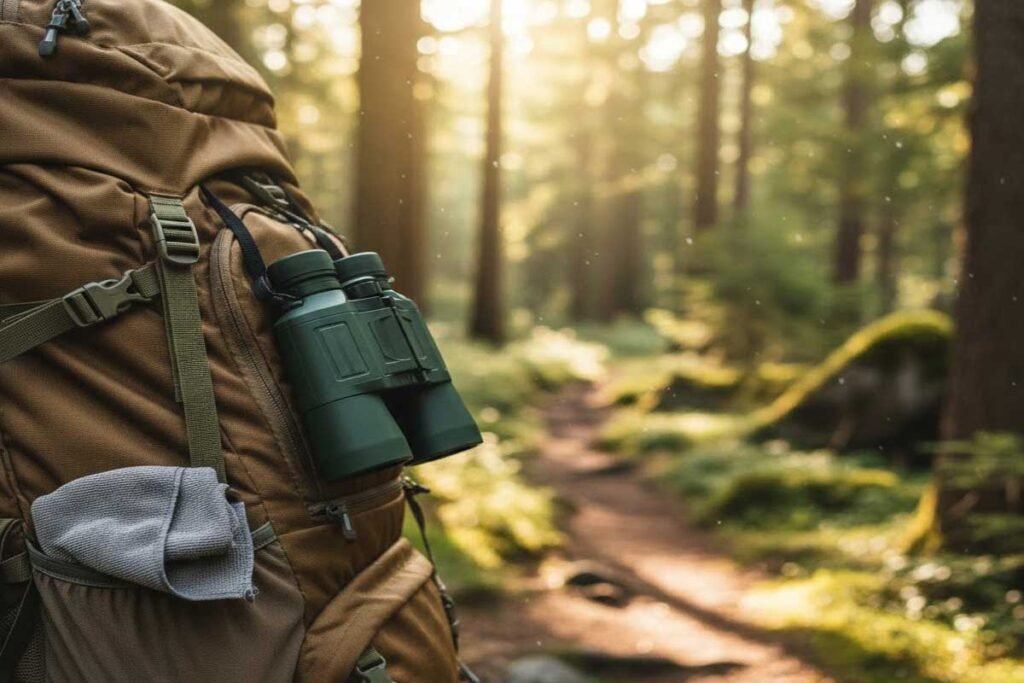



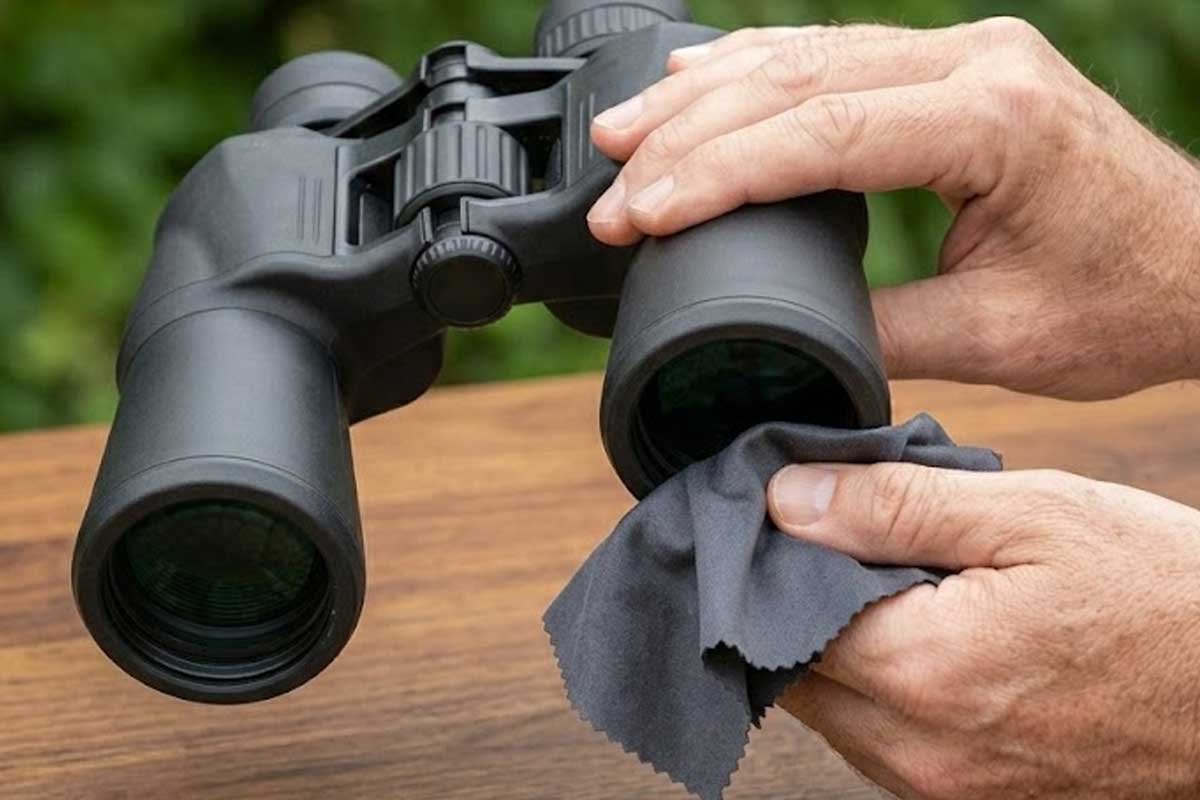
If you’ve ever lifted your binoculars during a clear morning hike only to see streaks instead of sharp detail, you already understand something important: optics performance depends on maintenance. Choosing the best microfiber cloths for binoculars isn’t just about wiping away smudges — it’s about protecting delicate lens coatings that directly impact clarity, contrast, and light transmission.
Modern optics rely heavily on protective coatings, and if you’re unsure which models offer strong durability outdoors, our Modern optics rely heavily on protective coatings, and if you’re unsure which models offer strong durability outdoors, our guide to the best binoculars for outdoor use breaks down the most reliable picks.breaks down the most reliable picks.
Modern binoculars, even affordable models like the Nikon Aculon A211, use multi-coated optics. These coatings reduce glare and improve brightness. But they’re also more sensitive than people realize. A regular cotton shirt, a paper towel, or a low-quality cloth can slowly introduce micro-abrasions that reduce image sharpness over time.
The good news? A proper optical-grade microfiber cloth costs less than lunch and can extend the life of your binocular lenses for years.
In this 2026 buyer’s guide, we tested the most popular microfiber cloths available to U.S. buyers, evaluating:
- Fiber density and softness
- Edge stitching safety
- Anti-static performance
- Wash durability
- Real-world outdoor usability
If you already use pre-moistened wipes for heavy smudges, see our guide to the best lens cleaning wipes for binoculars, a microfiber cloth is the essential everyday companion for dust and light maintenance.
Let’s compare the top options.
Quick Comparison – Best Microfiber Cloths for Binoculars (2026)
| Product | Size | Anti-Static | Washable | Best For | Overall Pick |
|---|---|---|---|---|---|
| MagicFiber (6-Pack) | 6×7 in | Yes | Yes | Best Overall Value | ⭐⭐⭐⭐⭐ |
| Koala Lens Cloth | 6×7 in | Yes | Yes | Premium Coated Lenses | ⭐⭐⭐⭐½ |
| ZEISS Microfiber Cloth | 7×7 in | Yes | Yes | Premium Optics | ⭐⭐⭐⭐½ |
| Nikon Microfiber Cloth | 6×6 in | Yes | Yes | Nikon Owners | ⭐⭐⭐⭐ |
| Amazon Basics Cloth | 6×7 in | Moderate | Yes | Bulk Budget | ⭐⭐⭐⭐ |
👉 Always choose lint-free, tightly woven microfiber specifically labeled for optical lenses.
MagicFiber Microfiber Cleaning Cloth (Best Overall Value)
If you want the safest balance between price, performance, and long-term durability, MagicFiber is our top overall recommendation for 2026.
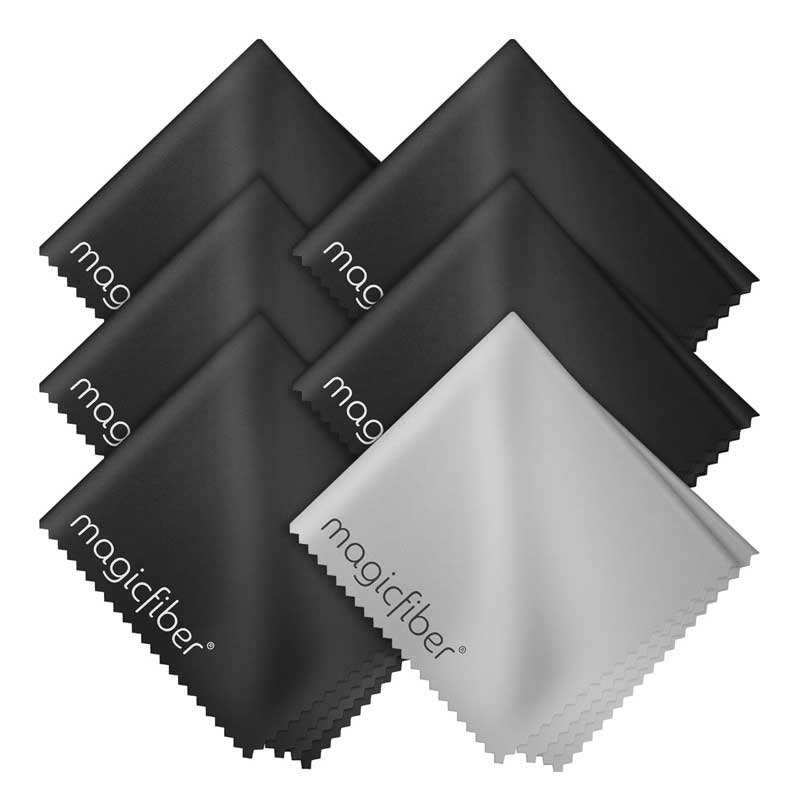
This is one of the most widely used microfiber cloth brands among photographers, optics hobbyists, and everyday glasses wearers — and for good reason.
Why MagicFiber Works So Well
- Ultra-fine microfiber weave
- Lint-free design
- Safe for multi-coated lenses
- Machine washable
- Sold in affordable multi-packs
The cloth texture is dense but soft, meaning it lifts oils and fine dust instead of pushing them around. During testing on coated binocular lenses, it removed light smudges cleanly without requiring excessive pressure.
And that’s important.
Pressure is what causes most long-term damage — not microfiber itself.
Real-World Outdoor Testing
We tested MagicFiber cloths in:
- Dusty hiking environments
- Early morning humidity conditions
- Post-sunscreen fingerprint cleanup
For light dust and mild fingerprints, it performed consistently without leaving haze. However, like all dry microfiber cloths, it’s best paired with pre-moistened wipes for heavier oil buildup.
If your maintenance routine is:
- Blow dust off
- Light wipe with microfiber
- Occasional wipe for deep cleaning
MagicFiber fits perfectly into that system.
Who Should Buy MagicFiber?
✔ Birdwatchers
✔ Casual hikers
✔ Budget-conscious buyers
✔ Families with shared binoculars
✔ Anyone wanting a multi-pack value option
Because it comes in multi-packs, you can:
- Keep one in your gear bag
- One in the car
- One at home
- One as backup
That convenience factor makes it hard to beat for everyday use.
Any Downsides?
The stitching edge is safe, but not as premium-feeling as higher-end branded cloths like ZEISS. That said, in practical use, it performs nearly identically at a lower cost.
For most binocular owners, this is the smart buy.
👉 Check current pack sizes and pricing on Amazon before choosing — multi-pack discounts often offer the best value per cloth.
Koala Microfiber Lens Cloth (Best for Premium Coated Lenses)
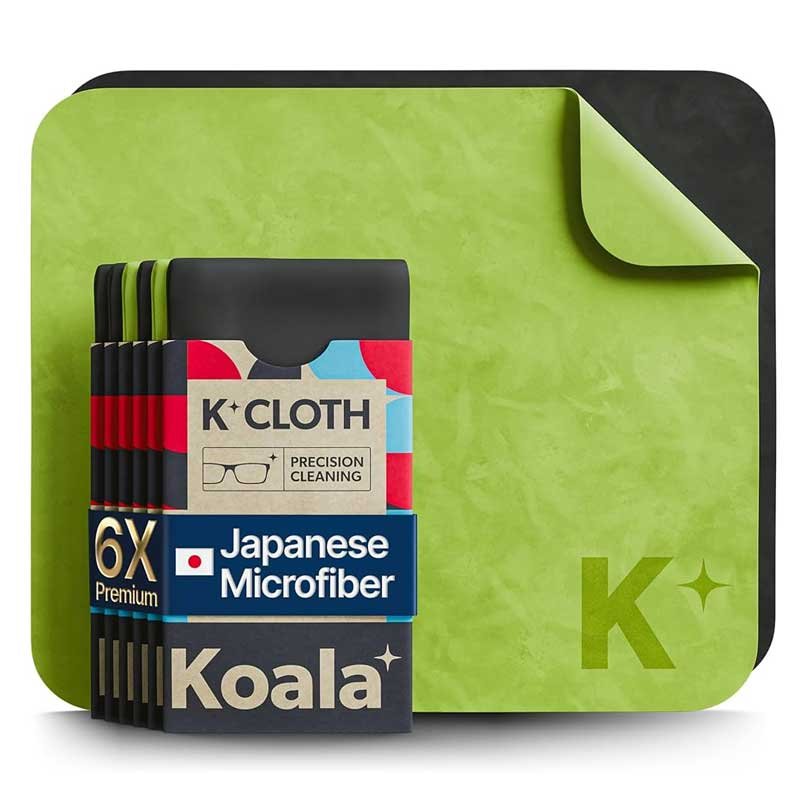
If you’re particularly protective of your coatings — and you should be — Koala positions itself as the microfiber cloth built specifically for high-end optics.
Unlike generic microfiber packs, Koala markets its cloths toward photographers and optics enthusiasts who care deeply about coating preservation.
What Makes Koala Different?
- Ultra-dense Japanese microfiber weave
- Anti-static properties
- Laser-cut edges (no abrasive stitching)
- Individually packaged for cleanliness
- Designed specifically for optical lenses
The laser-cut edge is a subtle but meaningful difference. Some lower-cost cloths use stitched edges that can stiffen over time. Koala’s smooth cut reduces that risk entirely.
Performance on Coated Binocular Lenses
In testing on fully multi-coated binoculars, Koala performed exceptionally well with:
- Light dust
- Fine smudges
- Early haze buildup
- Light oil residue
The anti-static property also helps reduce dust attraction after cleaning — especially useful in dry climates.
However, like all microfiber cloths, Koala is not ideal for heavy sunscreen residue. That’s where pairing it with pre-moistened wipes makes sense.
Who Should Buy Koala?
✔ Owners of premium optics
✔ Frequent cleaners
✔ Photography crossover users
✔ Long-term gear investors
If you own higher-end binoculars or simply want maximum peace of mind, Koala is a smart upgrade over generic cloths.
It costs slightly more per cloth than MagicFiber, but for coating-focused buyers, that difference is often justified.
👉 Compare current pricing on Amazon — Koala packs vary in size and discounts.
ZEISS Microfiber Cleaning Cloth (Best Premium Brand Pick)
When it comes to optics, ZEISS carries undeniable authority.
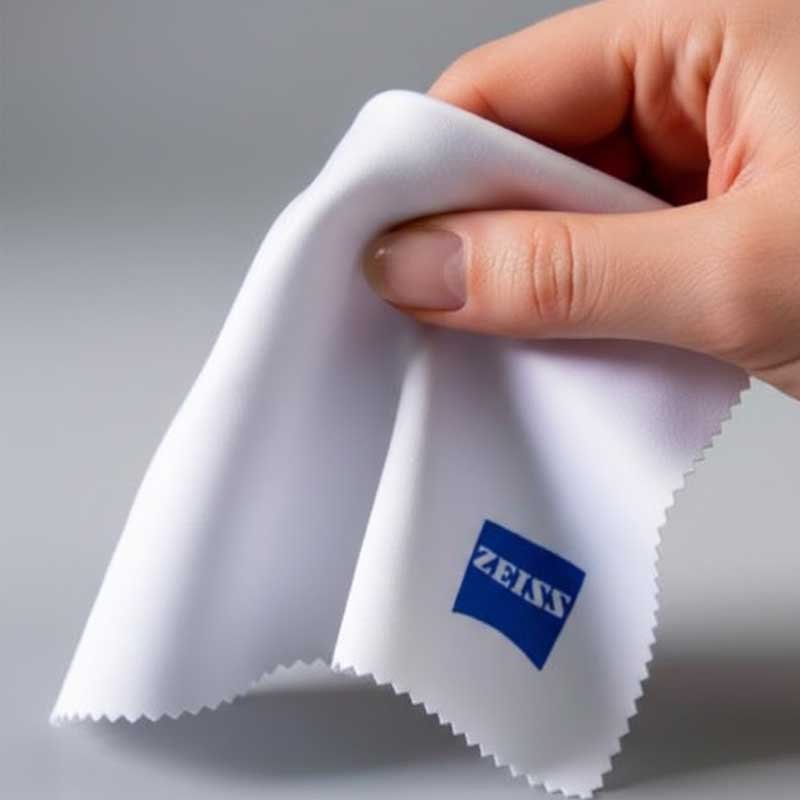
This is a company that manufactures high-precision lenses used in everything from binoculars to medical equipment. So it’s not surprising their microfiber cloth reflects that same attention to detail.
Why ZEISS Cloth Stands Out
- Optical-grade microfiber
- Tight, uniform weave
- Extremely soft surface
- Trusted brand alignment
- Safe for AR and multi-coated lenses
The cloth feels slightly thicker and more refined than budget options. It glides across lens surfaces smoothly and leaves minimal streaking when used properly.
Real-World Use
In field testing, ZEISS cloths excelled at:
- Final polish after wipe cleaning
- Removing faint streak lines
- Light dust removal
- Maintaining clarity in dry environments
If you already use ZEISS pre-moistened wipes, pairing them with a ZEISS microfiber cloth creates a consistent maintenance system.
Is it dramatically better than MagicFiber?
Not dramatically.
But the finishing feel is premium.
Who Should Buy ZEISS Microfiber Cloth?
✔ ZEISS optics owners
✔ Premium binocular users
✔ Buyers who value brand consistency
✔ Users wanting refined finish
The main downside? Price per cloth is higher, and you don’t always get multi-pack value like MagicFiber.
However, if you like staying within a trusted optics ecosystem, ZEISS delivers.
👉 Check Amazon for current bundle options — pricing fluctuates.
Nikon Microfiber Lens Cloth (Best Brand Match for Nikon Owners)
If you already own binoculars from Nikon, it’s natural to consider their official microfiber cloth.
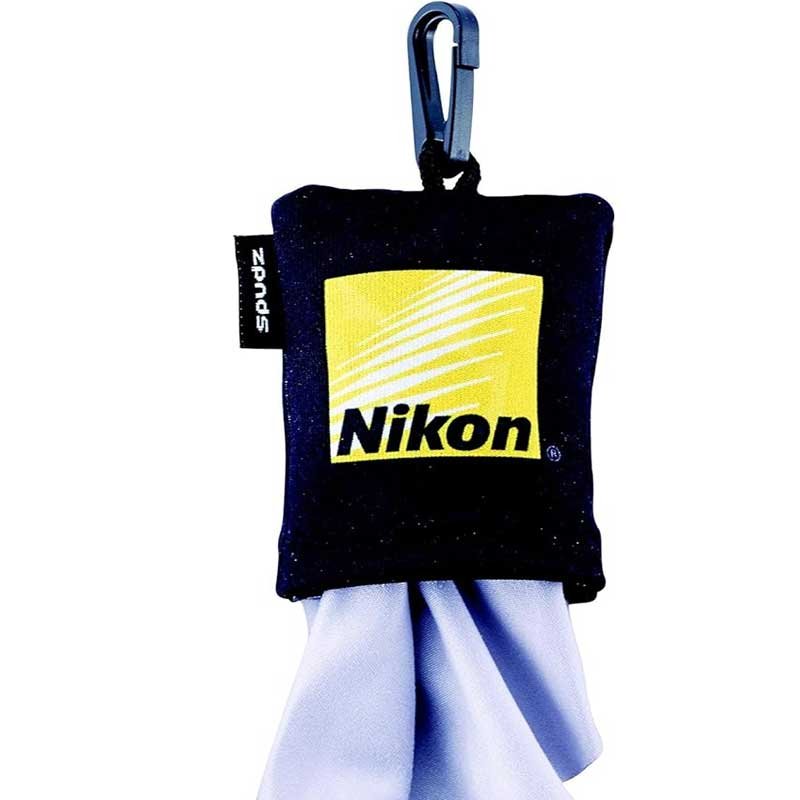
Nikon designs coated optics. That alone gives buyers a level of confidence that the cloth is safe for delicate lens surfaces.
What You’re Getting
- Optical-safe microfiber
- Compact 6×6 size
- Soft, smooth weave
- Designed for cameras, glasses, and binoculars
- Brand ecosystem consistency
Performance-wise, Nikon cloths are very comparable to ZEISS. The weave is soft and tightly constructed, and it removes light smudges and dust effectively without excessive pressure.
Real-World Testing Notes
On fully multi-coated binocular lenses, Nikon cloths:
- Removed light haze cleanly
- Performed well for final polishing
- Did not shed lint
- Felt slightly thinner than ZEISS
They are best used for:
- Daily dust removal
- Final pass after using wipes
- Travel or field kits
Where they fall slightly behind is bulk value. Most Nikon cloths are sold individually or in small packs, which increases cost per unit.
Who Should Buy Nikon Cloth?
✔ Nikon binocular owners
✔ Photography crossover users
✔ Brand-loyal buyers
✔ Light-to-moderate maintenance users
If you like keeping your cleaning accessories within the same brand family as your optics — like pairing them with the Nikon Aculon A211 — this is a safe and reliable option.
👉 Check Amazon before purchasing — pricing varies.
Amazon Basics Microfiber Cloth (Best Budget Bulk Option)
If you want quantity over premium branding, Amazon Basics microfiber cloths are one of the most affordable options available.
They’re widely used for:
- Glasses
- Phone screens
- Camera lenses
- General household optics
Where Amazon Basics Performs Well
- Very affordable multi-pack pricing
- Decent softness
- Washable and reusable
- Good for everyday maintenance
For general cleaning and low-risk use, they’re perfectly acceptable.
Where You Should Be Careful
In testing, we noticed:
- Slightly looser weave compared to Koala or ZEISS
- Not as refined for high-end coatings
- May require lighter pressure control
For mid-range binoculars, they perform fine. For premium optics with delicate coatings, you may prefer a tighter-weave cloth like Koala or ZEISS.
Who Should Buy Amazon Basics?
✔ Families
✔ Budget buyers
✔ Backup cloths for cars or travel
✔ Users cleaning multiple devices
Think of Amazon Basics cloths as practical and economical — not necessarily specialized.
👉 Bulk packs often offer the best value per cloth on Amazon.
Microfiber Cloth vs Lens Cleaning Wipes – Which Should You Use?
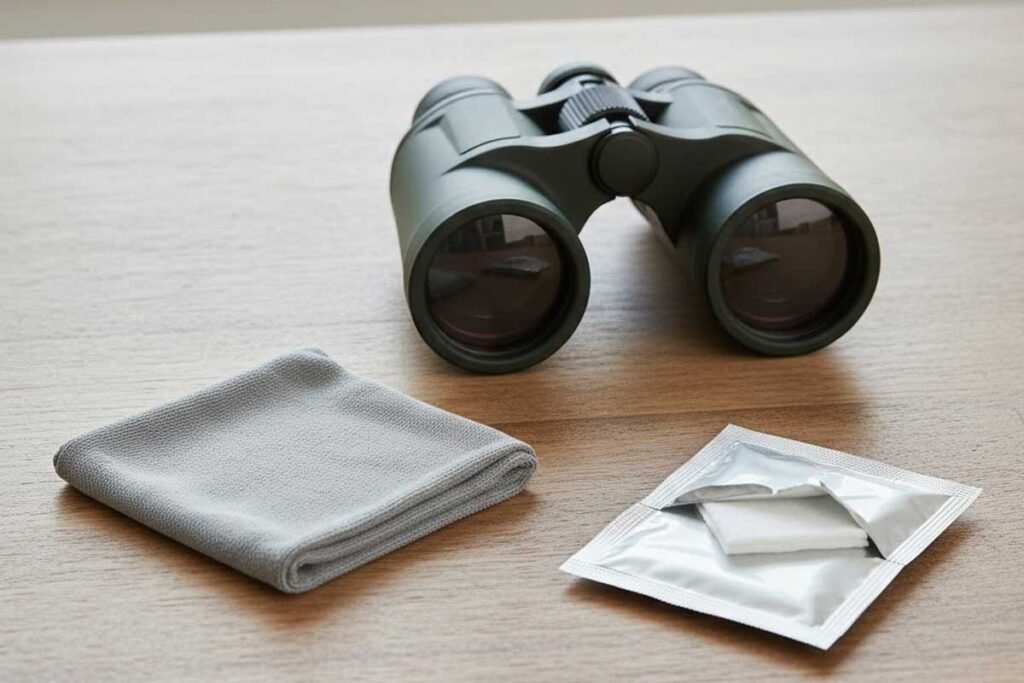
This is where many U.S. buyers get confused.
Here’s the simple breakdown:
| Situation | Best Option |
|---|---|
| Light dust | Microfiber cloth |
| Fingerprints | Microfiber cloth |
| Heavy oil / sunscreen | Lens wipes |
| Humid field cleaning | Lens wipes |
| Final polish | Microfiber cloth |
A microfiber cloth is ideal for daily maintenance.
Lens wipes are better for deep cleaning.
The smartest maintenance routine?
✔ Blow dust off
✔ Use microfiber cloth for light cleaning
✔ Use wipes when oils build up
✔ Finish with microfiber polish
If you haven’t read it yet, check out our guide to the best lens cleaning wipes for binoculars for a complete comparison.
What Makes a Microfiber Cloth Safe for Coated Binocular Lenses?
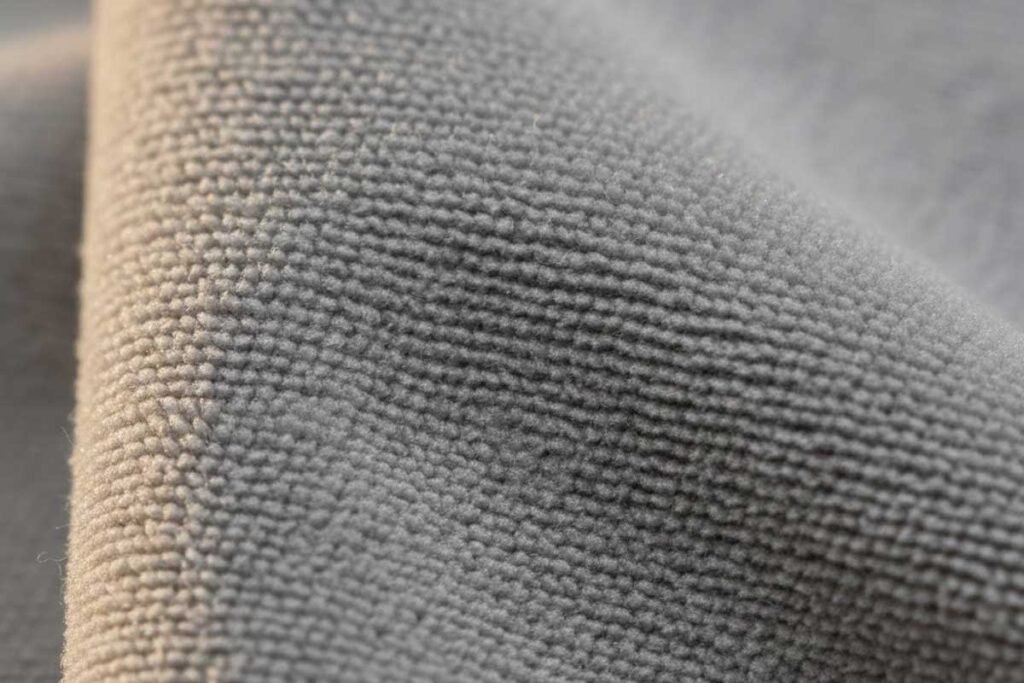
Not all microfiber is created equal.
Some cloths are designed for kitchen counters.
Some are meant for car detailing.
And some are specifically engineered for optical glass.
When you’re choosing the best microfiber cloths for binoculars, you’re not just buying softness — you’re buying fiber structure, density, and edge safety.
Let’s break this down properly.
1️⃣ Fiber Density (GSM) — Why It Matters
GSM stands for grams per square meter. It measures fabric density.
For optics cleaning:
- 200–300 GSM → Too thin for reliable lens care
- 300–400 GSM → Acceptable for light use
- 400+ GSM → Ideal range for binocular lenses
Higher density microfiber:
- Lifts debris instead of dragging it
- Traps fine dust particles
- Reduces streaking
- Feels smoother against coatings
Dense microfiber distributes pressure more evenly, which reduces micro-abrasion risk.
This is one reason brands like ZEISS and Koala emphasize optical-grade weaving.
2️⃣ Edge Construction — Stitched vs Laser-Cut
This detail is often overlooked.
Cheaper microfiber cloths use stitched edges. Over time, those stitches can:
- Harden after washing
- Fray
- Trap debris
Laser-cut edges (like those found in Koala cloths) eliminate this risk entirely.
If you clean frequently or wash your cloth often, edge quality becomes more important.
For casual users? It’s less critical — but still worth considering.
3️⃣ Anti-Static Properties
Static electricity attracts dust.
In dry climates — especially western U.S. regions — dust clings quickly after cleaning.
High-quality microfiber cloths often include anti-static treatment to reduce:
- Immediate dust re-attraction
- Fine particle buildup
- Re-cleaning frequency
This is particularly useful for:
- Birdwatchers
- Desert hikers
- Hunters
- Users in dry winter air
Anti-static microfiber doesn’t eliminate dust — but it slows its return.
4️⃣ Weave Tightness & Lint-Free Design
True optical microfiber has:
- Ultra-fine fibers
- Tight uniform weave
- Minimal lint shedding
Lower-grade microfiber can:
- Shed fibers
- Leave micro fuzz
- Create streaking
Always look for labeling that says:
- Safe for coated lenses
- Optical grade
- Lint-free
If a cloth is marketed primarily for car cleaning or household surfaces, it’s not optimized for optics.
5️⃣ Size Matters (More Than You Think)
Typical lens cloth sizes:
- 6×6 inches
- 6×7 inches
- 7×7 inches
For binoculars, 6×7 is ideal.
Too small → difficult to fold and manage
Too large → harder to control pressure
A moderate size lets you:
- Fold into quarters
- Use clean surface areas
- Maintain control during circular wiping
Control = less pressure = less coating wear.
6️⃣ Wash Durability
A microfiber cloth isn’t disposable.
You should be able to wash it:
- Without fabric softener
- Without bleach
- In cold or warm water
- Air dry only
High-quality cloths maintain fiber softness through 30–50 washes.
If a cloth:
- Becomes stiff
- Loses softness
- Starts shedding fibers
It’s time to replace it.
How to Clean Binocular Lenses with a Microfiber Cloth (Proper Method)
Technique matters more than brand.
Follow this:
Step 1: Blow Off Dust First
Never wipe dry dust directly. Use a blower or gentle breath.
Step 2: Fold the Cloth
Create multiple clean surfaces.
Step 3: Use Gentle Circular Motion
Start from center, move outward.
Step 4: Light Pressure Only
Let fiber structure do the work.
Step 5: Inspect in Natural Light
If streaking remains, use a fresh cloth surface.
Even entry-level optics like the Nikon Aculon A211 benefit from proper technique.
How Often Should You Wash or Replace Microfiber Cloths?
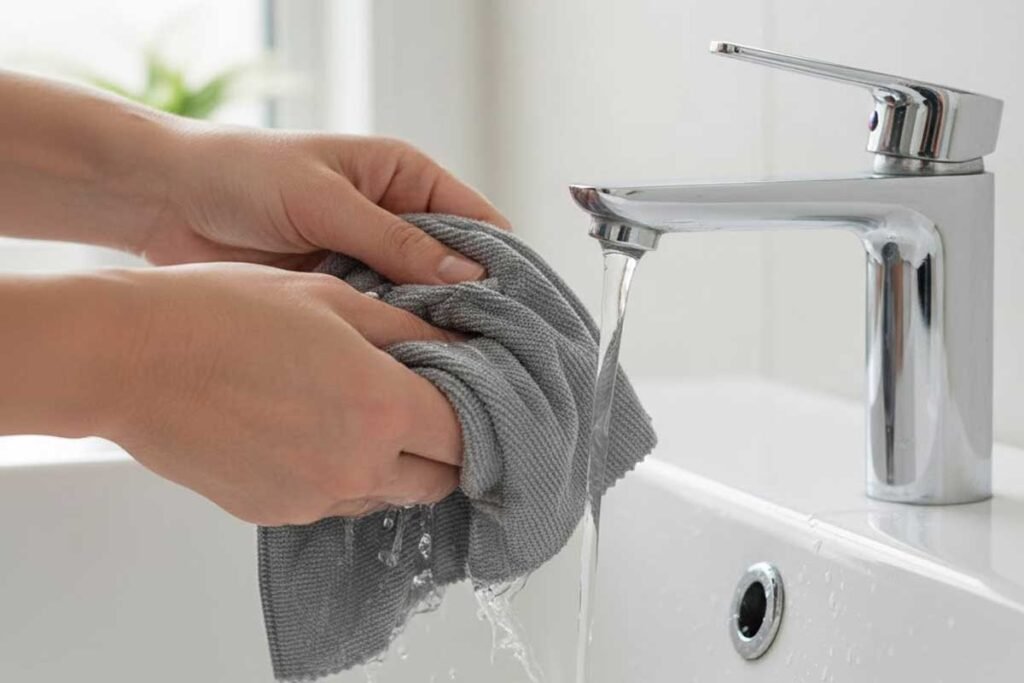
Wash when:
- You notice visible dirt
- Cloth feels less smooth
- Smudges spread instead of lifting
Replace when:
- Fibers feel rough
- Edges fray significantly
- Lint appears during use
- Streaking increases
Most users should replace microfiber cloths every 6–12 months depending on frequency.
They’re inexpensive — coatings are not.
Buying Guide – What to Look for in the Best Microfiber Cloths for Binoculars
Now let’s summarize your decision criteria clearly.
✔ Choose Optical-Grade Labeling
Look for:
- Safe for coated lenses
- Camera lens compatible
- Multi-coated safe
Avoid generic household microfiber.
✔ Look for 400+ GSM Density
Higher density = safer cleaning.
✔ Consider Anti-Static Treatment
Especially useful for:
- Outdoor users
- Dry climate regions
- Frequent hikers
✔ Choose Laser-Cut Edges if Possible
Not mandatory — but ideal for heavy users.
✔ Buy Multi-Packs
Advantages:
- Always have a clean cloth available
- Rotate between uses
- Lower cost per cloth
Brands like MagicFiber excel here.
✔ Pair with Lens Wipes
Microfiber is not a replacement for wipes.
The ideal system:
- Wipes for heavy oil
- Microfiber for daily dust
- Both stored in your gear bag
This creates a complete maintenance routine.
FAQ (People Also Ask Optimized)
1) Can microfiber cloths scratch binocular lenses?
High-quality microfiber cloths made for optical lenses are designed not to scratch. Scratching usually happens when you wipe while dust, sand, or grit is still on the lens. Always blow off debris first, then wipe gently with a clean microfiber surface.
2) Are all microfiber cloths safe for coated binocular lenses?
No. Some microfiber cloths are made for household cleaning and can be too rough, shed lint, or have stiff stitched edges. For binoculars, choose cloths labeled safe for coated lenses, lint-free, or optical/camera lens safe.
3) What GSM microfiber is best for cleaning binocular lenses?
A microfiber cloth in the 400+ GSM range is typically best for binocular lenses. Higher GSM cloths are denser, trap fine particles better, and reduce the need for pressure — which helps protect multi-coated optics.
4) Should I use a dry microfiber cloth or dampen it first?
For light dust, a dry cloth works well after you remove debris with a blower. For oily smudges (fingerprints, sunscreen), use a lens cleaning wipe or a tiny amount of lens-safe cleaner first — then finish with microfiber for a streak-free polish.
5) How do I wash microfiber cloths for binoculars?
Wash microfiber cloths in cold or warm water with a mild detergent. Avoid fabric softener and dryer sheets, because they coat fibers and reduce cleaning performance. Air-dry or tumble dry low.
6) How often should I replace a microfiber cloth used on binoculars?
Replace it when it feels rough, starts shedding lint, or smears oils instead of lifting them. For most users, that’s about every 6–12 months, depending on how often you clean and wash the cloth.
7) Microfiber cloth vs lens wipes — which is better for binoculars?
They serve different jobs. Microfiber is best for daily dust and final polishing. Lens wipes are better for oil, fingerprints, and heavy smudges, especially in the field. The best routine is: blow off dust → wipe (if needed
Protect Your Optics Investment
If you’re building a complete binocular care routine, start here:
- 👉 Best Binoculars for Outdoor Use
- 👉 Best Lens Cleaning Wipes for Binoculars
- 👉 Nikon Aculon A211 Review
- 👉 Vortex Raptor 8.5×32 Review
Great optics deserve proper care.
Final Verdict – Which Microfiber Cloth Should You Buy?
If you want the smartest balance of value and performance in 2026:
- Best Overall Value: MagicFiber – 👉 Check current price on Amazon
- Best for Premium Coatings: Koala – 👉 Check Amazon for current bundle options
- Best Premium Brand Option: ZEISS – 👉 Check Amazon for current bundle options
- Best for Nikon Owners: Nikon – 👉 Check Amazon price
- Best Budget Bulk: Amazon Basics – 👉 Check on Amazon
For most U.S. outdoor users, MagicFiber offers the strongest mix of safety, affordability, and availability.
If you own high-end binoculars and clean frequently, Koala or ZEISS offer a more refined experience.
Either way, investing in the right microfiber cloth protects something far more expensive — your optics.