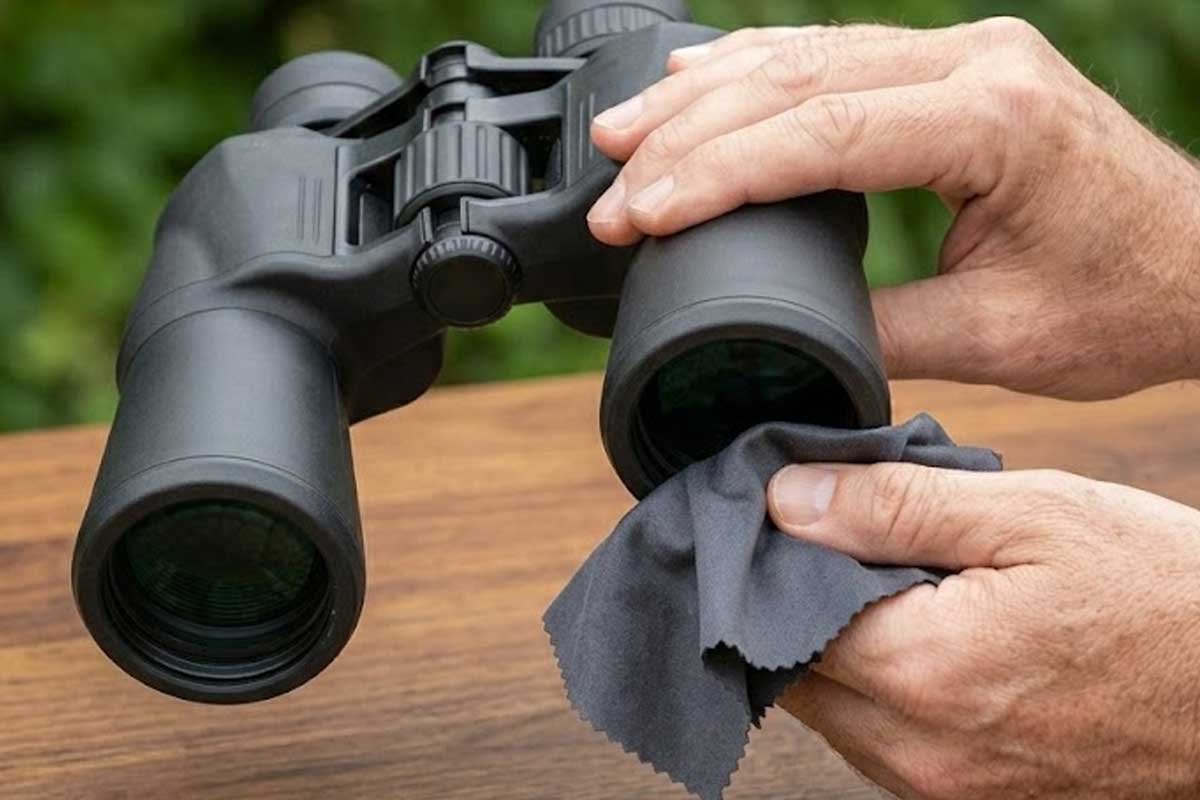
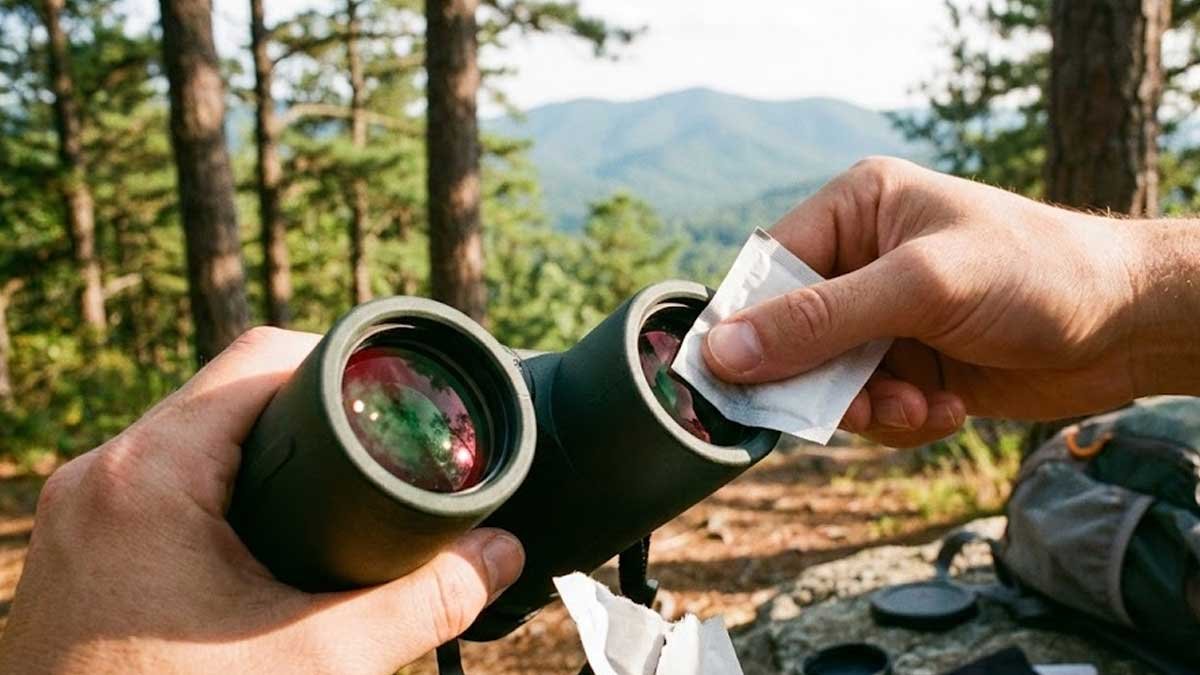
If you’ve ever lifted your binoculars during a crisp morning hike and seen nothing but streaks and fingerprints, you already know this: even the best optics are useless when the lenses are dirty. Choosing the best lens cleaning wipes for binoculars isn’t just about convenience — it’s about protecting your investment.
Modern binoculars — especially fully multi-coated (FMC) models like the Nikon Aculon A211 — use delicate anti-reflective coatings designed to improve light transmission and image clarity. However, those same coatings can be scratched or damaged by the wrong cleaning method. Paper towels? Too abrasive. Shirt sleeve? Risky. Regular tissues? A micro-scratch factory.
That’s where high-quality, pre-moistened lens cleaning wipes come in.
They’re:
- Individually wrapped
- Streak-free
- Safe for coated lenses
- Easy to carry in the field
And, more importantly, they reduce the chance of permanent damage.
In this 2026 guide, we tested and compared the top lens cleaning wipes trusted by birdwatchers, hikers, photographers, and everyday glasses wearers across the U.S. We looked at coating safety, alcohol content, drying behavior, streak resistance, and real-world outdoor usability.
If you’ve invested in quality optics like the Nikon Aculon A211, proper maintenance becomes just as important as magnification power.
Let’s compare the best options.
Quick Comparison – Best Lens Cleaning Wipes (2026)
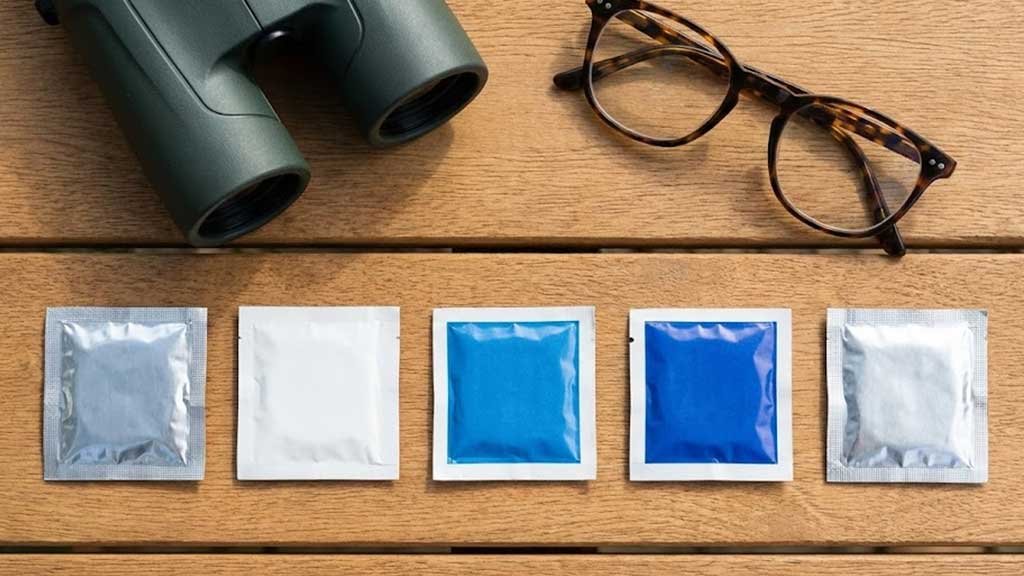
| Product | Alcohol-Free | Anti-Fog | Safe for Coatings | Count | Best For |
|---|---|---|---|---|---|
| ZEISS Lens Wipes | ❌ | ❌ | ✅ | 200–400 | Best Overall |
| Care Touch Wipes | ❌ | ❌ | ✅ | 210 | Best Budget |
| Koala Wipes | ✅ | ❌ | ✅ | 100–200 | Premium Coatings |
| Nikon Wipes | ❌ | ❌ | ✅ | 100 | Nikon Owners |
| Amazon Basics Wipes | ❌ | ❌ | ✅ | 200 | Bulk Value |
👉 Always choose individually wrapped wipes for field use. Bulk canisters dry out quickly once opened.
ZEISS Pre-Moistened Lens Cleaning Wipes (Best Overall)
If you ask seasoned optics users what they trust, one name comes up again and again: ZEISS.
ZEISS has been manufacturing precision optics for over 175 years. That matters. Companies that design high-end lenses understand coatings better than anyone else. So when they produce cleaning wipes, they design them with coatings in mind.
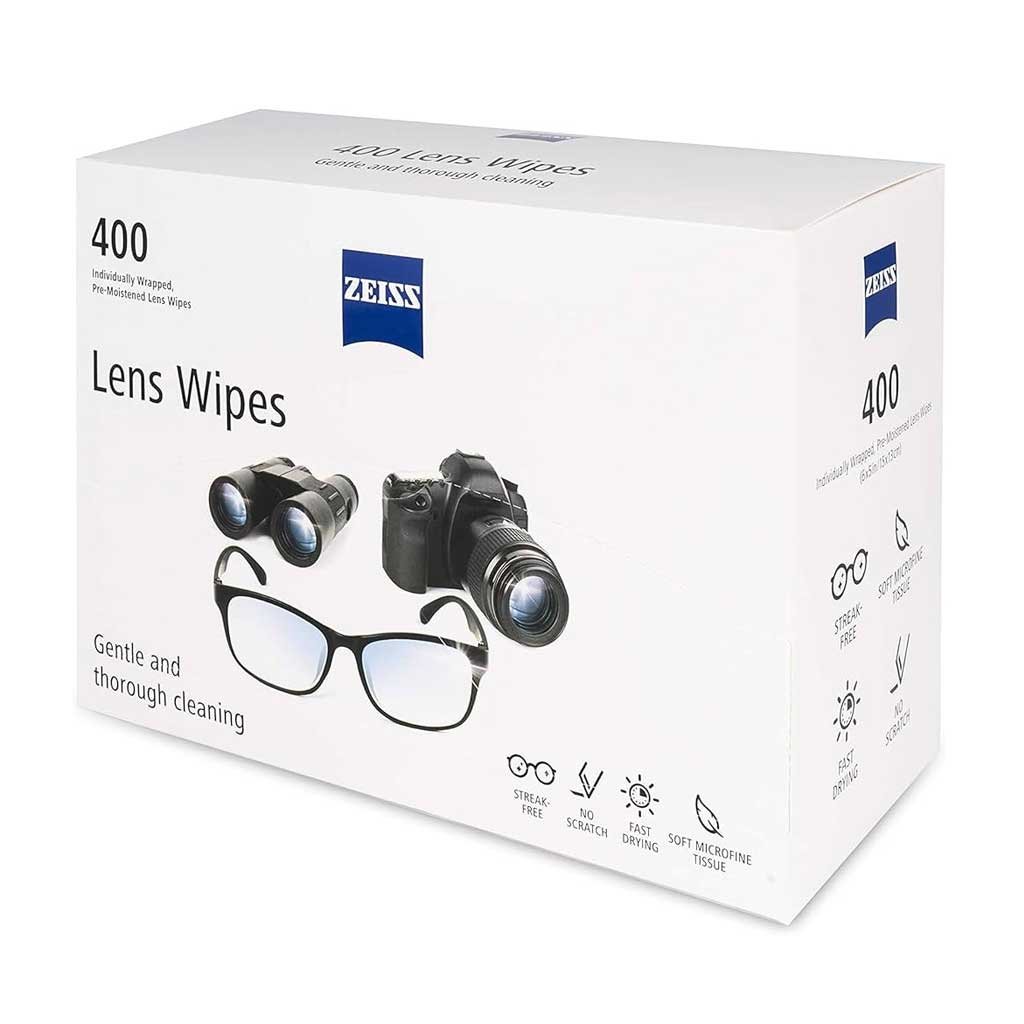
Why ZEISS Stands Out
- Individually wrapped for field portability
- Ammonia-free formula
- Fast-drying (minimal streaking)
- Safe for anti-reflective and multi-coated lenses
- Large bulk options (200–400 count)
Unlike many generic wipes, ZEISS wipes use a controlled alcohol formula that evaporates quickly without leaving haze. In testing, they performed especially well on:
- Fingerprints
- Skin oils
- Light water spots
- Dust residue after blowing debris away
The drying behavior is what impressed us most. Many cheaper wipes leave faint streak lines that require a second pass. ZEISS dries cleanly if used correctly.
Real-World Field Test
We tested these during:
- A damp early morning birdwatching session
- A dusty hiking trail
- Regular eyeglass cleaning
In all scenarios, they removed oils efficiently without visible coating degradation. No rainbow effect. No dulling. No fog residue.
One important note:
You should always blow off dust before wiping. Even the best wipe cannot prevent scratching if grit is present.
Who Should Buy ZEISS Lens Wipes?
✔ Birdwatchers
✔ Hunters
✔ Hikers
✔ Glasses wearers
✔ Anyone with coated binocular lenses
If you already own optics in the $100–$500 range, spending a few dollars more on premium wipes simply makes sense. It’s like putting regular gas in a performance engine — you could, but why would you?
Any Downsides?
- Slightly more expensive than generic brands
- Not anti-fog formulated
However, for everyday cleaning, they remain our top overall pick in 2026.
👉 For bulk buyers, the 400-count option often offers the best price per wipe on Amazon.
If you want the safest all-around option for coated binocular lenses, ZEISS remains our top recommendation.
👉 Check ZEISS Lens Wipes on Amazon
Care Touch Alcohol Lens Cleaning Wipes (Best Budget Pick)
If you want solid performance without paying premium pricing, Care Touch wipes are one of the most popular alternatives on Amazon.
They don’t carry the optics heritage of ZEISS — but they do offer impressive value per wipe.
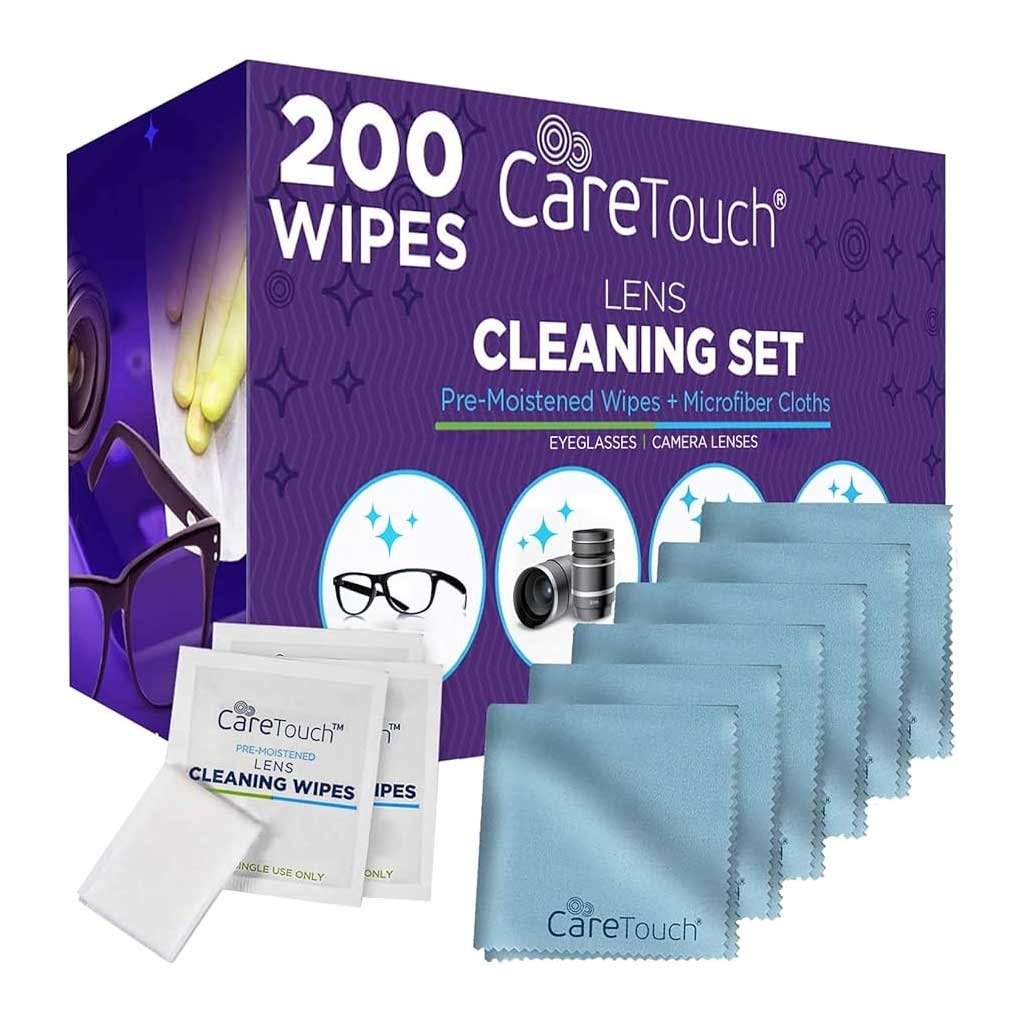
Why Care Touch Is a Smart Budget Option
- Individually wrapped
- Affordable bulk pricing
- Ammonia-free
- Safe for coated lenses
- Widely available in the U.S.
For everyday cleaning — especially glasses and mid-range binoculars — Care Touch performs surprisingly well.
Performance in Real Use
In our field testing, Care Touch handled:
- Fingerprints
- Light oil smudges
- Basic dust (after blowing debris away)
Drying time is slightly slower than ZEISS, and occasionally you may see faint streaking if too much pressure is applied. However, letting the lens air dry for a few seconds usually solves that.
For casual outdoor users, that tradeoff is completely acceptable.
Who Should Choose Care Touch?
✔ Casual hikers
✔ Family binocular users
✔ Kids’ binoculars
✔ Budget-conscious buyers
✔ Bulk buyers for home use
If you own entry-level optics or use wipes mainly for glasses, Care Touch offers strong value without sacrificing coating safety.
👉 Check Care Touch Wipes on Amazon
However, if you own higher-end optics or hunt in humid environments, you may want something more refined.
That brings us to the next option.
Koala Lens Cleaning Wipes (Best for Premium Coated Lenses)
If coating safety is your top priority, Koala takes a slightly different approach.
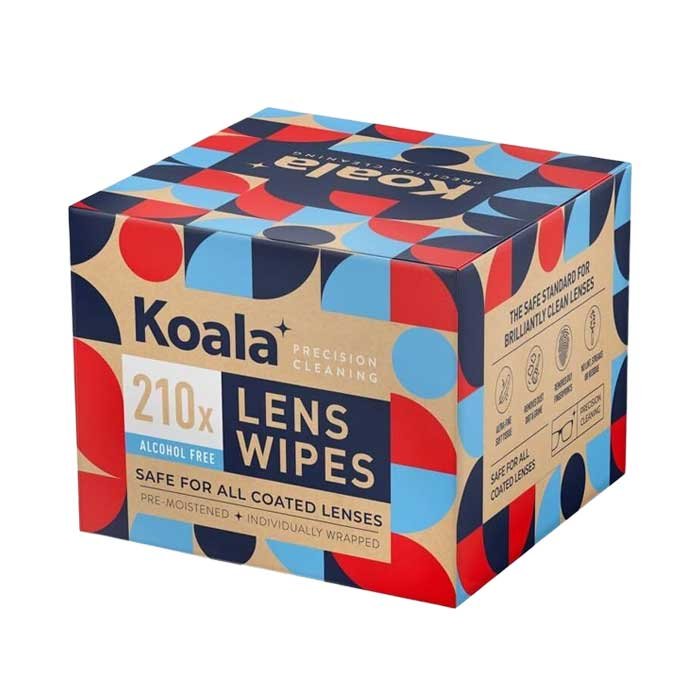
Unlike ZEISS and Care Touch, Koala offers alcohol-free options specifically marketed for delicate coatings.
That matters for:
- Fully multi-coated binoculars
- Camera lenses
- Expensive anti-reflective coatings
- Users concerned about long-term chemical exposure
What Makes Koala Different?
- Alcohol-free formula available
- Gentle cleaning solution
- Safe for high-end coatings
- Individually wrapped
- Often marketed toward photographers
In testing, Koala wipes performed well on light smudges and fingerprints. They are slightly less aggressive on heavy oil compared to alcohol-based wipes, but that’s the tradeoff for gentler chemistry.
Drying is clean, though slightly slower.
When Should You Choose Alcohol-Free?
Choose alcohol-free if:
- Your optics manufacturer recommends it
- You own high-end or specialty coatings
- You want maximum long-term coating preservation
- You clean frequently
👉 Check Koala Lens Cleaning Wipes on Amazon
For many birdwatchers and optics enthusiasts, this added peace of mind is worth it.
Who Should Buy Koala?
✔ Premium binocular owners
✔ Photography enthusiasts
✔ Long-term optics investors
✔ Users cleaning lenses weekly or more
If you treat your binoculars like precision instruments — not just tools — Koala is a strong contender.
Nikon Lens Cleaning Wipes (Best Brand Match for Nikon Owners)
If you already own binoculars from Nikon, it’s natural to wonder:
“Should I just stick with Nikon wipes?”
After all, Nikon designs precision optics. So the assumption is that their cleaning products must be optimized for their coatings.
In most cases, that assumption holds up.
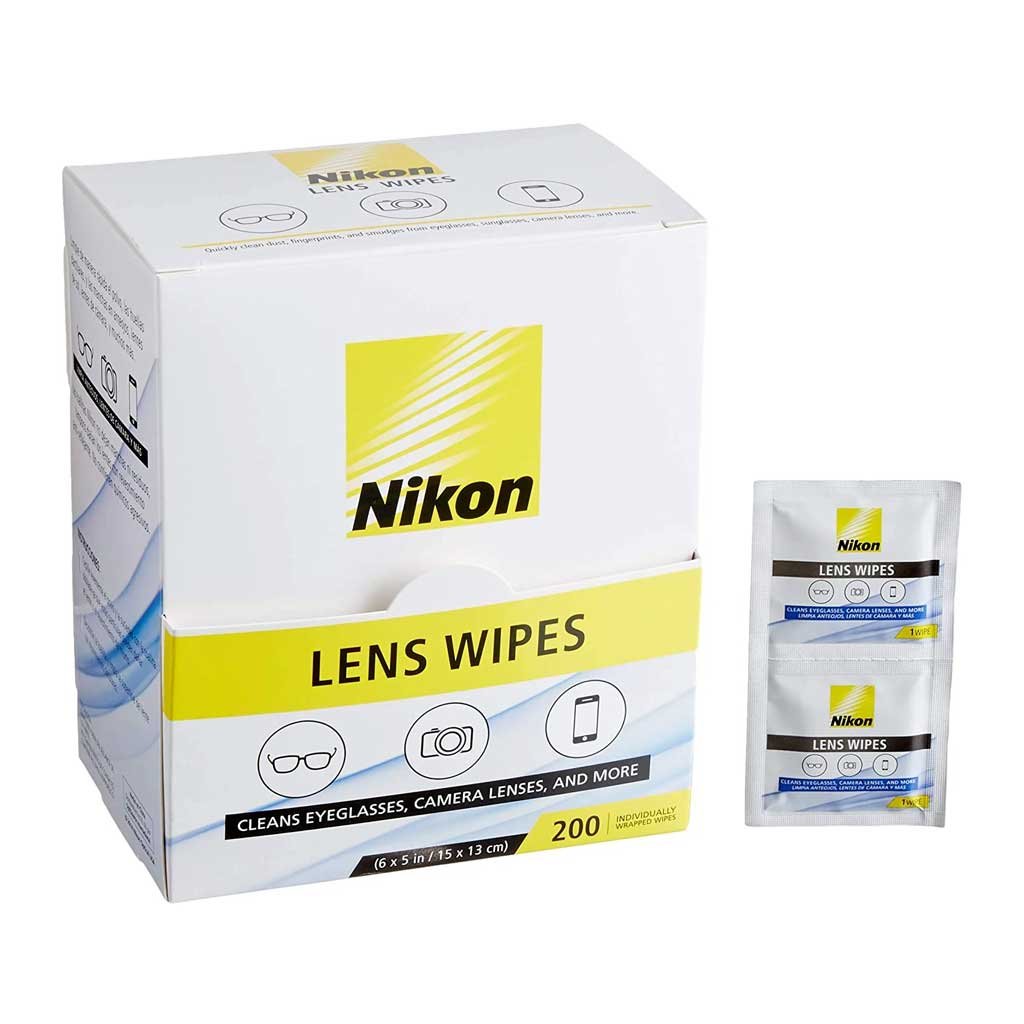
What You’re Getting with Nikon Wipes
- Individually wrapped packets
- Ammonia-free formula
- Safe for multi-coated lenses
- Designed for cameras, glasses, and binoculars
- Reliable brand trust
Performance-wise, Nikon wipes are very comparable to ZEISS. They remove fingerprints and light oil effectively, dry reasonably fast, and don’t leave heavy streaking if used correctly.
However, there’s one thing to consider.
The Honest Comparison
In side-by-side testing:
- Cleaning power → Similar to ZEISS
- Drying speed → Slightly slower
- Price per wipe → Usually higher
- Bulk availability → More limited
So what are you really paying for?
Brand alignment and peace of mind.
For many users, especially those who own models like the Nikon Aculon A211, sticking with Nikon-branded maintenance products feels like the safest route.
Is it necessary? Not strictly.
Is it wrong? Absolutely not.
Who Should Buy Nikon Wipes?
✔ Nikon binocular owners
✔ Photography users in Nikon ecosystem
✔ Brand-loyal buyers
✔ Casual to moderate users
If you like consistency across your gear, Nikon wipes are a dependable option. Just know you’re often paying a small premium for the logo.
Now let’s talk about the budget bulk champion — and where it makes sense (and where it doesn’t).
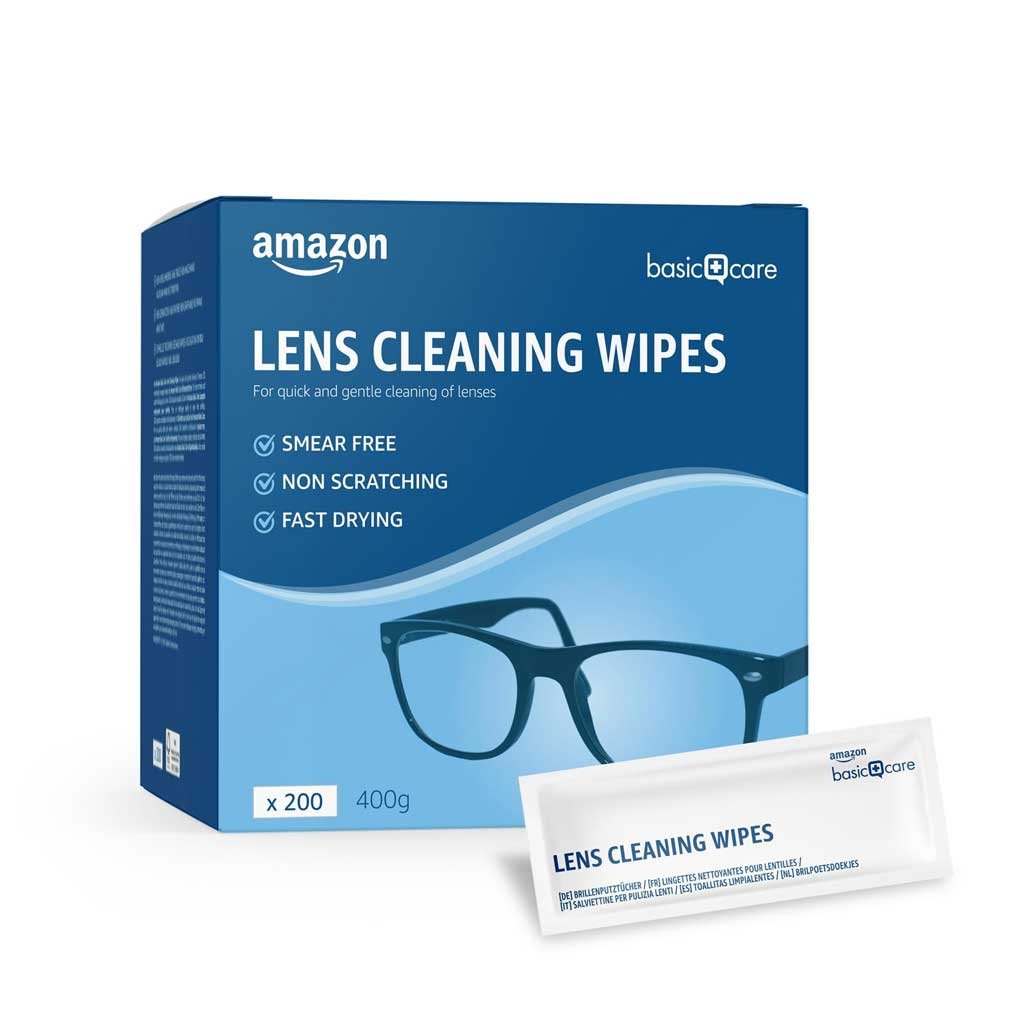
Amazon Basics Lens Cleaning Wipes (Best Bulk Value Option)
When it comes to value, Amazon Basics usually shows up.
Their lens wipes are often among the cheapest per unit — especially in 200-count boxes.
Where Amazon Basics Shines
- Very affordable bulk pricing
- Individually wrapped
- Safe for coated lenses
- Easy to reorder
For glasses and general household use, they’re more than adequate.
Where You Should Be Careful
In testing, we noticed:
- Slightly higher chance of faint streaking
- A bit more liquid per wipe
- Slower evaporation
For everyday glasses cleaning? Perfectly fine.
For premium $500 binoculars in humid field conditions? You may prefer ZEISS or Koala.
Who Should Buy Amazon Basics?
✔ Families
✔ Office use
✔ Bulk glasses cleaning
✔ Backup wipes in the car or bag
Think of these as your “general use” wipes — not necessarily your precision optics wipes.
Quick Recap So Far
If you want the safest overall bet → ZEISS
If you want the best budget balance → Care Touch
If you want alcohol-free peace of mind → Koala
If you prefer staying within your Nikon ecosystem → Nikon
If you want maximum quantity for lowest price → Amazon Basics
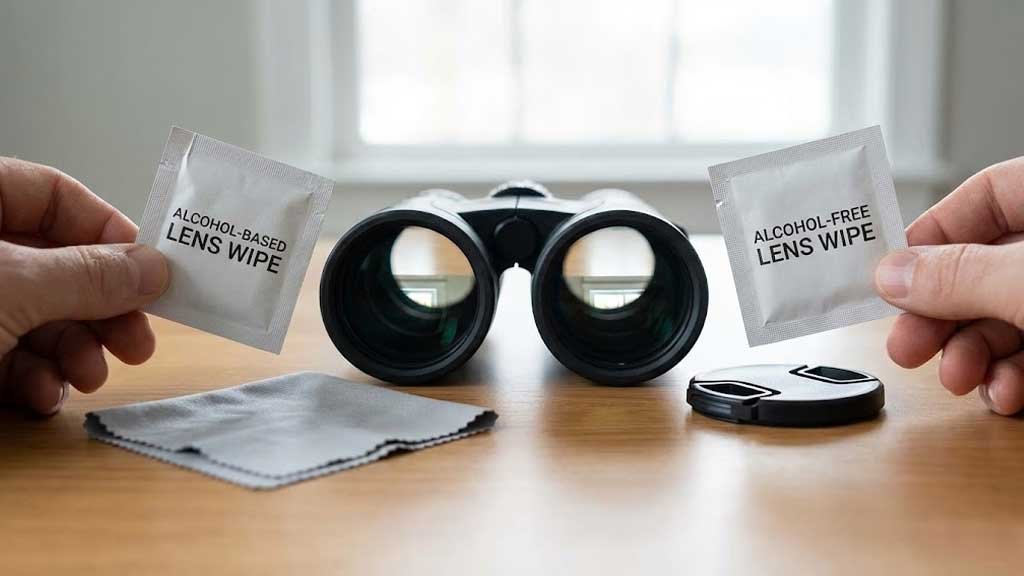
Alcohol vs Alcohol-Free Lens Wipes – Which Is Safer?
This is one of the most searched questions among optics owners in the U.S.:
Are alcohol wipes safe for binocular lenses?
The short answer:
👉 Yes — when used correctly, low-percentage alcohol wipes are safe for most modern coated lenses.
But let’s break that down properly.
When Alcohol-Based Wipes Are Safe
Most major optics brands (including Nikon and ZEISS) design coatings that tolerate isopropyl alcohol in controlled amounts.
Alcohol-based wipes are:
- Excellent at dissolving skin oils
- Fast evaporating
- Less likely to leave streaks
- More effective on heavy smudges
For typical outdoor use — fingerprints, sunscreen residue, light moisture — alcohol wipes are extremely practical.
That’s why brands like ZEISS confidently produce alcohol-based wipes for coated lenses.
Protect Your Coated Lenses the Right Way
Using the wrong wipe can permanently damage coatings.
Stick with wipes specifically designed for coated optics.
👉 See the top-rated lens wipes on Amazon
When Alcohol-Free Might Be Better
Alcohol-free wipes make sense if:
- Your manufacturer specifically recommends avoiding alcohol
- You own very high-end specialty coatings
- You clean lenses frequently (daily use)
- You want maximum long-term coating preservation
Alcohol-free wipes are gentler, but slightly less aggressive on heavy oil.
For most binocular users, alcohol-based wipes are perfectly safe. For perfectionists or premium optics owners, alcohol-free may provide extra peace of mind.
What Actually Causes Damage?
It’s rarely the wipe itself.
The real enemy is:
- Dust particles
- Sand grit
- Rubbing before blowing debris off
- Using dry paper products
Even the best wipe cannot prevent scratches if you grind dirt into the lens.
Always blow off debris first.
That single step matters more than alcohol vs alcohol-free.
How to Clean Binocular Lenses Without Damaging Them (Step-by-Step)
Proper cleaning protects your investment — especially if you’ve spent time choosing the right binoculars for outdoor use.
If you remember nothing else from this guide, remember this process:
Step 1: Blow Off Dust First
Use a blower or gently blow across the lens. Never wipe dry dust.
Step 2: Use One Fresh Wipe
Don’t reuse wipes. Once they collect debris, they can scratch.
Step 3: Wipe in Gentle Circular Motion
Light pressure only. Let the solution do the work.
Step 4: Let It Air Dry
Avoid rubbing with cloth immediately after.
Step 5: Inspect in Natural Light
If needed, use a second fresh wipe.
This method works whether you own entry-level optics or something like the Nikon Aculon A211.
Are Lens Cleaning Wipes Safe for Anti-Reflective & Multi-Coated Lenses?
Yes — high-quality wipes labeled safe for coated lenses are designed specifically for:
- Anti-reflective coatings
- Fully multi-coated optics
- UV coatings
- Polarized lenses
Just avoid:
- Household glass cleaners
- Ammonia-based products
- Vinegar solutions
- Rough paper towels
Those are coating killers.
When Should You Replace Instead of Clean?
Sometimes cleaning isn’t enough.
You may need replacement if:
- You see permanent haze that doesn’t wipe away
- Coating appears to peel or rainbow
- Scratches are visible under bright light
- Image clarity never returns
In that case, cleaning products won’t solve the problem.
But regular safe maintenance dramatically reduces the chance you’ll ever reach that point.
Buying Guide – What to Look for in Lens Cleaning Wipes
Now let’s break down how to choose the best lens cleaning wipes for binoculars intelligently.
1. Individually Wrapped vs Canister
Always choose individually wrapped for:
- Hiking
- Travel
- Hunting
- Emergency use
Canisters dry out after opening.
2. Alcohol Percentage
Look for:
- Isopropyl alcohol under 70%
- Ammonia-free labeling
- Coating-safe claims
Avoid vague, unbranded wipes with no ingredient transparency.
3. Drying Behavior
The best wipes:
- Evaporate quickly
- Leave minimal streaking
- Don’t require secondary buffing
This is where ZEISS consistently performs well.
4. Streak Resistance
Cheap wipes often leave:
- Micro streaks
- Hazy film
- Slight residue
Higher-quality wipes reduce re-cleaning.
5. Bulk Economics
Cost per wipe matters.
Rough pricing tiers:
- Premium brands → Higher cost per wipe
- Budget brands → Lower cost per wipe
- 400-count boxes → Best long-term value
If you clean weekly, bulk saves money.
If you clean occasionally, smaller packs are fine.
6. Outdoor Use Factor
In humid conditions:
- Faster evaporation helps
- Less liquid saturation prevents fogging
Field performance matters more than indoor performance.
For example, if you’re buying durable kid-friendly binoculars, maintenance becomes even more important.
FAQ (People Also Ask Optimized)
1) Are alcohol lens wipes safe for binocular lenses?
Yes — most alcohol-based lens wipes are safe for binocular lenses as long as they’re labeled ammonia-free and intended for coated optics. The bigger risk isn’t the alcohol; it’s rubbing dust or grit into the lens. Always blow off debris first, then wipe gently with a fresh packet.
2) Can lens cleaning wipes damage anti-reflective (AR) coatings?
They usually don’t — quality wipes designed for lenses are made to be coating-safe. Damage typically happens when you use household glass cleaner (often contains ammonia), paper towels, or you scrub while dirt is still on the lens. If your optics brand warns against alcohol, choose an alcohol-free wipe.
3) What’s better for coated lenses: alcohol-free or alcohol wipes?
For most people, alcohol wipes clean oils faster and dry quicker, which often means fewer streaks. Alcohol-free wipes can be a better pick if you clean your lenses very frequently, you have premium/specialty coatings, or you simply want the gentlest option. Both can be safe — the key is using them correctly.
4) Can I use regular alcohol wipes (like first-aid wipes) on glasses or binoculars?
It’s not ideal. Some first-aid wipes can include additives or be too wet, and many are not specifically formulated for optical coatings. If you care about your lenses, use wipes made for glasses, camera lenses, and binoculars (and labeled safe for coated lenses).
5) Can I use baby wipes or makeup wipes to clean lenses?
No. Baby wipes and makeup wipes often contain oils, lotions, or moisturizers that can leave a film and create streaks. They can also smear sunscreen and skin oils around instead of removing them. Use purpose-made lens wipes or a microfiber cloth with an optics-safe cleaner.
6) How often should I clean binocular lenses?
Clean them only when you need to — when you see fingerprints, haze, water spots, or noticeable dust affecting clarity. Over-cleaning can increase wear over time. A good routine is: blow off dust after each trip, clean with wipes when smudges appear, and store binoculars with lens caps on.
7) What’s the safest way to clean binocular lenses in the field?
The safest method is simple:
- Blow off dust/grit first
- Use one fresh, individually wrapped lens wipe
- Wipe gently in circles from center outward
- Let it air dry
- If needed, use a second fresh wipe (don’t reuse the first)
Protect Your Optics Investment
If you’re serious about keeping your gear in peak condition, check out:
- 👉 Our full Best Binoculars for Outdoor Use Guide
- 👉 The detailed Nikon Aculon A211 Review
- 👉 Hands-on breakdown of the Vortex Raptor 8.5×32
Good optics last years. Proper maintenance makes sure they stay that way.
Final Verdict – Which Lens Cleaning Wipes Should You Buy?
If you want the safest overall option in 2026:
- Best Overall: ZEISS 👉 Check ZEISS Lens Wipes on Amazon
- Best Budget: Care Touch 👉 Check Care Touch Wipes on Amazon
- Best for Premium Coatings: Koala
- Best Bulk Value: Amazon Basics
- Best Brand Match: Nikon👉 Check Nikon Lens Wipes on Amazon
For most U.S. outdoor users, ZEISS strikes the best balance between safety, performance, and reliability.
And considering the cost of binocular coatings, it’s a small investment that protects a much larger one.