



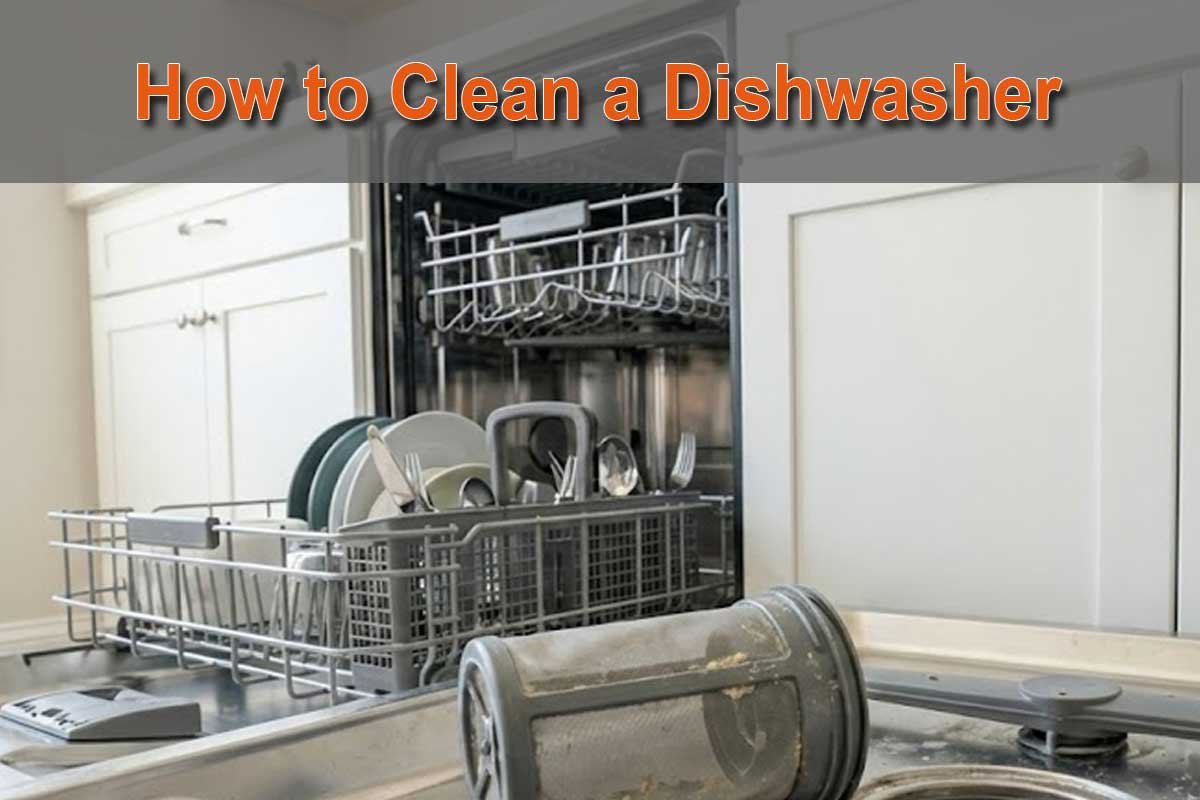
How to clean a dishwasher is one of those questions many people ask only after something starts going wrong. Dishes come out cloudy, there’s a lingering smell when you open the door, or food residue seems to stick around no matter how hot the cycle is. The surprising part? In most cases, the dishwasher itself is the problem—not the detergent, not the cycle, and not the way you load it.
A dishwasher cleans dirty dishes, but it doesn’t clean itself automatically. Over time, grease, food particles, mineral deposits, and soap residue build up in places you rarely see: inside the filter, along the spray arms, around the door seals, and deep in the drain area. When that buildup reaches a certain point, cleaning performance drops fast.
The good news is that most dishwasher cleaning issues are easy to fix. You don’t need special tools, harsh chemicals, or a service call. What you do need is to know where to clean, how often, and what to avoid, because some popular “cleaning hacks” actually cause more harm than good.
In this guide, you’ll learn how to clean a dishwasher properly, step by step. We’ll focus on the parts that matter most—filters, spray arms, and hidden buildup that causes odors and poor results. Whether your dishwasher is brand new or several years old, these steps will help restore performance, improve hygiene, and extend the life of the appliance.
Why Cleaning Your Dishwasher Matters
A dishwasher that looks clean on the inside can still be hiding serious buildup in critical areas. This buildup doesn’t just affect cleanliness—it directly impacts how well the machine works and how long it lasts.
Buildup You Don’t See
Most dishwasher problems start in places you rarely check. Food particles settle into the filter. Grease coats the inside of spray arms. Mineral deposits form around seals and in the drain area. Because these parts are out of sight, it’s easy to assume everything is fine.
Over time, that hidden buildup restricts water flow, reduces spray pressure, and traps bacteria. Even a thin layer of residue can interfere with how effectively water reaches your dishes. The dishwasher keeps running, but it’s no longer cleaning the way it should.
How Dirty Dishwashers Affect Cleaning Results
When internal parts are clogged or coated with residue, the dishwasher compensates by running longer cycles or working harder to maintain temperature and pressure. The result is often disappointing: cloudy glassware, gritty plates, and dishes that still smell faintly of food.
Many people respond by switching detergents or using hotter cycles. In reality, the real issue is mechanical. If water can’t circulate freely or drain properly, no detergent can fix that.
Many of these issues start with neglected maintenance—our step-by-step guide on how to deep clean a dishwasher covers the basics most people miss.
Odors, Residue, and Bacteria Explained
Bad smells are one of the clearest signs that a dishwasher needs cleaning. Trapped food debris and grease create a warm, moist environment where bacteria thrive. That’s why odors tend to get worse when the dishwasher hasn’t been used for a few days.
Regular cleaning removes the source of those smells instead of masking them. It also helps prevent residue from redepositing onto dishes, which is a common cause of cloudy glasses and streaks.
If you’re curious about what’s happening inside the machine during a wash cycle, this guide on how dishwashers work explains the systems that cleaning directly affects.
How Often Should You Clean a Dishwasher?
There’s no single schedule that works for every household, but most dishwashers need some level of cleaning more often than people expect.
For light use—one or two loads per week—a basic internal cleaning once a month is usually enough. This includes checking the filter and running a cleaning cycle if needed.
For average households that run the dishwasher several times a week, filters should be checked monthly and deeper cleaning done every two to three months.
For large families or heavy use, especially if dishes are loaded with food residue, filters may need attention every few weeks. In these homes, buildup forms faster simply because more debris passes through the system.
Apartment living also plays a role. Shared plumbing, older drain setups, and harder water can increase residue and mineral buildup, even with moderate use.
A good rule of thumb is simple: if you notice smells, cloudy dishes, or water pooling at the bottom, it’s time to clean—regardless of the calendar.
How to Clean a Dishwasher Filter (Step-by-Step)
If there’s one part of the dishwasher that affects cleaning performance more than any other, it’s the filter. A dirty filter blocks water flow, traps food debris, and creates odors—no matter how good your detergent is or how hot the cycle runs.
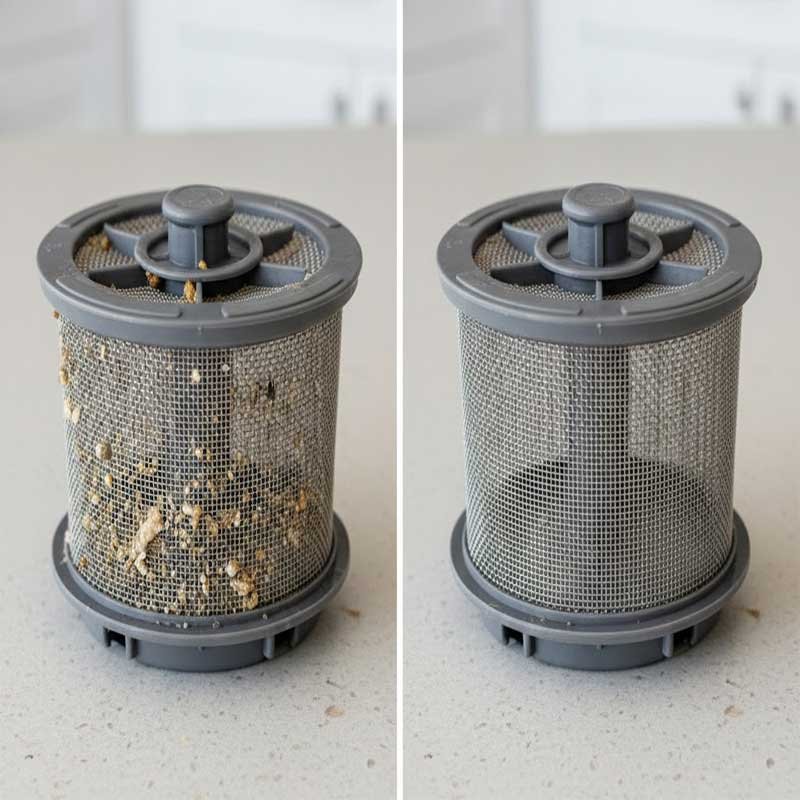
The good news is that cleaning a dishwasher filter is simple, fast, and doesn’t require tools. Most people just don’t know where to look or what to avoid.
Where to Find the Dishwasher Filter
On most modern dishwashers, the filter is located at the bottom of the tub, beneath the lower spray arm. You’ll usually see a round or cylindrical component that twists or lifts out.
In many U.S. models:
- the filter is clearly visible once you remove the bottom rack
- it consists of two parts: a coarse outer filter and a finer mesh filter
If your dishwasher is older, it may use a self-cleaning filter instead. Those models still benefit from periodic inspection, especially if you notice food debris or standing water.
Before removing anything, make sure the dishwasher is turned off and cool.
How to Remove and Clean the Filter
Start by pulling out the lower rack to give yourself clear access to the bottom of the dishwasher.
- Unlock the filter
Most filters twist counterclockwise to release. Lift it straight out once it’s loose. - Separate the filter parts
If your filter has multiple sections, take them apart carefully so you can clean each piece thoroughly. - Rinse under warm running water
Hold the filter under the faucet and gently remove food particles and grease. Use your fingers or a soft brush if needed. - Soak for stubborn buildup
If grease or residue doesn’t rinse away, soak the filter in warm water with a small amount of dish soap for 10–15 minutes. - Inspect before reinstalling
Make sure all mesh areas are clear and free of debris. Any blockage left behind will reduce performance.
Once clean, reassemble the filter and lock it back into place securely. A loose filter can cause noise, poor drainage, or recurring error codes.
What NOT to Use on Dishwasher Filters
This step is just as important as cleaning itself.
Avoid:
- wire brushes or abrasive pads
- bleach or harsh chemical cleaners
- very hot water that can warp plastic components
A damaged filter won’t trap debris properly and can allow food particles to reach the drain pump. That often leads to drain errors or expensive repairs down the line.
If a filter is cracked, warped, or no longer fits securely, replacement is the better option.
How Often Should You Clean the Filter?
For most households, checking the filter once a month is enough. If you regularly load dishes with heavy food residue, or if you notice odors or slow drainage, inspect it more often.
A clean filter keeps water flowing freely, improves spray pressure, and prevents many of the problems people mistake for “dishwasher failure.”
How to Clean Dishwasher Spray Arms
Spray arms are responsible for distributing hot water throughout the dishwasher. When they’re clean, water reaches every corner of the rack. When they’re clogged, even the best detergent can’t do its job.
Many people never think to clean the spray arms, yet this is one of the most common reasons dishes come out with stuck-on food or a gritty residue.
Signs the Spray Arms Are Clogged
Clogged spray arms don’t always stop the dishwasher from running—but they do reduce cleaning power.
Common warning signs include:
- food residue left on the upper rack
- glasses that look dull or spotted
- dishes that seem clean in some areas but dirty in others
- unusual noises during the wash cycle
If water can’t spray evenly, the dishwasher may also run longer cycles to compensate, using more energy with worse results.
Removing and Soaking Spray Arms
Most dishwasher spray arms are designed to be removable without tools, though the process varies slightly by model.
In general:
- the lower spray arm lifts off or unlocks with a twist
- the upper spray arm may unscrew or detach from the rack
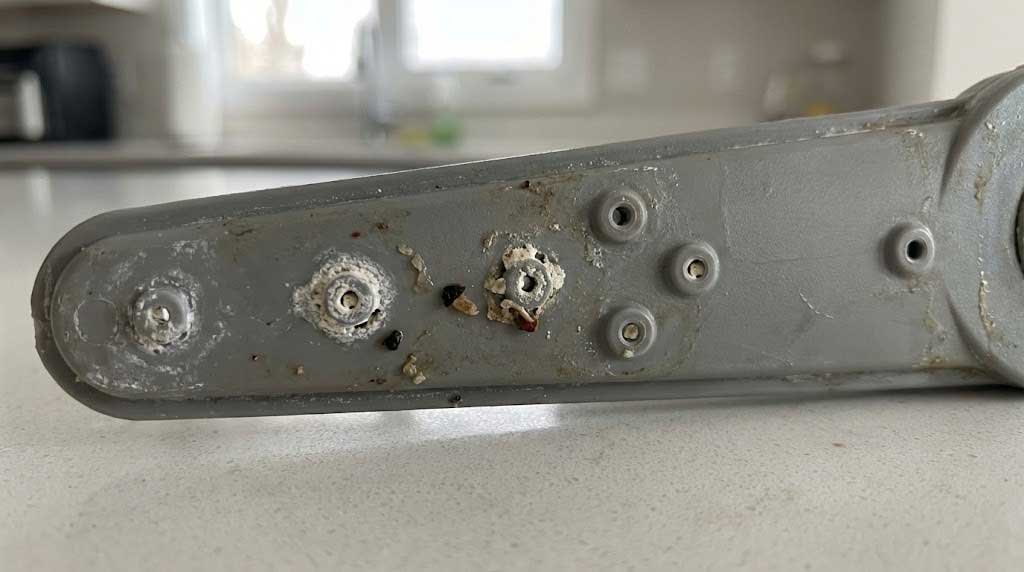
Once removed, inspect the small spray holes. These openings often collect mineral deposits, grease, and fine food particles.
To clean them effectively:
- Rinse the spray arms under warm water
- Soak them in warm water mixed with dish soap or white vinegar for 15–20 minutes
- Gently shake them to loosen debris trapped inside
Soaking helps dissolve buildup that rinsing alone can’t remove.
Clearing Spray Arm Nozzles Safely
After soaking, check each spray hole carefully.
If you see blockages:
- use a toothpick or wooden skewer
- flush the arm thoroughly with water
Avoid metal objects, which can enlarge or damage the spray holes. Even small changes to nozzle size can affect water pressure and spray pattern.
Before reinstalling, rotate the spray arms by hand to make sure they spin freely. Once reattached, run a short cycle to confirm proper movement.
Clean spray arms restore strong water circulation—often making an immediate difference in cleaning results.
Cleaning Hidden Buildup (Seals, Drain, and Interior)
Some of the worst dishwasher buildup hides in places you don’t normally see. These areas don’t get flushed as aggressively during normal cycles, which makes them magnets for grease, slime, and odors.
Cleaning them regularly prevents smells, drainage issues, and premature wear.
Door Gasket and Seals
The rubber seal around the door traps moisture, food particles, and detergent residue. Over time, this creates a sticky film that holds odors and bacteria.
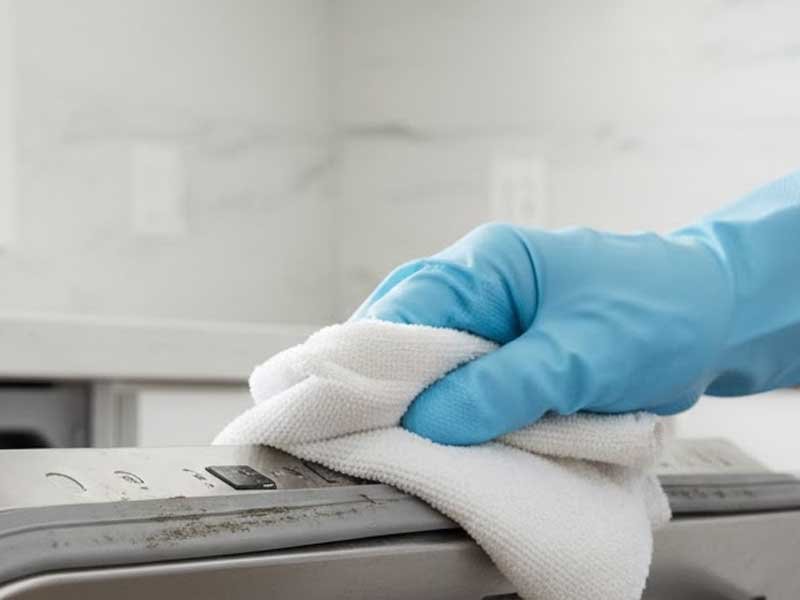
To clean it:
- wipe the gasket with a soft cloth
- use warm water and mild dish soap
- gently pull back folds to reach hidden creases
Avoid soaking the gasket or using harsh cleaners. Damaging the seal can lead to leaks and expensive repairs.
Drain Area and Sump
The drain area sits directly beneath the filter and is responsible for moving dirty water out of the dishwasher.
After removing the filter:
- check for food debris or sludge
- wipe the area with a damp cloth
- remove any visible buildup carefully
Standing water or thick residue here often explains slow drainage or recurring drain-related error codes.
Never reach into the drain area with sharp tools or your bare hand if visibility is poor.
Interior Walls and Corners
Even stainless-steel interiors collect residue over time, especially in corners and along the bottom edges.
To clean the interior:
- wipe surfaces with a soft sponge or cloth
- focus on corners, seams, and low spots
- rinse thoroughly
This step removes lingering residue that contributes to odors and cloudy dishes, even when filters and spray arms are clean.
Why These Areas Matter
Hidden buildup doesn’t just smell bad—it interferes with drainage, encourages bacteria, and reduces overall efficiency. Cleaning these areas completes the job and keeps the dishwasher performing like it should.
Vinegar vs Baking Soda vs Dishwasher Cleaner: What Actually Works?
There’s no shortage of advice online about cleaning a dishwasher. Vinegar, baking soda, lemon peels, homemade mixes—some of it works, some of it doesn’t, and some can actually damage the appliance if used incorrectly.
Understanding what each option does helps you clean effectively without creating new problems.
Cleaning a Dishwasher With Vinegar
White vinegar is one of the most effective and safest cleaning agents for dishwashers when used correctly.
Vinegar works by:
- breaking down grease
- dissolving mineral deposits
- neutralizing odor-causing residue
How to use vinegar safely:
- place a dishwasher-safe cup filled with white vinegar on the top rack
- run a hot cycle with the dishwasher empty
- let the cycle finish completely
This method cleans internal surfaces, spray arms, and hard-to-reach areas without scrubbing.
When vinegar works best:
- mild odors
- light to moderate buildup
- routine maintenance cleaning
Using Baking Soda (When It Helps—and When It Doesn’t)
Baking soda is often recommended as a follow-up to vinegar, but it’s important to understand its limits.
Baking soda:
- helps neutralize odors
- provides light abrasion
- does not dissolve grease or mineral scale
If you choose to use it:
- sprinkle a small amount across the bottom of the tub
- run a short hot cycle
This can freshen the dishwasher, but it won’t replace filter or spray arm cleaning. Baking soda should be seen as a finishing step—not a deep clean.
Commercial Dishwasher Cleaners
Dishwasher cleaning products are designed specifically for internal components and are often recommended by manufacturers.
They’re effective for:
- heavy grease buildup
- hard water mineral scale
- long-term neglect
Most cleaners are used during an empty cycle, following the instructions on the package.
Pros:
- strong, targeted formulas
- minimal effort
Cons:
- cost over time
- unnecessary for routine monthly cleaning
For most households, vinegar handles regular maintenance just as well. Commercial cleaners are better reserved for deep cleaning every few months or when buildup is severe.
What About Bleach?
Bleach is often mentioned—but it’s rarely a good idea.
Bleach:
- can damage stainless steel interiors
- degrades rubber seals
- may react with detergent residue
Unless the manufacturer explicitly recommends it, bleach should be avoided.
The Bottom Line
- Vinegar → best all-around maintenance cleaner
- Baking soda → odor control, not deep cleaning
- Commercial cleaners → heavy buildup, occasional use
Choosing the right option prevents damage and delivers better results with less effort.
What NOT to Do When Cleaning a Dishwasher
Cleaning a dishwasher is simple—but a few common mistakes can turn routine maintenance into costly repairs.
Avoiding these mistakes is just as important as knowing what to clean.
Don’t Use Abrasive Tools or Harsh Scrubbers
Steel wool, hard brushes, and abrasive pads can:
- scratch stainless steel interiors
- damage protective coatings
- weaken plastic components
Once surfaces are scratched, residue and bacteria build up faster.
Don’t Pour Cleaning Chemicals Directly Into the Drain
Some people try to “flush” problems by pouring cleaners or chemicals directly into the drain.
This can:
- damage internal seals
- corrode components
- push debris deeper into the system
Cleaning should always be controlled and targeted—not forced.
Don’t Mix Cleaning Products
Mixing vinegar, bleach, or commercial cleaners can create dangerous chemical reactions or fumes.
Stick to one cleaning method per cycle and rinse thoroughly between treatments.
Don’t Ignore Manufacturer Guidelines
Dishwashers vary by brand and material. What’s safe for one model may not be safe for another.
If the manufacturer advises against certain products or methods, follow that guidance—especially for stainless steel interiors and rubber seals.
Don’t Assume Cleaning Fixes Everything
Cleaning solves many problems, but not all of them.
If you continue to see:
- standing water
- recurring error codes
- poor cleaning despite clean components
the issue may be mechanical rather than maintenance-related.
Ignoring those signs can lead to bigger failures later.
Signs Your Dishwasher Needs More Than Cleaning
Regular cleaning solves a surprising number of dishwasher problems. But there’s a point where maintenance alone isn’t enough. Knowing when you’ve crossed that line can save you time, frustration, and unnecessary wear on the appliance.
Here are the clearest signs that your dishwasher needs more than routine cleaning.
Persistent Odors That Keep Coming Back
If smells return quickly—even after cleaning the filter, spray arms, and seals—it usually means buildup isn’t the main issue.
Recurring odors may point to:
- internal drainage problems
- stagnant water in places you can’t reach
- failing seals or hoses
At this stage, repeated cleaning cycles won’t fix the root cause.
Standing Water After a Cycle
A small amount of moisture is normal, but standing water at the bottom of the tub is not.
If water remains after:
- cleaning the filter
- checking the drain area
- running an empty cycle
the problem may involve the drain pump, hose routing, or internal valves. Continued use can worsen the issue and trigger error codes.
Recurring Error Codes
Error codes that disappear after cleaning—but return shortly after—are a strong signal that something else is wrong.
Common examples include:
- repeated drain errors
- inlet or heating warnings
- leak detection alerts
These codes are designed to prevent damage. Ignoring them or resetting repeatedly can turn a manageable repair into a major failure.
If this sounds familiar, our guide on dishwasher error codes explains what those warnings usually mean and when to stop troubleshooting.
Poor Cleaning Even After Thorough Maintenance
When dishes still come out dirty despite:
- clean filters
- clear spray arms
- fresh detergent
the issue may be related to water circulation, heating performance, or internal components. At that point, cleaning has done all it can.
When to Consider Repair or Replacement
If your dishwasher shows multiple signs above—especially if it’s older—professional service or replacement is often the smarter choice. Modern models clean more efficiently, use less water, and are far quieter than older units.
FAQ – How to Clean a Dishwasher
Below are answers to the most common questions people ask about dishwasher cleaning. These cover everyday concerns and help clarify what really matters.
How often should I clean my dishwasher?
For most households, checking the filter monthly and doing a deeper cleaning every two to three months is enough. Heavy use or hard water may require more frequent cleaning.
Can I clean a dishwasher with vinegar only?
Yes. White vinegar is effective for routine cleaning and odor control when used correctly during an empty hot cycle. It works best for light to moderate buildup.
Is baking soda enough to clean a dishwasher?
Baking soda helps neutralize odors but doesn’t remove grease or mineral deposits. It works best as a follow-up step, not as a complete cleaning method.
Why does my dishwasher smell even after cleaning?
Persistent odors often come from drainage issues, trapped water, or internal components that cleaning can’t reach. In those cases, further inspection or service may be needed.
Can cleaning fix dishwasher error codes?
Sometimes. Drain- and buildup-related error codes may disappear after proper cleaning. If codes keep returning, the issue is likely mechanical rather than maintenance-related.
Is it safe to use bleach in a dishwasher?
Generally no. Bleach can damage stainless steel interiors and rubber seals unless the manufacturer explicitly approves its use.
Final Takeaway
Cleaning a dishwasher isn’t complicated—but it does need to be done correctly and consistently. Focusing on filters, spray arms, and hidden buildup restores performance, eliminates odors, and prevents many common problems.
When cleaning stops making a difference, that’s valuable information too. It tells you it’s time to stop scrubbing and start making a smarter decision about repair or replacement.